
So, you’ve probably seen those walls that go up a little higher than the roof on some buildings. Those are called parapet walls, and they’re more than just a design choice. They actually do a lot for a building, from making it look cooler to keeping things safe. We’re going to break down what these parapet walls are all about, how they’re built, and why they matter.
Key Takeaways
- Parapet walls add a nice look to buildings and can fit different architectural styles.
- They act as safety barriers, especially on rooftops, and can help stop fires from spreading.
- These walls can improve a building’s energy use by adding insulation and reducing heat loss.
- Common materials include brick, stone, and concrete, with various construction methods available.
- Regular checks and maintenance are important to keep parapet walls in good shape and prevent damage.
Understanding Parapet Wall Design
Aesthetic Enhancements Through Parapet Walls
Parapet walls are more than just functional extensions; they’re a key design element that can really change how a building looks. They add a finished touch to the roofline, giving structures a more complete and polished appearance. Think of them as the crown molding for your building. They can make a simple flat roof look intentional and sophisticated, or add a classic touch to older styles of architecture. The way a parapet is designed, from its height and shape to the materials used, significantly impacts the building’s overall visual appeal.
Architectural Styles and Parapet Integration
Different architectural styles use parapets in unique ways. In classical or Mediterranean designs, they might be low and decorative, perhaps with crenellations or ornate coping. Modern buildings might use taller, sleeker parapets to hide rooftop equipment or create a clean, minimalist look. They can also help define different sections of a building or create a sense of scale. For example, a taller parapet can make a building seem more imposing or grand.
Here’s a quick look at how parapets fit into different styles:
- Classical/Renaissance: Often lower, sometimes with decorative elements like balustrades or cornices.
- Modern/Contemporary: Taller, cleaner lines, used to conceal mechanicals or create a strong visual edge.
- Art Deco: Can feature geometric patterns or stepped designs.
- Mediterranean: Frequently incorporates terracotta coping or decorative tile work.
Decorative Elements for Parapet Walls
Beyond their basic form, parapets offer a great canvas for adding decorative touches. Coping stones on top are standard, but you can get creative with materials like stone, precast concrete, or even metal. Moldings, cornices, or even integrated lighting can be added to enhance their look. Sometimes, you’ll see parapets designed with specific patterns or textures, like the rugged look of a split face block wall, to add visual interest. They can also be a place to add artistic flair, though this is less common for standard residential or commercial buildings.
While the primary goal is often aesthetic, remember that any added decorative elements need to be properly installed and maintained to avoid issues like water intrusion or structural problems down the line.
The Functional Benefits of Parapet Walls
Parapet walls might look simple at first glance, but their real power is in the practical advantages they bring to any building. From safety to structure, these upright barriers along a roof’s edge are hard to beat. For folks living or working in buildings with flat roofs, parapets aren’t just decorative—they’re a big part of what helps a building last and function well, day in and day out.
Safety and Protection Provided by Parapet Walls
Parapet walls act as a buffer between building occupants and potential fall hazards at the edge of flat or accessible roofs. You might not think about it until you’re up there, but these walls are sometimes the only thing standing between a person and a dangerous drop. If you’ve ever seen roofers or HVAC techs working on a commercial building, you know how vital a sturdy parapet can be.
Other protective roles parapet walls play:
- They block wind gusts, making rooftop spaces safer and more comfortable for people.
- Help keep debris, tools, or rooftop equipment from tumbling over the edge.
- Offer a safer workspace during repairs or routine maintenance.
A well-built parapet wall can actually mean the difference between a safe work environment and a dangerous rooftop.
If you’re interested in how finishing techniques for parapet walls can further increase safety and durability, check out the importance of proper parapet finishing.
Structural Integrity and Parapet Walls
At first glance, it’s easy to overlook how much a parapet wall supports the building as a whole. But these walls actually work behind the scenes to reinforce roof and wall connections. Here’s what this looks like in practice:
- Distributing wind pressure: Instead of putting all the stress on the main roof and wall junctions, parapets help spread the load, especially during storms.
- Limiting water intrusion: They give an extra line of defense against rain by keeping water away from delicate roof edges and flashings.
- Buffering thermal and structural movements: Expansion, contraction, and building shifts happen less abruptly at the roof edge thanks to parapet stability.
| Benefit | How Parapet Walls Contribute |
|---|---|
| Wind load distribution | Slows and spreads strong gusts |
| Water protection | Limits edge exposure and leaks |
| Roof stability | Reduces movement and stress |
Fire Containment with Parapet Walls
It’s something many people don’t consider, but if a fire breaks out, a parapet wall can act like a barrier, slowing the spread from one part of a building to another. This delay is sometimes just enough for fire crews to get the upper hand—especially important in dense cities or row-house neighborhoods. Most building codes even factor in parapet wall height and construction to bolster fire safety.
- Slows lateral spread of flames across rooftops
- Reduces risk of sparks or embers reaching neighboring properties
- Can buy more time for evacuation during emergencies
Fire-resistant parapet walls, when built to code, become a quiet but crucial part of a building’s passive fire defense system.
These practical benefits aren’t just for show; parapet walls do some real heavy lifting when it comes to keeping buildings—and the people who use them—safer and more secure.
Energy Efficiency and Parapet Walls
Parapet walls aren’t just for looks—they also affect how well a building holds onto heat and shields itself from the elements. These small details add up over time, making a difference in comfort and energy bills. Whether you’re a homeowner or updating your Google Business Profile for property management, understanding how parapet walls work for you can help save money and energy.
Insulation Properties of Parapet Walls
Parapet walls serve as an extra layer between the inside of your building and the outdoors, slowing down the movement of heat.
- They create a buffer zone above the roof that helps blockade drafts and strong sunlight.
- Many parapet walls are built with layers of masonry or insulating materials that stop heat from leaking out during winter or creeping in during summer.
- When paired with well-insulated roofs and sealed joints, they make it much easier to keep the interior temperature steady.
| Parapet Feature | Typical Effect on Energy Efficiency |
|---|---|
| Double masonry layers | Reduces heat transfer |
| Vapor barrier included | Less moisture, better insulation |
| Reflective top coating | Lowers rooftop heat gain |
Even if insulation isn’t the first thing you think of when looking at a parapet wall, the right materials can play a part in keeping energy costs down and comfort up year-round.
Renewable Energy Integration with Parapet Walls
Parapet walls can play a surprising role in supporting modern energy solutions, especially renewable energy setups like solar or wind.
- These walls create a protected platform for installing solar panels, shielding them from wind or accidental falls.
- Higher parapets may disguise solar hardware and wiring, preserving curb appeal for both single homes and commercial buildings.
- Some properties have parapet walls strong enough to anchor small wind turbines, giving owners more room to use clean energy options.
Plus, if you’re listing solar-ready upgrades on your Google Business Profile, showing parapet wall features can be a real selling point for eco-conscious renters or buyers.
Reducing Heat Transfer with Parapet Walls
Parapet walls fight unwanted heat movement in and out of your building—a big deal in regions with hot summers or cold winters.
- The stone, brick, or concrete in these walls acts as a thermal mass, soaking up heat during the day and releasing it slowly at night.
- Parapet designs with waterproof membranes or drainage help avoid moisture problems that destroy insulation’s usefulness.
- Add a reflective or light-colored capstone, and you’re blocking even more sunlight and rooftop warming.
Here are a few quick tips for extra energy savings:
- Pick insulated or double-wythe parapet designs for extreme climates.
- Make sure flashing and seals are intact to prevent air leaks.
- If you’re ever in doubt, reach out to a pro, such as those at Casey Tuckpointing, who know both the construction and energy aspects.
In the end, parapet walls are a bit like unsung heroes—they quietly keep indoor temperatures in check, boost property value, and make future upgrades like solar easier to manage.
Materials and Construction of Parapet Walls
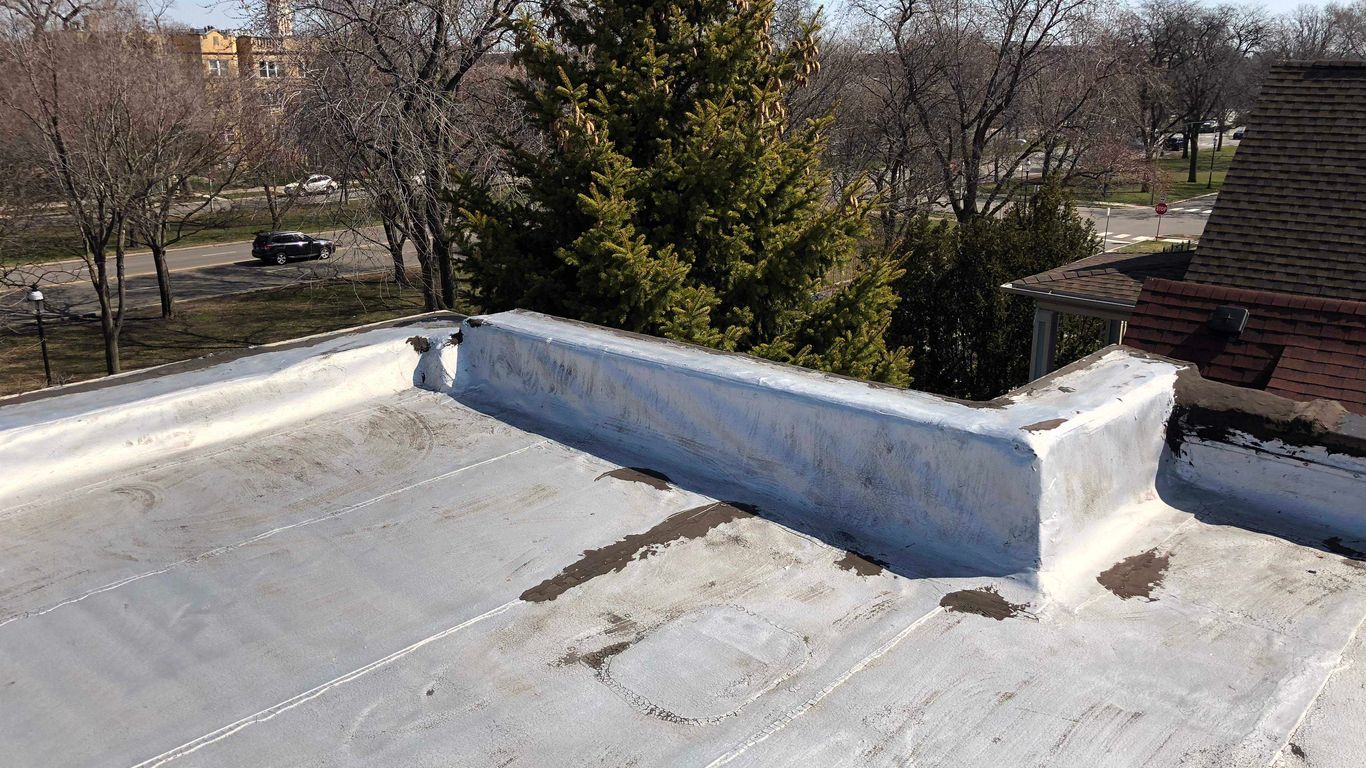
Parapet walls may look like simple extensions over the roof, but their build and the stuff they’re made from actually decide how they work and how long they last. People tend to overlook what’s behind that sturdy line above the roof—let’s break down what goes into a typical parapet wall, and why the details matter.
Common Materials for Parapet Walls
Different projects call for specific materials, picking the right one can make all the difference for weather resistance, strength, or even just style. Here’s a short comparison:
| Material | Typical Uses | Pros | Cons |
|---|---|---|---|
| Brick Masonry | Traditional homes | Readily available, classic look | Prone to cracks over time |
| Reinforced Concrete | Modern buildings | Durable, can shape as needed | Needs proper sealing |
| Stone | High-end/buildings | Lasts for ages, unique texture | Heavy, labor intensive |
| Metal Systems | Commercial/modern | Lightweight, sleek appearance | Can dent/corrode |
| Glass Panels | Contemporary/design | Bright, lets light through | Needs careful installation |
If you want flexibility in design and strong protection, concrete parapets are a top pick in many newer builds (concrete parapet walls). But brick and stone are still favorites for that old-school charm and reliability (parapet walls materials).
Construction Techniques for Parapet Walls
Getting the construction right isn’t just about stacking bricks or pouring concrete. Here’s how proper work holds everything together:
- Foundation Prep: Extend the wall starter from the main load-bearing wall—if you mess this up, settling or cracks can start at the first freeze/thaw.
- Reinforcement: Depending on height and length, steel rebar or masonry reinforcement keeps things from leaning or bulging after a severe storm.
- Weatherproofing: Installing proper caps (copings) and flashing diverts water. Skipping this leads to leaks or water stains on the inside.
- Finishing: Tuckpointing mortar joints and adding a waterproof coating stops weather damage, which is especially important with brick or stone.
- Inspection: Check for alignment and secure fixing of materials. If something is off, it’s easier to fix before it’s finished.
Parapet walls get their strength from what you don’t usually see—solid build techniques underneath, proper supports, and those little steps like flashing and capping that make them last.
Durability and Longevity of Parapet Walls
Longevity mostly comes down to regular upkeep and the material you picked in the first place. Here’s what really tips the balance:
- Brick and Stone: Can last a century when regularly repointed and sealed. Vulnerable at mortar joints—crumbling or water entry is a common issue.
- Reinforced Concrete: Handles weather, heat, and water well but should be checked for cracks or rust stains, especially after ten years.
- Metal or Glass: Needs periodic checking for loose seals, rust on fasteners, or cracks after strong wind events.
Simple steps for longer life:
- Inspect annually for cracks or loose mortar.
- Reseal or add weatherproof coatings every 5–10 years.
- Replace broken copings right away.
If a parapet starts to shift or the mortar crumbles, it’s best to get it looked at sooner rather than later. Neglecting repairs can lead to costly rebuilds later, especially if water infiltrates the wall or roof structure.
That’s the thing: you invest early in good materials and basic checkups, and those classic parapet lines can keep looking sharp (and standing strong) for decades.
Maintenance and Repair of Parapet Walls
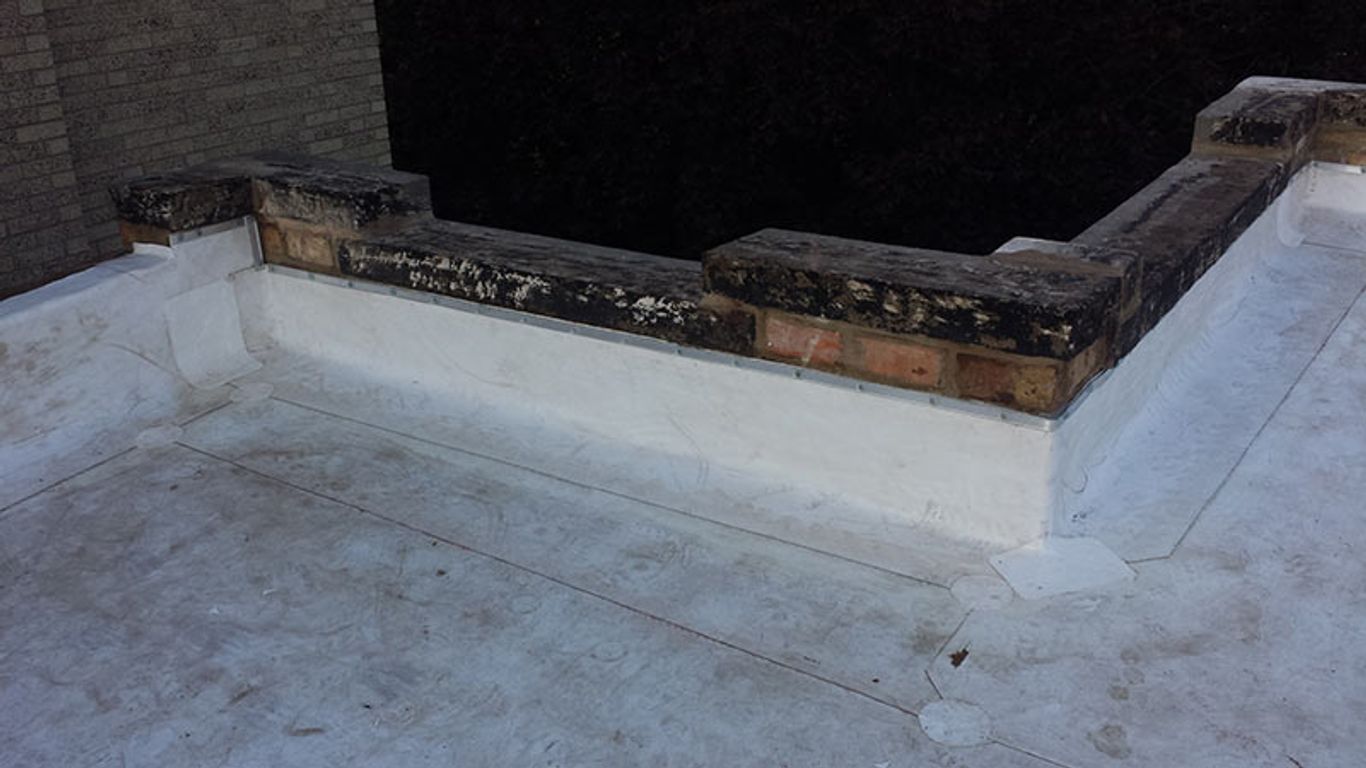
Proper upkeep is key to keeping parapet walls safe and looking good for years. Neglecting these rooftop features can lead to leaks, loose bricks, and a real hit to curb appeal. Let’s look at the common trouble signs, how to fix problems, and ways to avoid major issues in the first place.
Recognizing Signs of Parapet Wall Deterioration
Spotting issues early keeps repairs small and affordable. Here’s what you want to check for during your walkthrough:
- Cracks in the mortar joints (horizontal or stair-stepped)
- Loose or spalling bricks (bricks breaking apart or crumbling)
- Water stains or moss growing on the wall
- Bulging areas, which might suggest movement or water trapped inside
- Rust stains coming from steel lintels or embedded components
If you catch any of this, it’s worth taking action before things get worse. Moisture is a common enemy—anything that lets water in speeds up the damage.
If you see sections shifting, huge cracks, or loose masonry at the top edge, don’t wait. These aren’t cosmetic problems. They can lead to falling debris or even bigger headaches down the road.
Repairing Damaged Parapet Walls
Once you’ve found damage, picking the right fix is important. Here are general steps most professionals follow:
- Remove loose or broken bricks and old mortar.
- Inspect for hidden issues—sometimes, water damage goes deeper than you think.
- Replace missing bricks and repoint joints using a compatible mortar mix.
- Rebuild heavily damaged sections as needed, keeping the original look where possible.
- Apply waterproofing or flashing at the wall cap to keep rain out.
Some repairs, especially higher up on multi-story buildings, can be dangerous. If you’re unsure about safety, call an expert—there’s no shame in getting backup. For a closer look at repair methods and waterproofing techniques, see this parapet wall repair overview.
Common Parapet Wall Repairs Table
| Repair Type | Average Lifespan Before Next Repair | Safety Risk if Ignored |
|---|---|---|
| Simple repointing | 10–15 years | Moderate |
| Brick replacement | 15–25 years | High |
| Cap flashing installation | 20+ years | High (water intrusion) |
| Full section rebuild | 30+ years | Very High (collapse) |
Preventative Maintenance for Parapet Walls
Consistent care saves money and stress in the long run. Work these steps into your yearly routine:
- Schedule a visual inspection before winter and after heavy storms
- Clean debris from parapet capping and roof drains
- Make sure flashing and sealants on the wall top are intact
- Remove moss or plant growth before roots take hold
- Check for tiny cracks and fill them before freeze-thaw can make them bigger
In older brick or stone structures, or in cities known for harsh weather, preventive tasks are especially important. To get maintenance advice along with simple upkeep tips, look at these parapet wall maintenance strategies.
Staying proactive with minor fixes and waterproofing keeps bigger repairs at bay, extends your wall’s life, and helps avoid those surprise expenses that always come at the worst moment.
Keeping your parapet walls in good shape is super important for your building’s health. These walls sit on top of the main walls and need regular check-ups to make sure they’re strong and safe. If you notice any cracks or damage, it’s best to get them fixed right away before small problems become big ones. For expert help with your parapet walls, visit our website today!
Wrapping Up Parapet Walls
So, we’ve gone over what parapet walls are and why they matter. They’re not just some extra bit of wall sticking up; they really do a lot. From making a building look better and adding some style, to keeping people safe on the roof and even helping with energy bills, these walls are pretty handy. Whether you’re building something new or fixing up an old place, thinking about parapet walls is a good idea. They’re a solid part of making a building work well and look good, all at the same time.
Frequently Asked Questions
What exactly is a parapet wall and why do buildings have them?
A parapet wall is basically a short wall that sticks up above the edge of a roof or balcony. Think of it like a low fence for your roof. Buildings have them for a few reasons: they make the building look nicer by adding a finished edge, they can help keep people safe by stopping them from falling off the roof, and they can even help protect the building from wind and fire.
Can parapet walls make a building more energy-efficient?
Yes, they can! Because parapet walls go above the roof, they add an extra layer that can help keep heat inside during the winter and outside during the summer. This means your heating and cooling systems don’t have to work as hard, which can save energy and make your home more comfortable.
What materials are commonly used to build parapet walls?
Parapet walls can be built from many different things. Common choices include brick, stone, concrete blocks, and even metal. The material chosen often depends on the style of the building and what kind of look the architect or owner wants to achieve.
How do parapet walls help with safety?
The main safety benefit is preventing falls. If you’re on a roof or a high balcony, the parapet wall acts as a barrier, giving you something to lean on or stop you from accidentally stepping over the edge. They also help stop things like tools or debris from falling off the roof and hurting someone below.
Do parapet walls help stop fires from spreading?
They can! If a fire starts on one part of a building, a well-built parapet wall can act like a fire wall. It can help slow down or stop the flames from jumping to other sections of the roof or building, giving people more time to get out safely.
What are some common problems with parapet walls, and how are they fixed?
Over time, the mortar holding the bricks or stones together can crack or crumble, or parts of the wall might start to fall apart. Sometimes water can get in and cause damage. Fixing these issues usually involves ‘tuckpointing,’ which is where old, damaged mortar is scraped out and replaced with new mortar. If the damage is really bad, the wall might need to be taken down and rebuilt.