
Your home’s brickwork is a big part of its look and how solid it feels. Over time, things like weather and just plain age can take a toll. You might start seeing cracks, crumbling bits, or even bricks that look like they’re falling apart. This isn’t just about looks, though. It can actually affect how strong your house is and how well it holds up against the elements. That’s where expert brick repair comes in. It’s about fixing those issues to keep your home looking good and standing strong for years to come.
Key Takeaways
- Look for signs like cracked mortar, missing bits, or bricks that are crumbling. These are clear indicators that brick repair is needed.
- Professional brick repair uses specific methods and good materials to fix your walls right the first time, making them last.
- Fixing your brickwork doesn’t just make your house look better, it also adds to its value and curb appeal.
- Beyond just fixing, proper brick repair can help protect your home from water damage and even make it more energy efficient.
- When choosing someone for brick repair, look for experience and a contractor who knows their stuff about masonry work.
Understanding The Need For Brick Repair
Brick is a classic building material, and for good reason. It looks great and lasts a long time. But, like anything, it needs attention now and then. Ignoring small issues can turn into big, expensive problems down the road. It’s not just about looks, either; your brickwork is a key part of your home’s structure.
Recognizing Signs of Deterioration
So, how do you know if your brickwork is starting to show its age? Keep an eye out for a few common things. You might see cracks, not just in the bricks themselves, but more often in the mortar between them. Sometimes, the walls can start to bulge or lean out a bit, which is a definite red flag. Another sign is ‘efflorescence,’ which looks like a white, powdery residue on the surface of the bricks. This usually means moisture is getting trapped. And then there’s ‘spalling,’ where the surface of the brick starts to flake off. Catching these signs early is super important for keeping your home solid and looking good. If you spot any of these, it’s probably time to get a professional to take a look.
The Impact of Neglected Mortar Joints
Mortar is like the glue holding your brick walls together. When it starts to crumble or break away, it leaves gaps. These gaps aren’t just unsightly; they’re an open invitation for water to get in. Rain, snow, and even humidity can seep into these cracks. Once water gets in, it can freeze and expand in the winter, making the cracks even bigger. This constant cycle of wetting and drying, freezing and thawing, really wears down the mortar and can even damage the bricks themselves. Over time, this can weaken the entire wall structure. It’s a domino effect, really. A little bit of neglect in the mortar joints can lead to much larger structural issues if left unchecked. Learn to identify common signs of damage in your brickwork.
Why Professional Brick Repair Is Essential
Look, I get it. You might think, ‘How hard can it be to fix some crumbling mortar?’ And for a tiny spot, maybe you could manage. But brick repair is often more complicated than it looks. Professionals have the tools and the know-how to figure out why the mortar is failing in the first place. Is it just old age, or is there a bigger problem like foundation settling or water drainage issues? They also know how to mix the right kind of mortar that will bond properly and last. Using the wrong stuff can actually make things worse. Plus, they can match the color and texture of the existing mortar so the repairs blend in. Trying to DIY extensive repairs can sometimes lead to more damage, especially if you’re dealing with structural elements. It’s usually best to call in the pros to make sure the job is done right the first time. Cracked bricks often appear as stair-step fractures.
Comprehensive Brick Repair Services
When your home’s brickwork needs attention, it’s more than just a cosmetic issue. It’s about making sure your house stays strong and looks good for years to come. We get that, and that’s why our services are designed to be thorough and effective.
Expert Evaluation and Customized Plans
First things first, we don’t just jump into repairs. We start by taking a really close look at your brick walls. This means checking for cracks, crumbling mortar, and any signs of water damage or other problems that might not be obvious from a distance. After we’ve figured out exactly what’s going on, we create a plan that’s made just for your house. No cookie-cutter solutions here.
Time-Tested Techniques and Modern Advancements
We mix old-school masonry skills with newer methods. Think of it like this: we use the tried-and-true ways that masons have used for ages, but we also bring in modern materials and tools that make the repairs last longer and work better. This blend helps us fix things right, respecting the original build while making it stronger for the future. It’s about getting the best of both worlds.
Superior Materials for Lasting Results
Using the right stuff matters. We pick high-quality mortars and other materials that are made to work with your existing brick. This isn’t just about making it look good; it’s about making sure the repairs can handle the weather and time without falling apart. We want the work we do to hold up, so you don’t have to worry about it.
The goal is always to restore the integrity and appearance of your brickwork, making it as strong and beautiful as it was when it was first built. This involves careful attention to detail at every step of the process.
Here’s a quick look at what goes into our repair process:
- Detailed Inspection: We thoroughly examine your brickwork to pinpoint all issues.
- Material Selection: We choose the best mortars and bricks that match your existing structure.
- Skilled Application: Our masons apply repairs with precision and care.
- Quality Check: We review our work to make sure it meets our high standards.
We also pay close attention to details like mortar color matching. It’s a tricky part of the job, but getting it right makes a huge difference in how your home looks after the repairs. We want the new mortar to blend in so well, you might not even be able to tell where the old stopped and the new began. For more on how we handle specific issues like spalling bricks, we have dedicated resources.
Restoring Your Home’s Aesthetic Appeal
Brickwork is more than just a structural element; it’s a big part of your home’s character. Over time, though, even the best brick can start to look a little tired. Stains, dirt, and worn-out mortar can really take away from your home’s charm. That’s where professional services come in to bring back that original beauty.
Seamless Mortar Color Matching
Getting the mortar color just right is a tricky business. It’s not as simple as grabbing a pre-mixed bag. Our team pays close attention to the existing mortar, looking at its shade, texture, and even how it was originally applied. We work to match it as closely as possible, so any repairs blend in naturally. This attention to detail means your brickwork looks whole again, not patched up. We know that a good color match makes a huge difference in how your home looks from the street.
Replacing Damaged Bricks
Sometimes, individual bricks get damaged. Maybe they’re cracked, chipped, or have started to crumble. When this happens, we carefully remove the bad brick and replace it with a new one that looks like its neighbors. We try to find bricks that match the size, color, and age of the originals. It’s about making sure the repair doesn’t stand out in a bad way. For really old homes, finding an exact match can be a challenge, but we’re good at getting it as close as possible. This kind of repair helps keep the whole wall looking strong and attractive.
Enhancing Curb Appeal and Property Value
When your brickwork looks good, your whole house looks good. Clean, well-maintained brick makes a great first impression. It tells people you take care of your property. This boost in appearance, often called curb appeal, can actually make your home more attractive to potential buyers and might even increase its market value. It’s a smart investment in your home’s overall look and worth. Checking out reviews on a company’s [Google Business Profile](https://www.chameleonmasonry.com/blogs/brick-restoration-how-to-bring-old-bricks-back-to-life) can give you a good idea of the results they achieve for homeowners.
Restoring the look of your brickwork isn’t just about making it pretty. It’s about preserving the character of your home and making sure it stands out for all the right reasons. A well-cared-for exterior shows pride of ownership and contributes to a welcoming atmosphere.
Beyond Repair: Protecting Your Investment
So, you’ve invested in getting your brickwork looking sharp again. That’s fantastic! But the work doesn’t stop at just fixing what’s broken. Think of it like owning a classic car; you don’t just fix the dents, you also take steps to keep it running smoothly and looking great for years to come. Your brick home is no different. There are a few extra things you can do to really protect that investment and keep your house in top shape.
Waterproofing and Preventing Moisture Infiltration
Water is a brick’s worst enemy. It can seep into tiny cracks, freeze and expand in the winter, and cause all sorts of problems. That’s why making sure your brickwork is properly waterproofed is a big deal. It’s not just about stopping leaks; it’s about preventing the slow damage that water can do over time. This means sealing up any small openings and making sure water can drain away from your foundation properly. A good waterproofing job can save you a lot of headaches and expensive repairs down the road. It’s a smart move to look into waterproofing brick walls to keep moisture out.
Enhancing Fire Resistance
Did you know that well-maintained brickwork can actually improve your home’s fire resistance? It’s true. When the mortar joints are sound and the bricks are in good condition, the whole structure is more solid. This means it can stand up better to heat and flames. While brick isn’t fireproof, a properly repaired and maintained brick wall offers a better barrier than many other building materials. It’s another layer of safety for your family and your property.
Improving Energy Efficiency
Think about those little gaps in your mortar. They’re not just letting water in; they’re letting air out too. This means your heating and cooling systems have to work overtime to keep your home at a comfortable temperature. When you get your brickwork repaired and sealed, you’re essentially plugging those leaks. This makes your home more airtight, which can lead to noticeable savings on your energy bills. It’s a win-win: a more comfortable home and a lighter impact on your wallet. Regular masonry maintenance is key to keeping your home sealed up tight.
Taking these extra steps after repairs is like giving your home a protective shield. It’s about thinking ahead and making sure that the work done today continues to pay off for years to come, keeping your home safe, comfortable, and valuable.
Choosing The Right Brick Repair Professionals
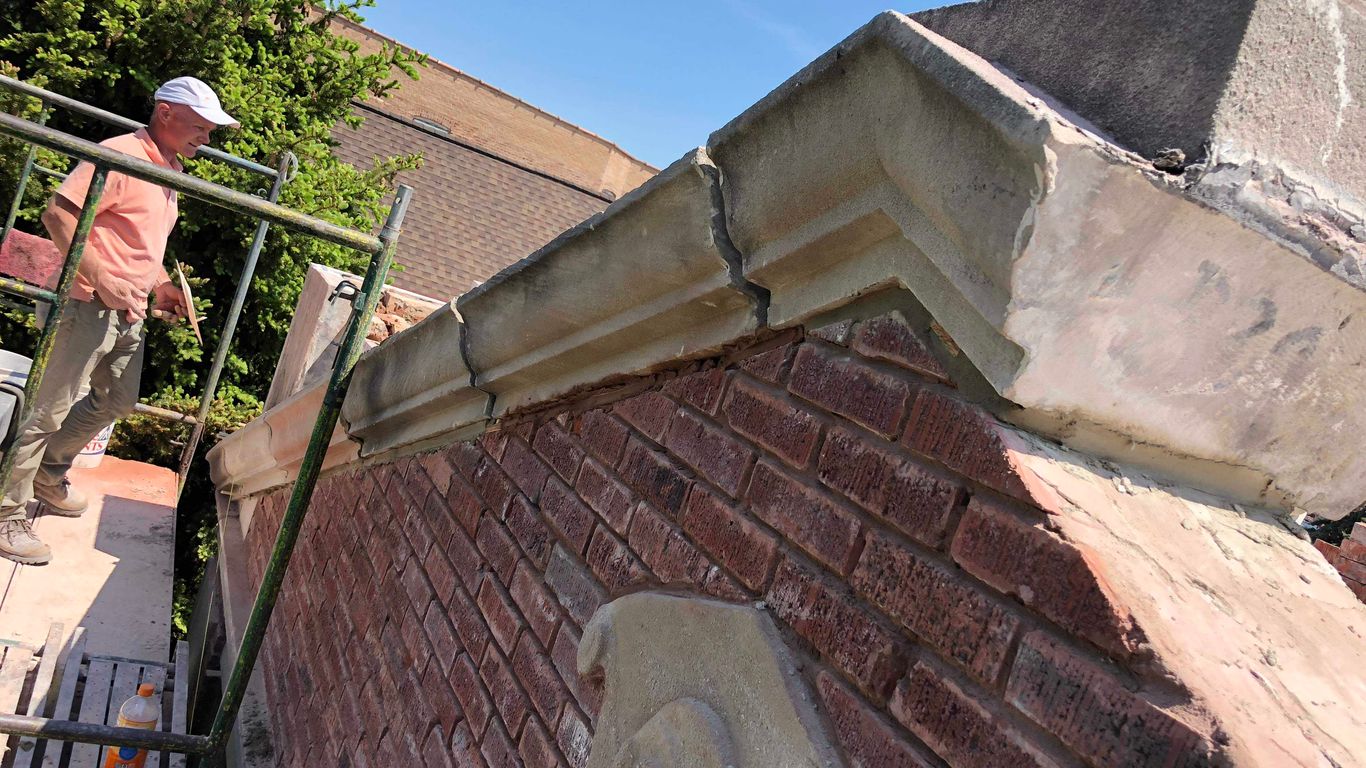
Finding the right people to fix your brickwork isn’t just about getting the job done; it’s about making sure it’s done right, so you don’t have to worry about it again for a long, long time. It can feel a bit overwhelming with so many options out there, but focusing on a few key things can really help narrow it down.
What to Look For in a Masonry Contractor
When you’re looking for someone to handle your brick repair, think about what makes a contractor reliable. It’s not just about who has the lowest price. You want someone who knows what they’re doing and treats your home with respect. Here are some things to keep in mind:
- Experience: How long have they been doing this kind of work? A contractor with years of experience, especially in your local area, likely knows the common issues and how to fix them properly. For example, Casey Tuckpointing has been around for decades, which means they’ve seen just about everything when it comes to brickwork.
- Licenses and Insurance: This is a big one. A licensed and insured contractor means they’re operating legally and you’re protected if anything unexpected happens on the job.
- Reputation and Reviews: What do past clients say? Look for online reviews or ask for references. A good reputation is usually earned through quality work and good customer service.
- Clear Communication: Do they explain the process clearly? Do they answer your questions patiently? You should feel comfortable talking to them about the project.
The Importance of Experience and Craftsmanship
This isn’t a job for just anyone with a trowel. Brick repair, especially tuckpointing, requires a specific skill set. It’s a craft that’s been passed down, and good masons take pride in their work. You can often tell the difference between shoddy work and quality craftsmanship just by looking at it. Properly done mortar joints should look neat and consistent, blending in with the existing brickwork. Poorly done work can look messy, and worse, it might not hold up over time, leading to more problems down the road.
The difference between a good repair and a bad one often comes down to the details. It’s about matching the mortar color precisely, getting the depth of the joint just right, and using materials that are compatible with your existing brick. Cutting corners here can lead to premature failure and more costly repairs later.
Understanding the Repair Process
Before you hire anyone, it’s helpful to have a basic idea of what the repair process usually involves. This way, you can ask informed questions and understand what the contractor is proposing.
- Inspection: The contractor should start with a thorough look at your brickwork. They’ll check for cracked mortar, damaged bricks, spalling, and any signs of water issues.
- Customized Plan: Based on the inspection, they should create a plan that addresses your specific problems. Not every house needs the same thing.
- Preparation: This might involve protecting surrounding areas, cleaning the brickwork, and removing old, damaged mortar.
- Repair/Replacement: This is where the actual tuckpointing or brick replacement happens. They’ll mix the mortar to match existing colors and apply it carefully.
- Finishing: After the mortar has set a bit, they’ll clean up any excess and make sure the joints look neat.
When it comes to specialized work like chimney repairs, finding someone with specific experience is key. A contractor who is certified and experienced in chimney masonry, like those recommended for chimney repair, will have the know-how to handle those unique challenges safely and effectively.
Addressing Specific Brickwork Issues
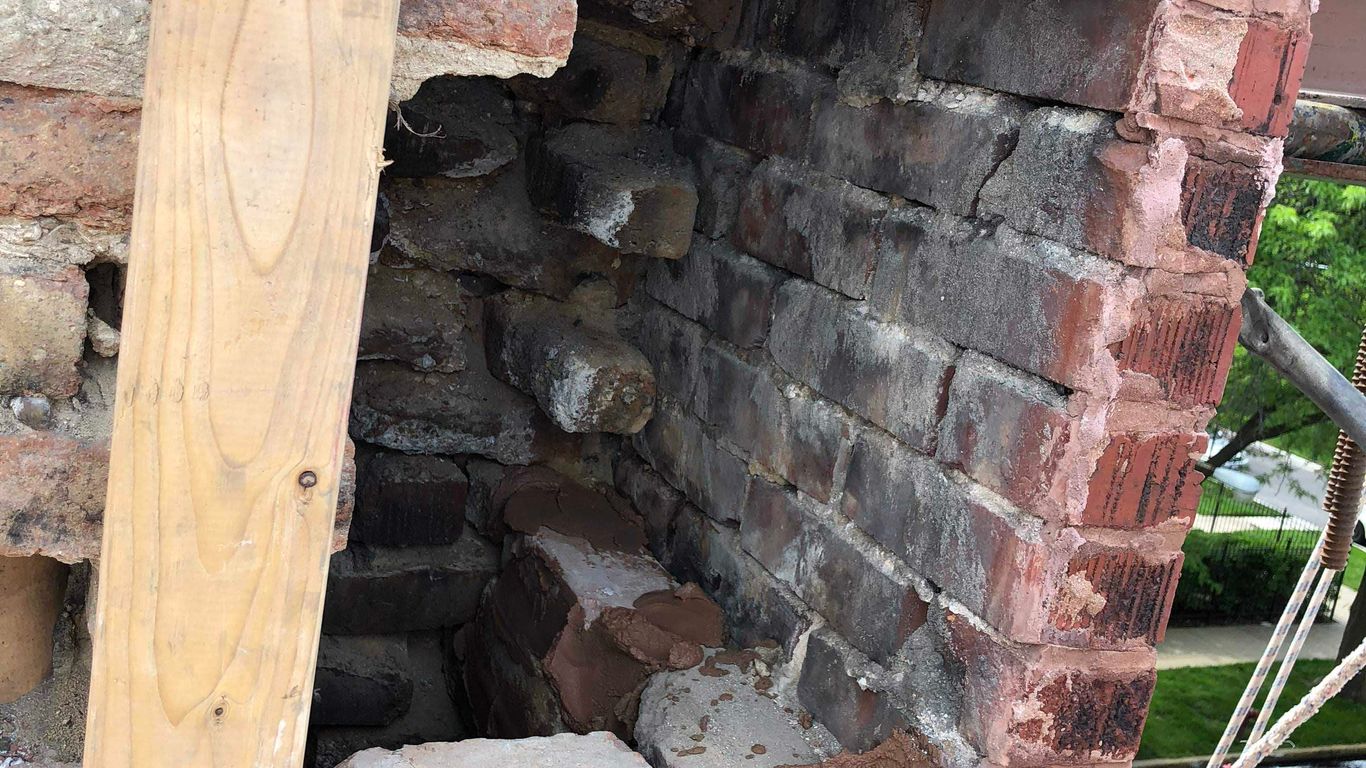
Sometimes, you’ll notice particular problems with your brickwork that need a focused approach. It’s not always about the whole wall; often, it’s a few specific spots that are causing trouble. Dealing with these issues correctly is key to keeping your home looking good and staying strong.
Repairing Spalling Bricks
Spalling happens when the surface of a brick starts to flake off. This usually occurs because the brick has absorbed too much moisture, and then that moisture freezes and expands, pushing the surface away. It’s like the brick is shedding its skin, but not in a good way. You can’t really fix a spalled brick; it needs to be replaced. We carefully remove the damaged brick, clean out the area, and then fit in a new brick that matches the old one as closely as possible. Getting the mortar color and texture right is important here so the repair blends in.
Restoring Chimney Brickwork
Chimneys take a beating. They’re exposed to the elements constantly – rain, snow, sun, and the heat from your fireplace. Over time, the mortar can crumble, bricks can crack, and the whole structure can start to look a bit sad. We inspect the entire chimney, from the base to the cap, looking for any signs of wear. Then, we’ll do what’s needed, whether it’s tuckpointing the joints, replacing damaged bricks, or even rebuilding sections if they’re too far gone. A well-maintained chimney is safer and works better.
Tuckpointing Mortar Joints
Mortar joints are the glue that holds your brick walls together. When this mortar starts to crack, crumble, or fall out, it’s a big problem. Water can get in, freeze, and cause even more damage. Tuckpointing is the process where we carefully remove the old, damaged mortar from the joints and then fill them back in with new mortar. It’s a detailed job that requires a steady hand and the right materials. We make sure the new mortar matches the old stuff in color and hardness so it lasts and looks right. This process is vital for preventing water damage and keeping your walls solid.
It’s easy to think of brick repair as just filling holes, but it’s much more than that. It’s about understanding how the materials work together, how they react to the weather, and how to make repairs that are both strong and look like they’ve always been there. Getting these specific issues fixed properly means your home stays protected and looks its best for years to come.
Got some cracks or crumbling spots in your brick walls? Don’t let small problems turn into big headaches. We can help fix all sorts of brickwork issues, making your building look great and stay strong. Visit our website today to learn more about how we can help you!
Don’t Wait, Restore Your Home’s Brickwork
Look, your home’s brickwork is more than just pretty walls; it’s a big part of keeping your place solid and safe. When you start seeing cracks, crumbling bits, or just notice things don’t look right, it’s easy to put off. But honestly, ignoring those signs can lead to bigger, more expensive problems down the road, like water getting in where it shouldn’t or even structural issues. Getting a pro to check it out and fix things up, whether it’s a small repair or a bigger job, is a smart move. It keeps your home looking good, protects your investment, and gives you peace of mind. So, if your brickwork needs some attention, don’t hesitate to call in the experts to get it sorted right.
Frequently Asked Questions
What are the common signs that my brickwork needs repair?
Look for cracks in the mortar, crumbling bits of mortar falling out, or bricks that seem loose or damaged. Sometimes you might see water stains on your walls, which means water is getting in through bad joints. If you notice any of these, it’s a good idea to get it checked out.
Why is it important to fix my brickwork, even if the damage seems small?
Even small problems can get much worse over time. Cracks and missing mortar let water seep in, which can freeze and expand in winter, causing more damage. This can weaken your home’s structure and lead to bigger, more expensive repairs down the road. Fixing it early saves you trouble and money.
Can I fix my brickwork myself?
For very minor issues, like replacing just one or two bricks, you might be able to do it yourself if you have some experience. However, for most brick repair, especially tuckpointing (fixing the mortar joints) or if there’s significant damage, it’s best to hire a professional. They have the right tools, knowledge, and experience to do the job correctly and safely, ensuring it lasts.
What is tuckpointing and why is it done?
Tuckpointing is a special way of fixing the mortar between bricks. It involves removing the old, damaged mortar and filling the gaps with new mortar. This not only makes your walls look better by fixing cracks and missing bits, but it also helps keep water out and makes your brickwork stronger.
How do you make sure new mortar matches the old bricks?
Experienced masons know how to match the color and texture of the old mortar. They can carefully mix different colored sands and cements to get a close match. Sometimes, they can even find materials that are similar to what was used originally. This attention to detail makes the repairs blend in nicely with the rest of your house.
What’s the difference between brick repair and brick cleaning?
Brick repair is about fixing damage, like cracks, crumbling mortar, or broken bricks, to make the structure sound and safe again. Brick cleaning is about making the bricks look good by removing dirt, stains, mold, or mildew. While cleaning can improve the look, it doesn’t fix any structural problems. Often, it’s best to repair first, then clean.