
Your chimney is a pretty important part of your house, not just for looks but for safety too. Over time, things like weather and just plain old wear and tear can mess with the bricks and mortar. When that happens, you’ve got to deal with it. Ignoring it can lead to bigger problems down the line, and nobody wants that. That’s where knowing about brick chimney repair comes in handy. It’s all about keeping things safe and making sure your chimney lasts as long as it should.
Key Takeaways
- Regular checks are important to spot damage on your brick chimney early.
- Things like weather and age can break down bricks and the stuff holding them together.
- Fixing small issues like worn-out mortar with tuckpointing can stop bigger problems.
- Sometimes, if the damage is really bad, rebuilding the whole chimney is the best option.
- Hiring good pros for brick chimney repair makes sure the job is done right and keeps your home safe.
Understanding Brick Chimney Deterioration
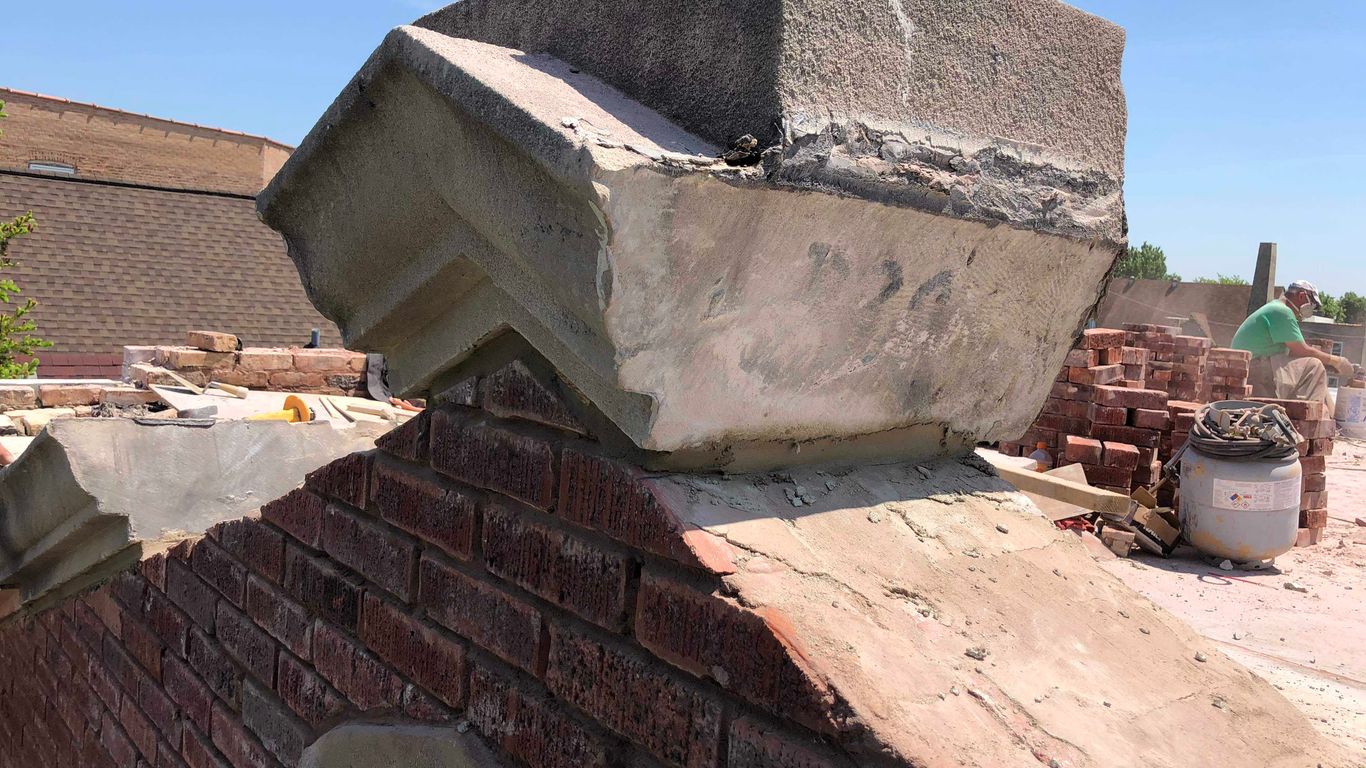
Brick chimneys, while sturdy, aren’t immune to the effects of time and the elements. Over the years, they can start to show signs of wear and tear, which isn’t just about looks; it can actually become a safety concern. Understanding why this happens is the first step in keeping your chimney in good shape.
Common Causes of Brick Chimney Damage
Several things can lead to your chimney’s brickwork breaking down. Water is a big one. It can seep into tiny cracks, and when temperatures drop, that water freezes and expands, pushing the bricks apart. This is called the freeze-thaw cycle, and it’s tough on masonry. Poor construction materials or methods from the start can also cause problems down the line. Even the natural settling of your house can put stress on the chimney. And, of course, a lack of regular check-ups means small issues can turn into big ones before you even notice.
The Impact of Weather on Chimney Masonry
Weather plays a huge role in how your chimney holds up. Think about it: your chimney is constantly exposed to sun, rain, wind, snow, and drastic temperature changes. Rain can wash away protective layers and seep into the mortar. Extreme heat can cause materials to expand, and then the cold makes them contract, leading to stress. In areas with freezing winters, the freeze-thaw cycle we talked about is particularly damaging. Over time, these constant shifts and exposures wear down the mortar joints and can even cause bricks to crack or crumble. It’s like a slow, steady battle against the elements.
Identifying Signs of Chimney Wear and Tear
Spotting problems early is key. You don’t need to be a chimney expert to notice some common issues. Look for:
- Cracked or crumbling mortar: This is often the first sign. If the material between the bricks looks like it’s falling apart or has visible cracks, it needs attention.
- Spalling bricks: This happens when the outer layer of the brick starts to peel or flake off. It’s usually a sign that moisture has gotten into the brick and is causing damage.
- Stains or discoloration: While sometimes just dirt, dark stains or white powdery deposits (efflorescence) can indicate water issues.
- Loose or missing bricks: If you see bricks that are wobbly or have fallen out, that’s a clear sign of trouble.
- Cracks in the chimney structure: Any visible cracks running through the bricks or mortar are serious.
It’s important to remember that chimneys are complex structures. What might seem like a minor cosmetic issue could be a symptom of a deeper problem affecting the chimney’s structural integrity. Regular visual inspections, perhaps after a harsh winter or a period of heavy rain, can help you catch these issues before they become major repairs. If you’re unsure, it’s always best to consult with a professional. You can often find local services by checking their [Google Business Profile](https://www.google.com/maps/search/chimney+repair+services) listings.
Here’s a quick look at what to watch out for:
| Sign of Deterioration | Description |
|---|---|
| Mortar Joints | Cracked, crumbling, or missing mortar between bricks. |
| Bricks | Spalling (flaking surface), cracks, or missing pieces. |
| Chimney Crown | Cracks or signs of water damage on the concrete slab at the top. |
| Flashing | Rusting, loose, or damaged metal around the chimney base where it meets the roof. |
Essential Brick Chimney Repair Techniques
When your brick chimney starts showing its age, it’s not just about looks; it’s about keeping things safe and working right. There are a few main ways pros fix up these old structures.
Brick Replacement and Re-bricking
Sometimes, individual bricks get damaged. Think cracks, chips, or crumbling bits. These can be carefully removed and swapped out for new ones that match the old ones as closely as possible. It’s like giving your chimney a few new teeth. If the mortar joints are really washed out, or if a brick is so damaged it crumbles when you try to take it out, you might need to do more. This is where re-bricking comes in. It means taking down a section of the chimney and rebuilding it with new bricks. This is usually done when only a small part of the chimney is affected. If more than 30% of the wall is damaged, or if all the bad bricks are clustered together, it might be time to think about rebuilding a bigger section or even the whole thing.
The Importance of Tuckpointing Mortar Joints
Mortar is the glue that holds your chimney together. Over time, this mortar can wear away, crack, or crumble. This is where tuckpointing comes in. It’s a process where the old, damaged mortar is scraped out from between the bricks, and then new mortar is carefully packed in. This isn’t just about making it look pretty; it’s vital for stopping water from getting into the chimney structure. Water getting into those gaps can freeze and expand, causing even more damage. Professionals will clean out the old stuff, making sure the new mortar sticks well. They often use mortar that matches the color and texture of the original, so the repair blends in. Sometimes, they even use a contrasting color for a decorative effect.
Addressing Chimney Crown and Flashing Issues
The chimney crown is the concrete slab on top of your chimney. It’s like a little roof for your chimney, designed to keep water out. If it cracks, water can seep down into the masonry, causing all sorts of problems. Repairing a cracked crown usually involves sealing it up to prevent further water intrusion. Then there’s the flashing. This is the metal strip that seals the gap where the chimney meets the roof. If the flashing is damaged or loose, water can get under your shingles and into your house. Fixing flashing means making sure that seal is watertight again, protecting your home from leaks.
When dealing with chimney repairs, especially involving mortar, using lime-based mortars can be a good idea for older homes. They are more flexible and let moisture escape, which is often better for historic structures than modern cement-based mortars. It’s all about using the right stuff for the job to make sure the repair lasts. Lime-based mortars are a classic choice for a reason.
Here’s a quick look at common repair needs:
- Cracked or Missing Mortar: This is the most common issue, addressed by tuckpointing.
- Damaged Bricks: Individual bricks might need replacement.
- Cracked Chimney Crown: Requires sealing or repair of the concrete cap.
- Leaking Flashing: Damaged metal around the chimney base needs attention.
- Spalling Bricks: Bricks that are flaking or peeling due to water damage often need replacement.
When to Consider Full Chimney Rebuilding
Sometimes, even the best repair efforts just aren’t enough. When your brick chimney has seen better days, and the damage is extensive, it might be time to think about a full rebuild instead of trying to patch it up. It’s a big decision, for sure, but often the more sensible and cost-effective choice in the long run.
Assessing the Extent of Chimney Damage
Figuring out just how bad things are is the first step. You’re looking for signs that go beyond a few loose bricks or crumbling mortar. Think about widespread issues. If you see:
- Cracks that run through multiple bricks or large sections of the chimney. These aren’t just surface-level problems.
- Significant spalling (where the outer layer of the brick flakes off), especially if it’s affecting a large area.
- The chimney leaning or showing signs of structural instability. This is a serious safety concern.
- Water damage that has compromised the integrity of the masonry. This can happen from leaks or constant exposure.
If more than 30% of the chimney wall is damaged, or if the damage is concentrated in one spot, rebuilding might be the way to go. It’s like trying to fix a car with a rusted-out frame – sometimes, starting fresh is the only real option.
The Cost-Effectiveness of Rebuilding Over Repair
It might seem counterintuitive, but rebuilding can actually save you money over time. Frequent, piecemeal repairs on a chimney that’s fundamentally failing can add up quickly. You might fix one section, only for another to start crumbling a year later. A full rebuild, while a larger upfront investment, gives you a completely new structure that should last for decades without constant attention. The cost to repair a masonry chimney can vary a lot, but when you’re looking at major structural work, the price tag for repairs can start to approach the cost of a rebuild. It’s worth getting quotes for both to see the real numbers.
When a chimney is severely deteriorated, attempting to repair it can be a temporary fix that doesn’t address the underlying structural weaknesses. This often leads to repeated repairs, which ultimately cost more than a complete rebuild and may not fully restore the chimney’s safety or functionality.
Ensuring Structural Integrity with New Construction
When you opt for a full rebuild, you’re not just getting new bricks and mortar; you’re getting a structure built to modern standards. This means it will be properly designed to handle the stresses of weather and use. A professional masonry contractor will use high-quality materials and proven techniques to construct a chimney that is sound, safe, and built to last. This is particularly important if you’re adapting an older chimney for use with modern heating appliances, which can have different venting requirements. A new build ensures everything is up to code and ready for years of reliable service. For major work like this, you’ll want experienced professionals who specialize in chimney repair and rebuilding.
Choosing the Right Professionals for Brick Chimney Repair
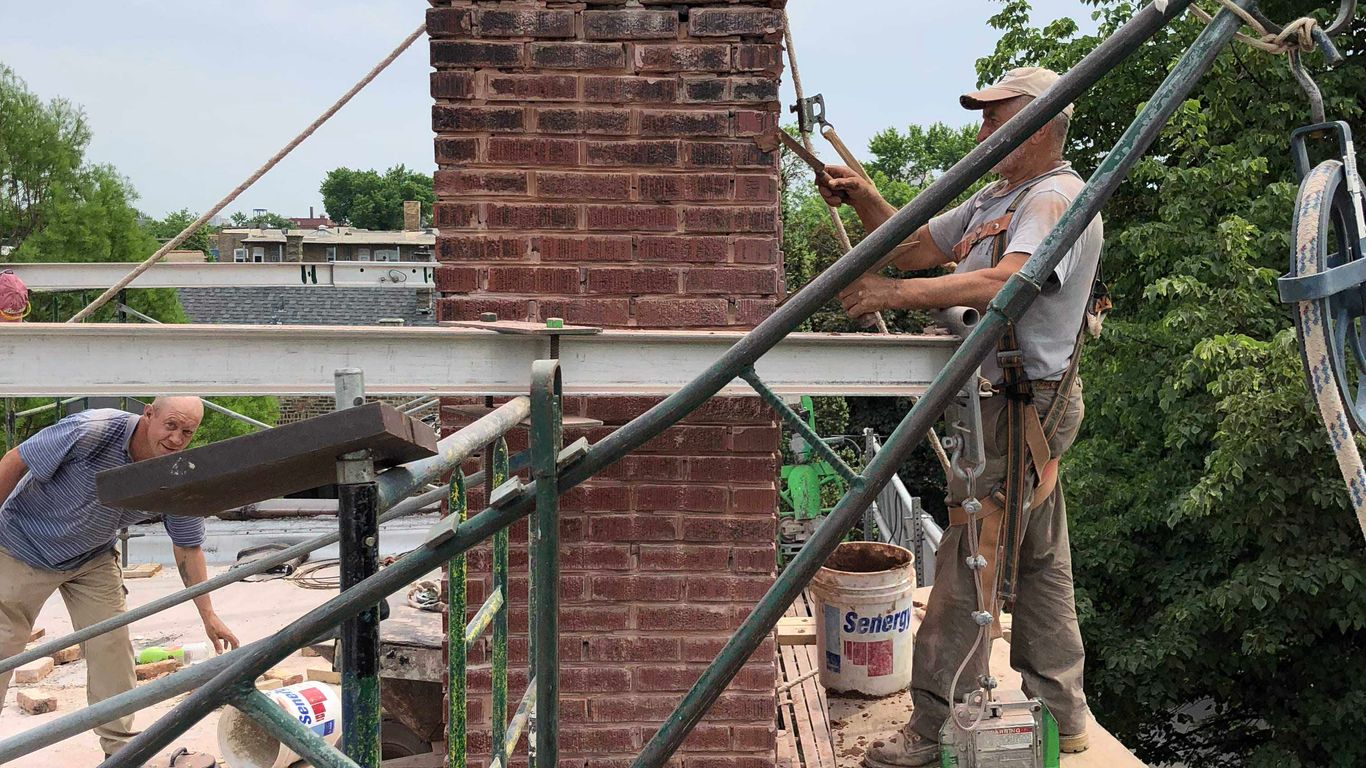
So, your chimney’s seen better days. Maybe it’s got a few cracks, or the mortar looks like it’s crumbling. It’s tempting to think you can just patch it up yourself, right? I mean, how hard can it be? Well, I learned the hard way with my bike that sometimes, what looks simple on YouTube is a whole different ballgame in reality. When it comes to something as important as your chimney, which is literally part of your home’s safety system, you really don’t want to mess around.
Expert Evaluation and Diagnosis
Before anyone even picks up a trowel, the first step is getting a solid assessment. A good chimney repair service will start with a thorough inspection. They’re not just looking at the obvious stuff, like loose bricks or missing mortar. They’re checking for deeper issues, like water damage that might be hiding, or structural problems that could become serious down the line. Think of it like a doctor giving you a check-up; they need to figure out exactly what’s wrong before they can prescribe the right treatment. This detailed look helps them create a plan that actually fixes the problem, not just the symptoms. It’s about making sure the repair lasts.
The Value of Experienced Masonry Contractors
When you’re looking for someone to fix your chimney, you want someone who knows bricks and mortar inside and out. That means looking for experienced masonry contractors. These aren’t just general handymen; they’re specialists who understand how different types of bricks and mortar work together, and how they react to weather over time. They know how to match mortar colors and textures so the repairs blend in, keeping your chimney looking good. Plus, they’ve probably seen just about every chimney problem imaginable, so they can usually spot issues you wouldn’t even think of. Finding a contractor with a solid history, like those specializing in chimney repair and fireplace services, can give you a lot of peace of mind.
Questions to Ask Potential Chimney Repair Services
Don’t be shy about asking questions when you’re getting quotes. It’s your home, and you need to feel confident in the people you hire. Here are a few things you might want to ask:
- How long have you been in business specifically doing chimney repair?
- Can you provide references from recent jobs, preferably similar to mine?
- What kind of warranty or guarantee do you offer on your work and materials?
- Are you licensed and insured? (This is a big one!)
- Can you explain the repair process in detail, and what materials you plan to use?
- Do you provide a written estimate that breaks down the costs?
It’s easy to get caught up in just the price, but remember that the cheapest option isn’t always the best. Sometimes, a slightly higher quote from a contractor with a great reputation and a solid warranty is worth every penny in the long run. You’re investing in the safety and longevity of your home, after all.
Choosing the right team is more than just finding someone to do a job; it’s about finding a partner who will help protect your home. A good contractor will explain things clearly, be transparent about costs, and stand behind their work. They’re the ones who can properly assess if you need simple brick replacement or something more involved, making sure the job is done right the first time.
The Benefits of Professional Brick Chimney Repair
So, you’ve got a brick chimney, and maybe it’s seen better days. It’s easy to think about just patching it up yourself or ignoring it, but honestly, that’s usually not the best move. Getting professionals involved for chimney repair brings a whole lot of good things your way, way beyond just fixing a few loose bricks.
Enhancing Home Safety and Preventing Hazards
This is the big one, right? A damaged chimney isn’t just an eyesore; it’s a potential danger zone. Loose bricks or crumbling mortar can fall, which is a hazard for anyone near your house. More seriously, cracks and gaps can let smoke and dangerous gases like carbon monoxide escape into your home instead of going up the flue. Professionals know exactly where to look for these hidden problems. They can spot issues like compromised flue liners or blockages that you might miss. Regular professional inspections and repairs are key to stopping small problems from turning into major safety risks. Think of it like getting your car’s brakes checked – you don’t wait until they fail, do you?
Improving Energy Efficiency and Performance
Your chimney does more than just vent smoke; it plays a role in how well your heating system works. When mortar joints are worn out, heat can escape from your home through those gaps. This means your furnace or fireplace has to work harder to keep you warm, driving up your energy bills. Professionals can properly seal these joints through tuckpointing, making your chimney more airtight. This not only stops heat loss but also helps your fireplace or stove perform better, burning fuel more efficiently. It’s a win-win for your comfort and your wallet.
Restoring Aesthetic Appeal and Property Value
Let’s face it, a crumbling, stained chimney doesn’t do your home any favors visually. It can make the whole house look neglected. Professional repair services don’t just fix the structural issues; they also focus on making your chimney look good again. They can match mortar colors, replace damaged bricks so they blend in, and clean the exterior. A well-maintained chimney adds a lot of charm and character back to your home. Plus, it’s a significant factor when it comes to your home’s overall value. A solid, attractive chimney signals to potential buyers that the house has been well cared for, which can make a big difference in getting your asking price. It’s an investment that pays off in more ways than one.
Keeping your brick chimney in good shape is super important for your home’s safety and looks. When it needs fixing, getting a pro to do the job makes a big difference. They know how to fix cracks and make sure everything is strong and safe, stopping small problems from becoming huge headaches. Don’t wait for issues to get worse! Visit our website today to learn more about how we can help keep your chimney looking great and working perfectly.
Wrapping Up Your Chimney Project
So, that’s the lowdown on keeping your brick chimney in good shape. It’s not just about how it looks, though that’s part of it. A well-maintained chimney is safer for your home and family, and it’ll last a whole lot longer. If you’re seeing cracks, crumbling bits, or just feel like something’s not right, it’s probably time to call in the pros. They know what they’re doing and can fix it up right, so you don’t have to worry about it. Taking care of your chimney now means fewer headaches down the road.
Frequently Asked Questions
What are the main reasons brick chimneys get damaged?
Brick chimneys can get worn out for a few reasons. Weather plays a big part; things like rain, snow, and freezing temperatures can break down the bricks and the stuff holding them together, called mortar. Also, the hot smoke and gases from your fireplace or heater can slowly damage the inside over time. Sometimes, older chimneys just aren’t built for the newer, more efficient heating systems, which can cause problems too.
What are the signs that my chimney needs repair?
Keep an eye out for a few things. You might see cracks in the bricks or crumbling mortar between them. Sometimes, the top part of the chimney, called the crown, might crack. You could also notice missing pieces of mortar or even bricks falling out. If you see water stains on the outside or inside near the chimney, that’s another warning sign.
What is tuckpointing, and why is it important?
Tuckpointing is like giving your chimney a fresh set of mortar joints. It involves removing old, worn-out mortar and filling the gaps with new material. This is super important because it keeps water from getting into the chimney walls, which can cause a lot of damage, especially in freezing weather. It also makes the chimney look much better and stronger.
When should I consider rebuilding my chimney instead of repairing it?
If a big chunk of your chimney is damaged, or if many bricks are broken in one area, rebuilding might be the better choice. Repairing can get expensive and might not fix the problem for good if the damage is too widespread. A professional can tell you if rebuilding is more cost-effective and will make your chimney safe and strong for a long time.
How do I find a good professional for chimney repair?
Look for experienced masonry contractors who specialize in chimneys. Ask friends for recommendations or search online for companies with good reviews. It’s smart to get a few different opinions and quotes. Don’t be afraid to ask them about their experience, what kind of materials they use, and if they offer a warranty on their work.
What are the benefits of getting professional chimney repair?
Getting professional help keeps your home safe by preventing fire hazards and structural problems. A well-maintained chimney works better, which can save you money on heating. Plus, a good-looking, sturdy chimney adds to your home’s overall appearance and can even increase its value. It’s an investment in your home’s safety and beauty.