
Masonry restoration is a big deal, not just for how your building looks but for how long it lasts. Think of it like giving your house a really thorough check-up and tune-up. We’re talking about fixing up brick and stone so it looks good and stays strong. It’s about keeping those old buildings around and making sure newer ones don’t fall apart. This isn’t just about slapping some new mortar on; it’s a whole process that needs to be done right.
Key Takeaways
- Masonry restoration is about more than just looks; it’s about structural health and preserving history.
- Understanding common masonry problems, like cracks and crumbling mortar, is the first step to fixing them.
- Restoration involves using the right materials and techniques to match original structures, especially for historic buildings.
- Professional masonry services are often needed for complex repairs, structural issues, and historical accuracy.
- Regular maintenance and timely repairs are the best ways to prevent major damage and keep masonry structures durable.
Understanding Masonry Deterioration
Masonry, whether it’s brick, stone, or concrete, is known for its toughness. It’s what we often think of when we picture sturdy, long-lasting buildings. But even the toughest materials can start to break down over time. It’s not magic; it’s just the way things are. Stuff ages, and buildings are no different. Recognizing when your masonry is starting to show its age, and more importantly, when it’s actually damaged, is the first big step in keeping it around for a long time.
Recognizing the Signs of Trouble
So, what should you be looking out for? It’s not always obvious, but there are definite clues. You might see cracks forming in the mortar between bricks or stones. Sometimes, the bricks or stones themselves can start to chip away or crumble – this is called spalling. Another common issue is efflorescence, which looks like a white, powdery residue on the surface. It’s usually a sign that moisture is getting trapped inside the masonry. Water stains, mold, or mildew on interior walls can also point to water getting in through damaged joints. Basically, anything that looks out of place or like it’s breaking down is worth a closer look. Don’t ignore small problems; they tend to get bigger and more expensive to fix later.
The Impact of Weather and Time
Nature is a big player in masonry wear and tear. Rain, believe it or not, can slowly wear away at materials over years. Then there’s the freeze-thaw cycle, especially common in places with changing seasons. Water gets into tiny cracks, freezes, expands, and pushes the masonry apart. Repeat this enough times, and you’ve got bigger problems. Sunlight can fade colors, and pollution can leave its mark. Time itself just takes its toll, weakening mortar and materials. It’s a constant battle against the elements and the simple passage of years. You can see how important it is to address issues promptly to prevent further damage [db3c].
Differentiating Normal Aging from Damage
This is where it gets a bit tricky. Some wear is just normal. A brick wall might get a bit dirty or faded over decades, and that’s just character. The mortar might look a little worn, but still solid. That’s different from actual damage. Damage is when the material is compromised. Cracks that are getting wider, mortar that’s crumbling away completely, bricks that are actively spalling or breaking apart – those are signs of real trouble. It’s like the difference between a few wrinkles on a face and a broken bone. One is just aging, the other needs attention. If you’re unsure, it’s always best to get a professional opinion. They can tell you if it’s just time or if it’s something that needs fixing before it becomes a major issue [e4ae].
The Art of Masonry Restoration
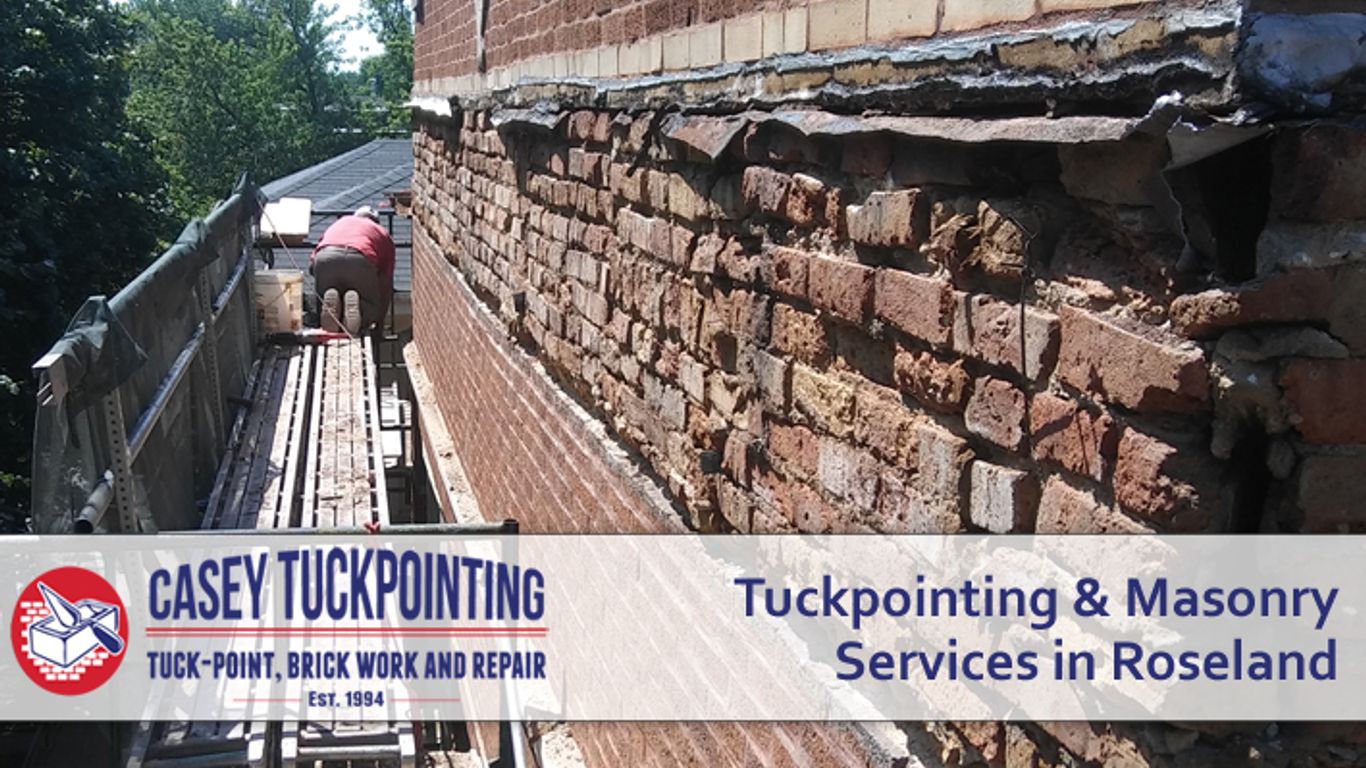
Restoring masonry isn’t just about fixing cracks; it’s about respecting the past and ensuring the future. Think of it like carefully bringing an old painting back to life. You wouldn’t just slap on some new paint, right? It’s the same with brick and stone. The goal is to make it look like it did when it was first built, or at least as close as possible.
Preserving Historical Aesthetics
When we talk about historical buildings, the look is a huge part of their story. These structures have a certain charm that comes from their age and the way they were built. Our job is to keep that charm. This means paying close attention to the original design, the types of bricks or stones used, and even the way the mortar looks. It’s about making sure that any repairs blend in so well, you can barely tell they’re there. We’re not trying to make old buildings look brand new; we’re trying to make them look like well-cared-for old buildings.
Matching Original Materials and Craftsmanship
This is where the real skill comes in. Old buildings often used materials that aren’t common anymore, or they were put together using techniques that are rarely seen today. Finding bricks that match the color and size of the originals can be tough. And the mortar? It’s not just cement and sand. The mix has to be just right to match the original strength and appearance. Getting this match right is key to a successful restoration. It takes a lot of knowledge and a good eye to replicate the craftsmanship of builders from decades or even centuries ago. It’s like being a detective, figuring out exactly how it was done the first time around.
The Significance of Tuckpointing and Re-Pointing
These two terms often come up when talking about masonry repair, and they’re really important. Tuckpointing and re-pointing are basically ways to fix the mortar joints between bricks or stones. Over time, this mortar can crumble or wash away, leaving gaps. If you don’t fix it, water can get in and cause bigger problems, like freezing and cracking the bricks. Re-pointing is when you remove the old, damaged mortar and replace it with new. Tuckpointing is a bit more detailed; it involves cutting a groove and filling it with mortar, often to match the original look precisely. It’s a detailed process that makes a big difference in both how the building looks and how strong it is. It’s a vital part of keeping older structures sound and preventing further water damage.
Masonry restoration is a careful balance between honoring the past and using modern knowledge to protect structures for the future. It requires patience, skill, and a deep respect for the original builders and their work.
Professional Masonry Restoration Services
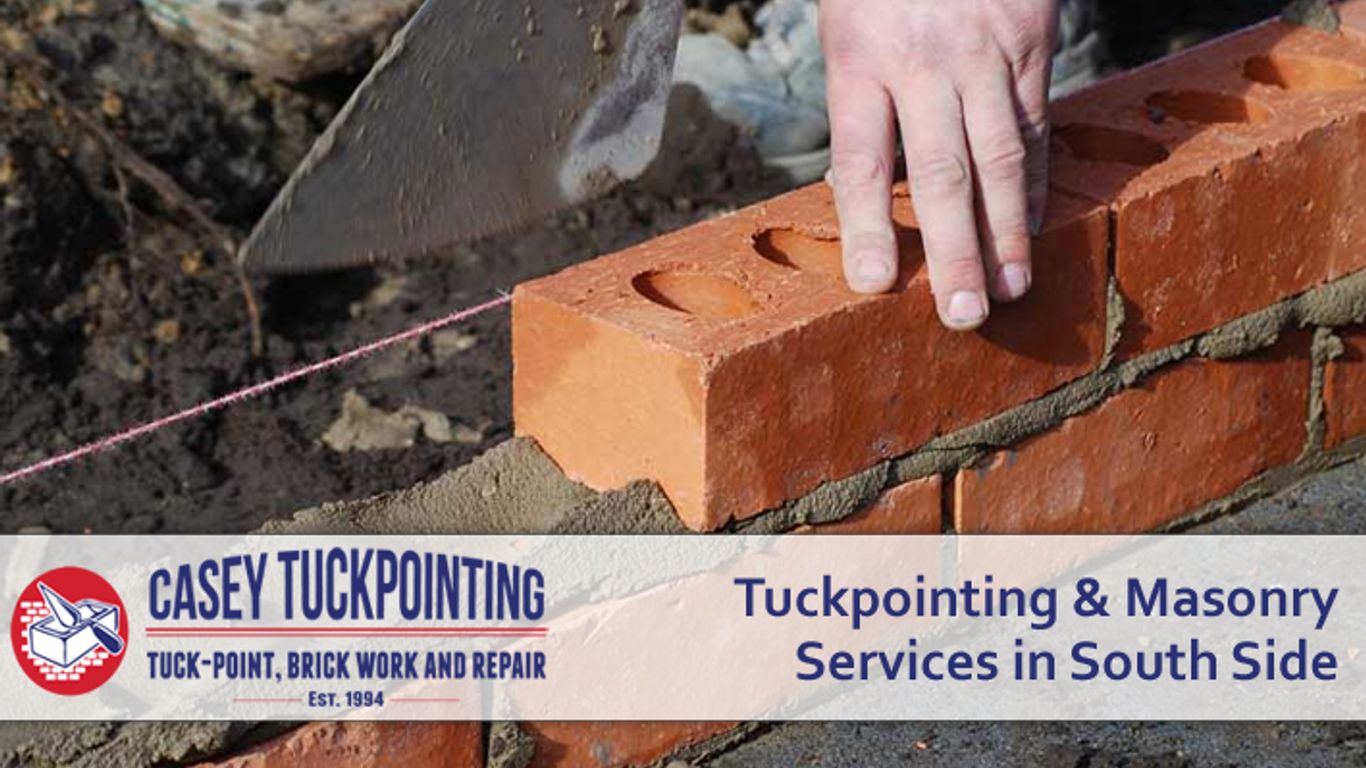
Sometimes, no matter how much you try to keep up with things, your masonry just needs a professional touch. It’s not always a DIY job, especially when things get serious. Knowing when to call in the pros is half the battle.
When to Call the Experts
There comes a point where regular upkeep just won’t cut it anymore. If you’re seeing big cracks, walls that seem to be leaning, or a chimney that looks a bit wobbly, it’s definitely time to get a professional involved. These aren’t small fixes; they can be safety hazards. Also, specialized jobs like tuckpointing and re-pointing, which involve fixing up the mortar between bricks or stones, really need someone with the right skills. Trying to do these yourself can sometimes make things worse, leading to uneven joints or not enough mortar depth, which can weaken the whole structure. For historical buildings, it’s even more important to get experts who know how to keep the original look and feel intact. You can find masonry contractors in your area who specialize in these kinds of repairs.
Expert Evaluation and Customized Plans
When you bring in the pros, they don’t just jump into the work. First, they really look at what’s going on. They’ll check for cracks, crumbling mortar, and even hidden water damage. This detailed inspection helps them figure out exactly what your building needs. Based on this, they create a plan that’s just for your property. It’s not a one-size-fits-all approach. They consider the age of the building, the type of materials used, and the specific problems you’re facing. This careful planning means the repairs will be done right the first time.
Time-Tested Techniques and Modern Advancements
Good masonry restoration services use a mix of old and new methods. They know the traditional ways that have worked for ages, like careful tuckpointing that matches the original mortar color and texture. But they also use modern materials and techniques that make the repairs last longer and protect the building better. For instance, they might use special breathable mortars that let moisture out, stopping damage before it starts. This blend of old-school skill and new technology is key to getting the best results. It’s about making sure the repairs look good and keep your building strong for years to come. You can find companies that focus on this blend of techniques.
The goal of professional masonry restoration is to not only fix immediate problems but also to prevent future issues. This involves understanding the building’s history, its current condition, and the environment it’s in. By using the right materials and methods, experts can significantly extend the life of your masonry, saving you money and hassle down the road.
Materials and Techniques in Masonry Repair
The Importance of Superior Materials
When it comes to fixing up old brick or stone, you can’t just grab any old bag of cement. Using the right stuff is a big deal. Think about it: historical buildings were built with materials that were available back then, and they were put together by people who knew what they were doing. If you use modern, super-hard cement on old, softer bricks, it can actually cause more harm than good. The harder cement won’t flex with the building, and it can trap moisture, leading to spalling (where the surface of the brick flakes off). It’s all about using materials that are compatible with what’s already there. This means looking for mortars with the right strength, breathability, and composition. Sometimes, this involves sourcing special aggregates or even custom-mixing mortar to get the color and texture just right. It’s a bit like trying to match a thread in an old tapestry – you need to find the exact right kind to make it look and perform correctly.
Achieving Seamless Color and Texture Matching
Getting the new mortar to look like the old stuff is often half the battle. It’s not just about filling in the gaps; it’s about making the repair blend in so you can barely tell it was ever done. This takes a keen eye and a lot of practice. Masons will often look at the existing mortar, considering its age, how it’s weathered, and the color of the bricks or stones around it. They might test different mixes on a small, hidden area first. Sometimes, they’ll add pigments to the mortar mix to get the color spot on. The texture is important too; some old mortars have a very specific finish that needs to be replicated. If you’re dealing with a historic building, getting this match right is key to preserving its original look. It’s a detail that makes a huge difference in the overall appearance of the restoration. For more information on what goes into these repairs, you can check out this guide on essential materials and tools.
Understanding Different Repair Approaches
There isn’t just one way to fix masonry problems. The approach really depends on what’s wrong and how bad it is. For small cracks in the mortar, a process called tuckpointing might be all that’s needed. This involves carefully removing the old, damaged mortar and replacing it with new. If bricks or stones are chipped or broken, they might need to be replaced individually. This is where sourcing matching materials becomes really important. For larger issues, like significant structural damage or widespread mortar decay, a more involved restoration might be necessary. This could involve repointing, which is similar to tuckpointing but often done on a larger scale, or even rebuilding sections of the wall. The goal is always to address the root cause of the problem, not just the symptoms. It’s about making sure the repair lasts and doesn’t cause new issues down the line. Understanding these different methods helps in knowing what to expect when you bring in professionals for masonry restoration.
When you’re looking at masonry repair, it’s easy to get caught up in just the visible fix. But a good mason thinks about the whole picture. They consider how water will flow, how the building settles, and how the materials will age together. It’s a thoughtful process that goes beyond just slapping some mortar in a hole. It’s about making a lasting repair that respects the original structure.
Ensuring Durability Through Maintenance
Keeping your masonry looking good and standing strong for years to come really comes down to a few key things. It’s not just about building it right the first time; it’s about looking after it. Think of it like owning a classic car – you wouldn’t just let it sit in the garage and expect it to run perfectly forever, right? Masonry needs that same kind of attention.
Preventive Measures for Longevity
Taking steps before problems pop up is the smartest way to go. It saves you headaches and a lot of cash down the road. A little bit of effort now can mean the difference between a minor fix and a major overhaul later.
- Water Management: Make sure water has a way to get away from your walls. Gutters and downspouts should be clear and directing water away from the foundation. Overhangs help too, by keeping rain off the walls.
- Sealant Application: Sometimes, applying a breathable sealant can stop water from soaking into the masonry in the first place. This is especially helpful in areas that get a lot of rain or snow.
- Vegetation Control: Keep plants and trees trimmed back from your walls. Roots can find their way into cracks, and constantly wet foliage against the masonry can cause issues.
Proper maintenance isn’t just about fixing things when they break; it’s about creating an environment where your masonry can thrive and last.
The Role of Regular Inspections and Cleaning
Catching issues early is a big deal. You don’t need to be a masonry expert to spot some of the common signs that something’s not quite right. Just a quick walk-around now and then can make a huge difference. And keeping things clean? It’s not just about looks.
- Visual Checks: Look for cracks in the mortar, loose bricks or stones, or any signs of crumbling. Pay attention to areas where water might collect.
- Mortar Health: Examine the mortar joints. Are they deeply cracked, or is it flaking away? This is a common area where problems start.
- Surface Cleaning: Dirt, mold, and mildew can not only make your building look dingy but can also hold moisture against the masonry, leading to damage over time. Gentle cleaning methods are usually best.
Finding a good local masonry contractor through resources like their [Google Business Profile](https://ssrg.com/masonry-maintenance-what-to-know-about-protecting-your-building/) can be a great way to get professional eyes on your building periodically.
Waterproofing and Protection Strategies
Water is often the biggest enemy of masonry. When it gets in and then freezes, it expands and can cause serious damage. So, keeping water out is key.
- Sealant Application: As mentioned, sealants can create a barrier. It’s important to use the right kind, though – one that lets the masonry breathe so moisture trapped inside can escape.
- Drainage Systems: Ensuring your building has good drainage, both above and below ground, is vital. This includes proper grading around the foundation.
- Protective Coatings: In some cases, specialized coatings can offer an extra layer of defense against harsh weather and environmental factors.
The Value of Professional Masonry Work
When it comes to maintaining and restoring brick, stone, or block, it’s hard to overstate the real difference professional masonry work can make. A skilled mason has more than just the right tools—they bring years of expertise, a careful eye for detail, and a commitment to lasting results. Let’s look at three ways professional masonry work pays off for property owners.
Benefits of Enhanced Appearance and Property Value
A well-maintained exterior isn’t just pleasant to look at. High-quality masonry restoration makes any building more attractive to buyers and tenants, often boosting its market value. Fresh, clean mortar lines and repaired surfaces turn a tired building into something that stands out in the neighborhood. Not only will your masonry look new again, but taking proper care of it can also raise the property’s curb appeal instantly.
| Benefit | DIY Repairs | Professional Masonry Restoration |
|---|---|---|
| Curb Appeal | Moderate | High |
| Market Value Increase | Low | Significant |
| Authentic Material Match | Rare | Standard |
If you want your property to be both beautiful and a smart investment, it’s worth checking out the advantages outlined in professional building restoration.
Improving Structural Integrity and Safety
Professional masons don’t just make things look good; they make them safer. Many structural issues—loose bricks, eroding mortar, cracks in stone—often go deeper than what you see. Pros can spot hidden dangers and know how to fix them for the long run. This means:
- Fewer worries about falling bricks or failing walls
- Problems solved at their root, not just covered up
- Better performance against wind, rain, and freeze-thaw cycles
The peace of mind that comes with a structurally sound building is hard to put a price on—it’s about protecting your investment and the people who live or work inside.
Choosing Experienced and Credentialed Masons
When your building’s future is on the line, it pays to work with masons who know the craft inside and out. Here’s what to look for:
- Licensing, insurance, and up-to-date training
- Proven work on projects like yours
- Good references and willingness to show portfolios
Professionals bring deeper knowledge, use the best methods, and follow safety codes. This isn’t just about getting the job done—it’s about peace of mind that the work will last.
For those in need of skilled repair, especially with brick, block, or stone, look for a skilled masonry team that focuses on your building’s safety, durability, and value.
When you need masonry work done right, hiring pros makes a huge difference. They know how to handle everything from fixing up old brick to building strong new walls, making sure your property looks great and stays safe. Don’t risk a DIY job that could end up costing more later. Get the job done correctly the first time by experts who care about quality. Visit our website today to see all the services we offer and get a free quote!
Keeping History Standing Strong
So, when it comes down to it, taking care of masonry isn’t just about fixing cracks or replacing old mortar. It’s about respecting the past and making sure these buildings stick around for a long, long time. Whether it’s a grand old building or just your own home, good masonry work means it’ll look good and hold up well. It’s a job that needs a careful hand and the right know-how, but the payoff is structures that tell stories and stand firm for years to come. Don’t let history crumble; invest in its preservation.
Frequently Asked Questions
What are the main signs that my masonry needs repair?
Keep an eye out for cracks in the bricks or mortar, crumbling bits of mortar falling out, or if bricks seem loose or are bulging. Sometimes, you might see white powdery stuff on the surface, which is called efflorescence. Early signs are key to fixing things before they get worse.
Why is it important to use matching materials when repairing old buildings?
Using materials that look and act like the originals is super important for old buildings. It keeps the building looking like it used to and makes sure that the new stuff works well with the old stuff. If you use the wrong kind of mortar, it can actually damage the old bricks over time.
What’s the difference between tuckpointing and re-pointing?
Both involve fixing the mortar between bricks. Re-pointing is more about fixing the structural bits of the mortar joints. Tuckpointing is a bit fancier; it involves cutting a groove and filling it with mortar that matches the brick color, making the joints almost disappear for a cleaner look.
Can I fix minor masonry problems myself?
For very small things, like a tiny crack in the mortar, you might be able to do a simple DIY fix. However, for anything bigger, like wide cracks, loose bricks, or if you’re unsure, it’s always best to call in a professional. They have the right tools and know-how to do it safely and correctly.
How does weather affect masonry, and what can be done?
Rain, snow, ice, and even strong sun can wear down masonry over time. Water can seep into cracks, freeze, and expand, causing damage. To help, make sure gutters are clean and directing water away from walls. Sometimes, applying a special sealer can help keep water out and protect the masonry.
How can I find a good masonry restoration expert?
Look for masons with experience specifically in restoration, especially if your building is historic. Ask to see examples of their past work, check if they are licensed and insured, and get a few different quotes. Good communication and a clear plan are also big signs of a reliable professional.