
Your chimney is a vital part of your home, but it can take a beating from the weather and use. Over time, you might notice cracks, crumbling mortar, or other issues. Ignoring these problems with your chimney can lead to bigger, more expensive repairs down the line, not to mention safety hazards. That’s where professional chimney repair comes in. It’s about keeping things safe and working right, so you don’t have to worry.
Key Takeaways
- Water damage is a major culprit in chimney deterioration, often leading to brick spalling and weakened structures that might require a full rebuild instead of simple chimney repair.
- Tuckpointing, the process of repairing mortar joints, is a common and effective chimney repair technique that prevents further damage and restores structural integrity.
- While some minor masonry tasks can be DIY, complex chimney repair, especially involving structural issues or tuckpointing, is best left to experienced professionals.
- Choosing the right chimney repair method and materials depends on a thorough assessment of the chimney’s condition by a qualified mason.
- Regular chimney inspections and maintenance are more cost-effective in the long run than waiting for major damage to occur, preventing costly chimney repair or rebuilding.
Understanding Chimney Damage And Repair Needs
Identifying Signs of Chimney Deterioration
Your chimney works hard, venting smoke and keeping your home warm, but all that work means it can take a beating from the weather and use. It’s not always obvious when things start to go wrong, but there are definitely signs to look out for. Paying attention to these early warnings can save you a lot of trouble down the road.
Here are some common things to keep an eye on:
- Cracked or crumbling bricks: If you see bricks that look like they’re breaking apart or pieces missing, that’s a red flag.
- Loose or missing mortar: The stuff holding the bricks together can wear away. If you see gaps or mortar on the ground below your chimney, it’s a problem.
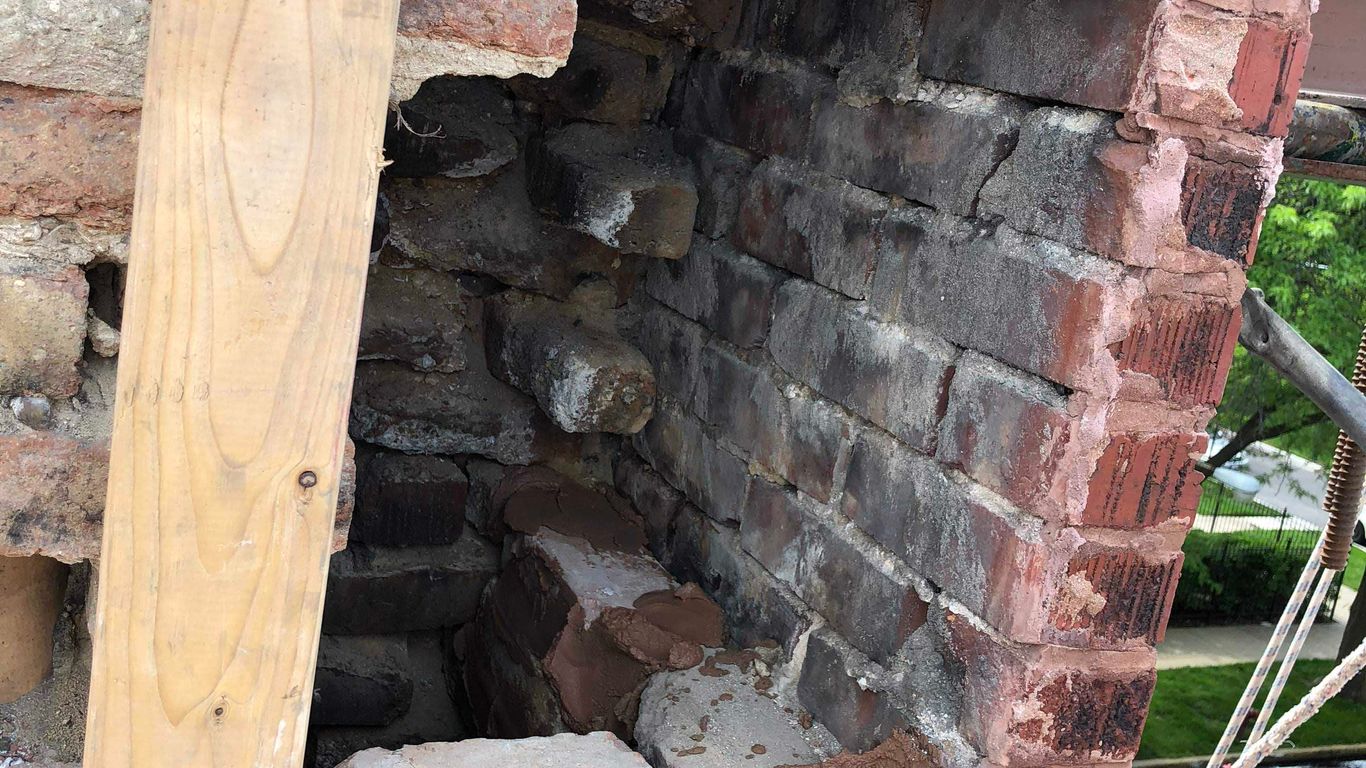
- Spalling bricks: This happens when the surface of a brick starts to peel or flake off. It’s often a sign that the brick has absorbed too much water and is being damaged by freezing and thawing.
- White powdery stains (efflorescence): This is salt deposits that come to the surface when moisture moves through the masonry. It’s a sign that water is getting into your chimney.
- Leaning or tilting: If your chimney looks like it’s not standing up straight anymore, that’s a serious structural issue.
- Damaged chimney cap or flashing: The cap on top keeps rain and animals out, and the flashing seals the area where the chimney meets the roof. If these are damaged, water can get in.
The Impact of Water Damage on Masonry
Water is probably the biggest enemy of your chimney. It seems harmless enough, but over time, it can really do a number on your masonry. When water gets into the tiny pores of bricks and mortar, it can cause all sorts of problems, especially when the temperature drops.
Think about it: water seeps into a crack, then the temperature goes below freezing. That water turns to ice, and ice takes up more space than water. This expansion puts a lot of pressure on the brick and mortar. Repeat this cycle enough times, and you’ll start to see bricks cracking, crumbling, and even breaking apart. This process is called spalling, and it’s a clear sign that water damage is happening. It weakens the entire structure, making it more vulnerable to further damage and potentially unsafe.
Water infiltration is a silent destroyer. It doesn’t just make things look bad; it compromises the very integrity of your chimney, leading to more expensive repairs if not addressed promptly.
When Chimney Repair Becomes Rebuilding
Sometimes, a chimney has seen better days, and a simple repair just won’t cut it anymore. If the damage is widespread or has been ignored for too long, rebuilding the entire chimney might actually be the more sensible and cost-effective option in the long run. Constantly patching up a chimney that’s fundamentally unsound is like putting a band-aid on a broken bone – it doesn’t fix the real problem.
This often happens when water damage has weakened the structure significantly, or if there are major cracks or crumbling sections. Trying to repair these extensive issues can be more expensive and less effective than starting fresh. A full rebuild means you get a chimney that’s structurally sound, built with modern materials, and ready to serve you safely for many more years. It’s a way to reset and ensure your home’s safety and efficiency. For serious structural issues, consider professional chimney repair and rebuilding services.
Comprehensive Chimney Repair Services
When your chimney starts showing signs of wear and tear, it’s not just about how it looks. It’s about keeping your home safe and your heating system running right. That’s where professional chimney repair comes in. We’re talking about services that go beyond just patching things up; these are skilled jobs that bring your chimney back to its best.
Expert Chimney Tuckpointing for Longevity
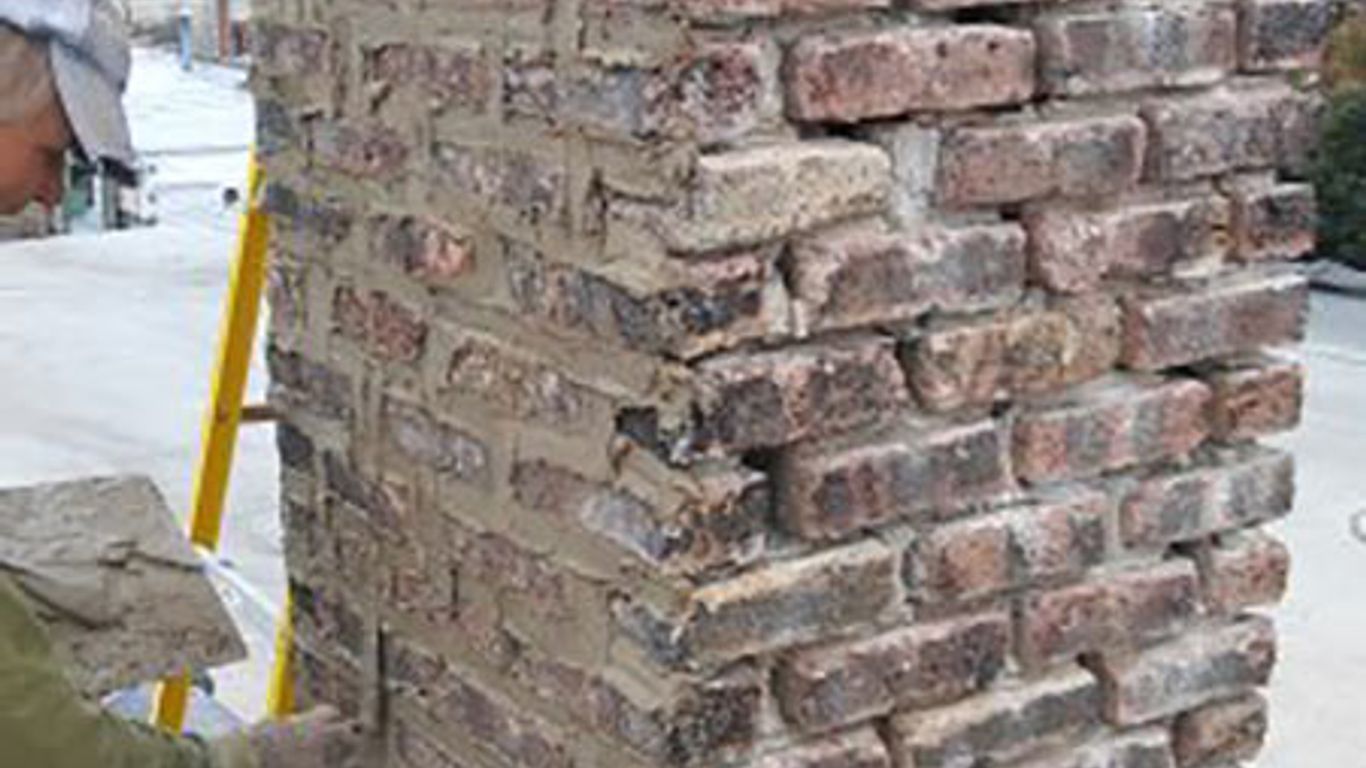
Tuckpointing is a specialized masonry technique that involves removing old, deteriorated mortar from the joints between bricks and replacing it with new mortar. Think of it like giving your chimney’s ‘grout’ a complete refresh. This isn’t just for looks, though it does make a big difference there. Proper tuckpointing is vital for preventing water from seeping into the brickwork, which can cause serious damage over time, especially with Chicago’s freeze-thaw cycles. It strengthens the chimney, stops further erosion, and can save you from needing a full rebuild down the line. It’s a way to keep your chimney structurally sound for years to come.
Chimney Crown And Flashing Restoration
The chimney crown is the concrete slab at the very top of your chimney, and the flashing is the metal that seals the gap where the chimney meets your roof. Both are super important for keeping water out. If the crown cracks, water can get into the chimney structure. If the flashing is damaged or loose, water can leak into your attic or walls. Repairing these areas involves sealing cracks, replacing damaged sections, and making sure everything is watertight. It’s a critical step in preventing water damage that can spread throughout your home.
Addressing Structural Issues and Cracks
Sometimes, chimneys develop more serious problems like significant cracks in the bricks or mortar, or even leaning. These aren’t things you want to ignore. They can be caused by a variety of factors, including foundation settling, water damage, or just age. Addressing these structural issues often involves careful assessment to figure out the root cause. Depending on the severity, repairs might include rebuilding sections of the chimney, reinforcing weak spots, or even a full chimney rebuild if the damage is too extensive. Getting these fixed by experienced masons is key to your home’s safety. You can often find reviews and testimonials for these services on platforms like Google Business Profile.
When you’re dealing with chimney problems, it’s easy to think about quick fixes. But the reality is, masonry work, especially on something as important as a chimney, requires a skilled hand. Trying to do complex repairs yourself can often lead to more damage and higher costs in the long run. Professionals have the tools, the knowledge, and the experience to get the job done right the first time, making sure your chimney is safe and functional.
Here’s a quick look at what professional chimney repair can involve:
- Inspection: A thorough check of the entire chimney structure.
- Tuckpointing: Repairing and replacing mortar joints.
- Crown and Flashing Repair: Sealing and restoring the top and roof-seal areas.
- Brick Replacement: Swapping out damaged or spalled bricks.
- Structural Reinforcement: Addressing cracks and stability issues.
- Rebuilding: Complete or partial reconstruction when necessary.
Choosing the right service means looking for experienced professionals who understand the nuances of masonry and chimney systems. This kind of work is an investment in your home’s safety and longevity. For more information on chimney care, you might find resources on professional chimney inspection helpful.
The Importance of Professional Chimney Maintenance
Look, nobody wants to think about their chimney until something goes wrong, right? It’s easy to forget about it, tucked away up there, doing its job. But ignoring it is a big mistake. Regular maintenance isn’t just about keeping your fireplace looking good; it’s about safety and making sure your home stays efficient.
Why DIY Chimney Repair Is Not Advised
Trying to fix chimney problems yourself can seem like a good idea to save a buck. I mean, how hard can it be? You watch a video, grab some tools, and dive in. But honestly, chimney work is tricky. You’re dealing with heights, potentially unstable structures, and materials you might not be familiar with. For instance, tuckpointing, which is basically renewing the mortar joints, requires a specific touch. Get it wrong, and you could end up with joints that don’t seal right, letting water in, or worse, making the whole thing weaker. It’s not like fixing a leaky faucet; this is part of your house’s structure.
Benefits of Hiring Experienced Masons
When you bring in professionals, you’re getting more than just someone to patch things up. These folks have seen it all. They know the signs of trouble before they become big problems. They can tell if water is getting in where it shouldn’t, or if the bricks are starting to crumble (that’s called spalling, by the way). They have the right tools and materials to do the job properly, like matching mortar colors so it looks good, not like a patchwork quilt. Plus, they know how to work safely at heights. It’s about getting the job done right the first time, which saves you headaches and money down the road. They can also help with things like chimney cleaning to keep everything running smoothly.
Ensuring Safety Through Regular Inspections
Think of chimney inspections like a yearly check-up for your car. You want to catch any little issues before they turn into major breakdowns. A professional inspection can spot things you’d never notice, like tiny cracks in the chimney crown or problems with the flashing where the chimney meets the roof. These small issues, if ignored, can lead to serious water damage inside your walls or even structural problems. A clean chimney also means better airflow, which is important for preventing carbon monoxide buildup. It’s a simple step that makes a huge difference in keeping your home and family safe. Getting a professional chimney sweep is a great way to start this process.
Choosing the Right Chimney Repair Solutions
So, your chimney’s seen better days. Maybe it’s a few cracks here, some crumbling mortar there. It’s easy to get overwhelmed thinking about what needs to be done. But don’t worry, picking the right fix isn’t rocket science. It all starts with figuring out exactly what’s going on with your chimney.
Assessing Your Chimney’s Technical Condition
Before you even think about calling someone or buying supplies, you’ve got to know what you’re dealing with. This means a good, honest look at the chimney itself. Are the bricks loose? Is the mortar falling out in chunks? Is there water damage? Sometimes, it’s obvious, like a big crack running down the side. Other times, it’s more subtle, like efflorescence (that white powdery stuff) or spalling bricks, which happens when water gets into the brick and freezes, then expands.
- Visual Inspection: Walk around your house and look up. Check the chimney from the roofline down. Look for missing bricks, cracked mortar joints, or any signs of crumbling.
- Water Intrusion Points: Where is water getting in? This could be from a damaged crown, faulty flashing, or even just porous bricks.
- Structural Integrity: Are there any leaning or bowing sections? This is a serious sign that needs professional attention right away.
A thorough assessment helps pinpoint the exact problems, preventing unnecessary repairs and ensuring the correct solutions are applied.
Selecting Appropriate Repair Methods and Materials
Once you know the issues, you can start thinking about fixes. For minor mortar joint wear, tuckpointing is often the way to go. This is where old, damaged mortar is carefully removed and replaced with new mortar that matches the original. It’s a detailed job, and doing it right makes a big difference in both looks and durability. If bricks are badly damaged, they might need to be replaced one by one. For more serious problems, like a crumbling chimney crown or damaged flashing around the base, specific repairs are needed to keep water out. The materials used are super important too. Using the wrong kind of mortar can actually cause more harm than good over time. Professionals know which types of chimney liners and mortars are best suited for your specific chimney and climate.
Adapting Chimneys for Modern Heating Devices
Older chimneys were often built for open fireplaces or less efficient heating systems. Modern furnaces, boilers, and even some high-efficiency wood stoves produce different types of exhaust gases and operate at different temperatures. Sometimes, an old chimney just isn’t up to the task anymore. It might not vent properly, leading to poor performance or even safety hazards like carbon monoxide buildup. In these cases, repairs might involve relining the chimney with a material that can handle the new conditions, or sometimes, modifications are needed to improve airflow. It’s all about making sure your chimney works safely and efficiently with whatever heating system you’re using today. Getting professional advice from chimney repair experts is key here to make sure everything is up to code and working as it should.
Restoring Your Chimney’s Integrity And Appeal
When your chimney starts showing its age, it’s more than just an eyesore; it’s a sign that its structural soundness might be at risk. Bringing it back to its former glory isn’t just about looks, though that’s a big part of it. It’s about making sure it’s safe and works the way it’s supposed to. Think of it like giving your house a facelift, but one that also makes sure the foundation is solid.
The Art of Matching Brickwork and Mortar
One of the trickiest parts of chimney repair is making it look like nothing ever happened. When bricks chip or mortar crumbles, you can’t just slap any old stuff in there. The goal is to match the existing brick color and texture, and the mortar too. This isn’t always easy. Professionals have ways of finding historically accurate materials or mixing mortar colors just right. It’s a bit like being a detective, figuring out the original recipe. Getting the mortar color and texture to blend in is key to a seamless repair. This careful matching stops the repair from sticking out like a sore thumb and keeps the whole look of your house consistent. It’s about respecting the original build while making it strong again.
Enhancing Property Value Through Restoration
A well-maintained chimney does more than just look good; it can actually add value to your home. When potential buyers see a chimney that’s clearly been taken care of, it signals that the rest of the house has likely been maintained too. It’s one of those features that can make a property stand out. Think about it: a crumbling chimney? Not exactly a selling point. But a restored one? That shows pride of ownership and can make a big difference when it comes time to sell. It’s an investment that pays off, both in how your home looks and its market appeal. This kind of work is part of comprehensive chimney repair.
Protecting Against Future Damage
Once your chimney is looking good and is structurally sound, the next step is to keep it that way. This means thinking about what might cause problems down the line. Water is a big one. If water gets into the masonry, it can freeze and expand, causing bricks to crack and mortar to break apart. So, things like making sure the chimney crown is sealed and the flashing around it is in good shape are super important. These are the little details that stop bigger, more expensive problems from popping up later. It’s all about being proactive.
- Waterproofing: Ensuring all joints and surfaces are properly sealed to prevent moisture intrusion.
- Material Selection: Using durable, weather-resistant materials that can stand up to the elements.
- Regular Check-ups: Scheduling periodic inspections to catch any minor issues before they become major ones.
Sometimes, the best way to protect your chimney is to make sure it’s properly vented for modern heating systems. Old chimneys weren’t designed for the kind of exhaust produced by today’s furnaces and stoves, which can lead to condensation and damage. Adapting the chimney can prevent these issues and keep it in good shape for years to come.
Is your chimney looking a bit rough? We can help make it look great again and work safely. Our team fixes up chimneys so they are strong and look good. Don’t wait for small problems to become big ones. Visit our website today to learn more about how we can restore your chimney’s charm and safety!
Wrapping It Up
So, when it comes down to it, keeping your chimney in good shape is pretty important. It’s not just about how it looks, but really about keeping your home safe and running right. Whether it’s a small fix or a bigger job like a rebuild, getting a pro involved makes a big difference. They know what they’re doing and can spot problems you might miss. Ignoring chimney issues can lead to bigger headaches later, so it’s usually best to get it checked out. Think of it as taking care of a key part of your house that works hard behind the scenes.
Frequently Asked Questions
What are the main signs that my chimney needs repair?
Look out for crumbling bricks, loose mortar between the bricks, cracks in the chimney structure, or even soot or water stains on the outside. If you notice any of these, it’s a good idea to get it checked out.
Can water really damage a chimney that badly?
Yes, water is a big enemy of chimneys! When water gets into the bricks and mortar, it can freeze and expand, causing the material to break apart. This is called spalling, and it can weaken the whole chimney over time.
When is it better to rebuild a chimney instead of just repairing it?
If a chimney is very old and has widespread damage, or if a large part of it is falling apart, rebuilding might be the smarter choice. Sometimes, fixing small bits over and over costs more in the long run than starting fresh.
What is tuckpointing, and why is it important for my chimney?
Tuckpointing is like a special repair for the mortar lines between bricks. It involves removing old, worn-out mortar and replacing it with new. This makes the chimney stronger, stops water from getting in, and makes it look much better.
Why shouldn’t I try to repair my chimney myself?
Chimney repair can be dangerous because you’re often working at heights. Plus, using the wrong materials or techniques can make the problem worse or create new ones. Professionals have the right tools, knowledge, and safety gear to do the job correctly.
How often should I have my chimney inspected?
It’s a good idea to have your chimney looked at by a professional at least once a year, especially before the cold season starts. Regular check-ups can catch small problems before they turn into big, expensive repairs.