
If you’ve started noticing cracks in your brick walls or bits of mortar on the ground, you’re not alone. Brick mortar repair is something most homeowners have to think about eventually. It’s not just about looks—damaged mortar can lead to bigger headaches like leaks or even structural problems. Whether your house is old or new, keeping the brickwork in good shape helps maintain its strength and charm. Let’s break down what you need to know about brick mortar repair, from spotting the early warning signs to choosing the right person for the job.
Key Takeaways
- Watch for crumbling, cracked, or missing mortar as early signs your home needs brick mortar repair.
- Trying to fix mortar yourself can lead to bigger problems; hiring a pro is usually safer and gives better results.
- Matching the color and texture of new mortar to the old is important, especially for older or historic homes.
- Proper cleaning, sealing, and waterproofing after repairs help your brickwork last longer and look better.
- When picking a repair specialist, ask about their experience, past projects, and what kind of warranty they offer.
Recognizing When Your Home Needs Brick Mortar Repair
It’s easy to walk past aging brickwork and hardly notice—until the day a chunk of mortar lands on your stoop or you catch a chill from a draft sneaking through a wall that used to be sealed tight. Knowing the early warning signs can help prevent bigger headaches down the road.
Common Signs of Mortar Deterioration
Cracks, crumbling joints, or loose bricks are signals your mortar is in trouble. Watch for these common symptoms:
- Mortar flaking off when you brush it, or turning to powder under pressure
- Visible cracks running along or through the mortar
- Gaps in the joints, or entire sections missing mortar
- Water spots, mold, or mildew appearing on interior walls (a sign moisture is making its way in)
- Bricks that shift easily if you press on them, or spots where bricks have fallen out
Here’s a quick table summarizing common symptoms and what they might mean:
| Symptom | What it Suggests |
|---|---|
| Loose or missing mortar | Normal wear, possible exposure to weather |
| Powdery or crumbly joints | Significant aging, water damage |
| Visible cracks | Foundation settling or movement |
| Bricks shifting or loose | Structural concerns, deep mortar failure |
Spotting small cracks or missing mortar early can save you from a major repair bill and possible structural issues. It’s one of those things where acting quickly actually does pay off.
Effects of Neglecting Damaged Mortar Joints
Ignoring mortar problems can cost you. A simple gap today could mean a whole section of wall collapsing next year, or worst-case scenario: water sneaks in, freezing weather expands those cracks, and you’re left calling in emergency help. Here’s what can happen:
- Water gets farther into your walls, which means bigger repairs or even mold cleanup.
- Your home loses insulation, and drafts can jack up your heating bills.
- Bricks themselves might start to crumble if water gets trapped, leading to costly replacements.
Letting mortar issues drag on doesn’t just make your house look worse—it puts the structure and safety of your home at risk.
Identifying Brick Damage Versus Mortar Issues
Sometimes it can be tough to spot whether the real problem is the bricks or the mortar. Here’s what typically sets them apart:
- Mortar issues: Cracks or gaps are mostly in the mortar, with bricks themselves looking intact. Mortar feels soft, sandy, or chips away easily.
- Brick damage: You see pieces of brick flaking off (spalling), entire bricks cracking, or chunks missing. Often, bricks near failing mortar get loose or displaced over time.
If bricks seem pushed outward or you notice "stair-step" cracks, it could be a bigger issue like lintel failure (rusting steel lintels are a common culprit) or foundation shifting, which needs a pro’s attention fast.
- Rub a key across the mortar. If it turns to dust, that’s a mortar problem.
- Gently wiggle a brick. If it moves or crumbles, the brick itself probably needs replacing.
When in doubt, get a professional to check it out. Early intervention can keep brick damage from spreading and help you avoid much bigger bills—and headaches—later.
For additional detail, remember even small cracks in mortar or bricks may signal problems like foundation movement or hidden water damage, so don’t brush them off as just “old house character.”
The Brick Mortar Repair Process Explained
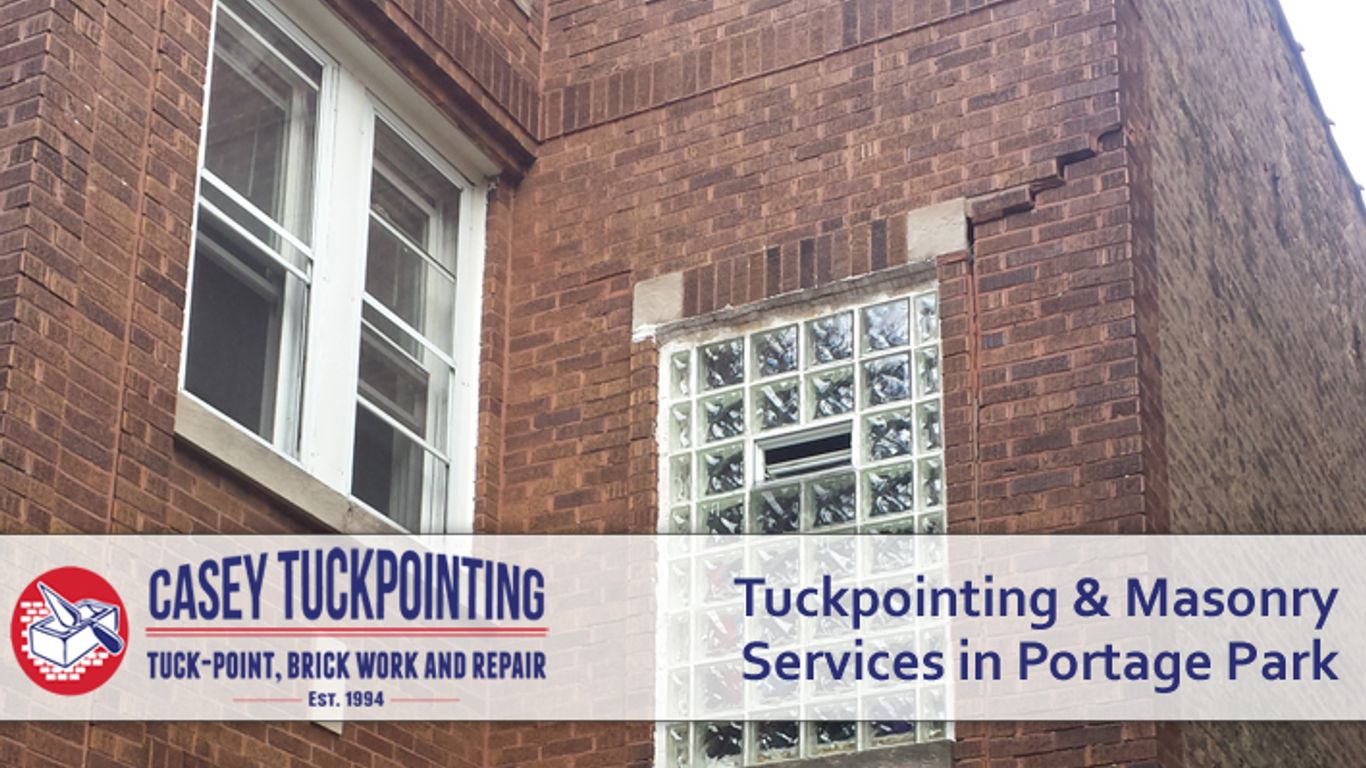
When bricks start looking rough—cracks in the joints, peeling mortar, gaps you can stick a finger through—it’s easy to think, "How do the pros actually fix this?" The brick mortar repair process breaks down into a series of very careful steps—seriously, there’s more to it than just slapping on some fresh cement. Here’s what actually happens when experts tackle the job.
Inspection and Assessment of Masonry
First up, you can’t fix what you haven’t fully checked out. Pros inspect every inch of the brickwork. They’re looking for crumbling mortar, deep cracks, loose bricks, water stains, and signs of more serious trouble like foundation movement. You might not see some issues at first glance, but a thorough assessment helps nip big problems before they get worse.
- Survey for visible and hidden damage
- Note which areas are worst off
- Figure out if it’s just mortar or if bricks themselves are shot
A proper inspection is like detective work; spotting small issues early protects your home’s structure and saves big money down the line.
Proper Removal of Damaged Mortar and Bricks
Nobody just covers up busted mortar. The next step is all about getting rid of any weakened stuff. Using chisels, hammers, or sometimes grinders for faster work, repair techs scrape away old, crumbly joints without beating up the surrounding bricks. If a brick itself is broken or spalled, it comes out, too. That gap gets cleaned up with wire brushes for best results before any new materials go in.
- Rake out all loose or cracked mortar
- Remove seriously damaged bricks one at a time
- Clean dust and debris so new mortar will stick
If you’re curious, there’s a helpful summary of these basics at essential steps for repairing brick mortar.
Matching Mortar for Seamless Repairs
Now comes something people underestimate: getting the mortar mix right. Mortar isn’t one-size-fits-all. The experts have to match the new stuff to what you already have, both in color and how it feels to the touch. That way, the fix doesn’t end up looking like a patch job. Historic homes are especially tricky because you have to blend new into old so it doesn’t ruin the character.
| Factor | Why It Matters |
|---|---|
| Color | Keeps repairs from standing out |
| Texture | Mimics the original joints |
| Strength | Ensures similar weather resistance |
- Adjust mortar for each project
- Test mixes on sample bricks
- Use breathable mortars when needed (prevents future damage)
Tuckpointing Versus Repointing Techniques
With the joints cleaned and mortar picked, it’s time to fill them. Here’s the lingo:
- Tuckpointing: This is a precise method, often using two colors—one to match the brick, and a finer, contrasting line for looks. Think of it as cosmetic surgery for brickwork.
- Repointing: More straightforward. Just pack the joints with fresh mortar for a structural fix, making sure the wall is tight and weather-resistant.
Both techniques restore your home’s strength, but tuckpointing adds that sharp, clean look.
A good contractor can help you choose the best repair method, restoring not only your brickwork but your home’s whole curb appeal.
The whole process, when done by a seasoned pro like Casey Tuckpointing, leaves your wall stronger, better looking, and ready for a whole lot more weather. It really does make a difference having the repairs done right from start to finish.
Choosing the Right Mortar and Materials for Lasting Repairs
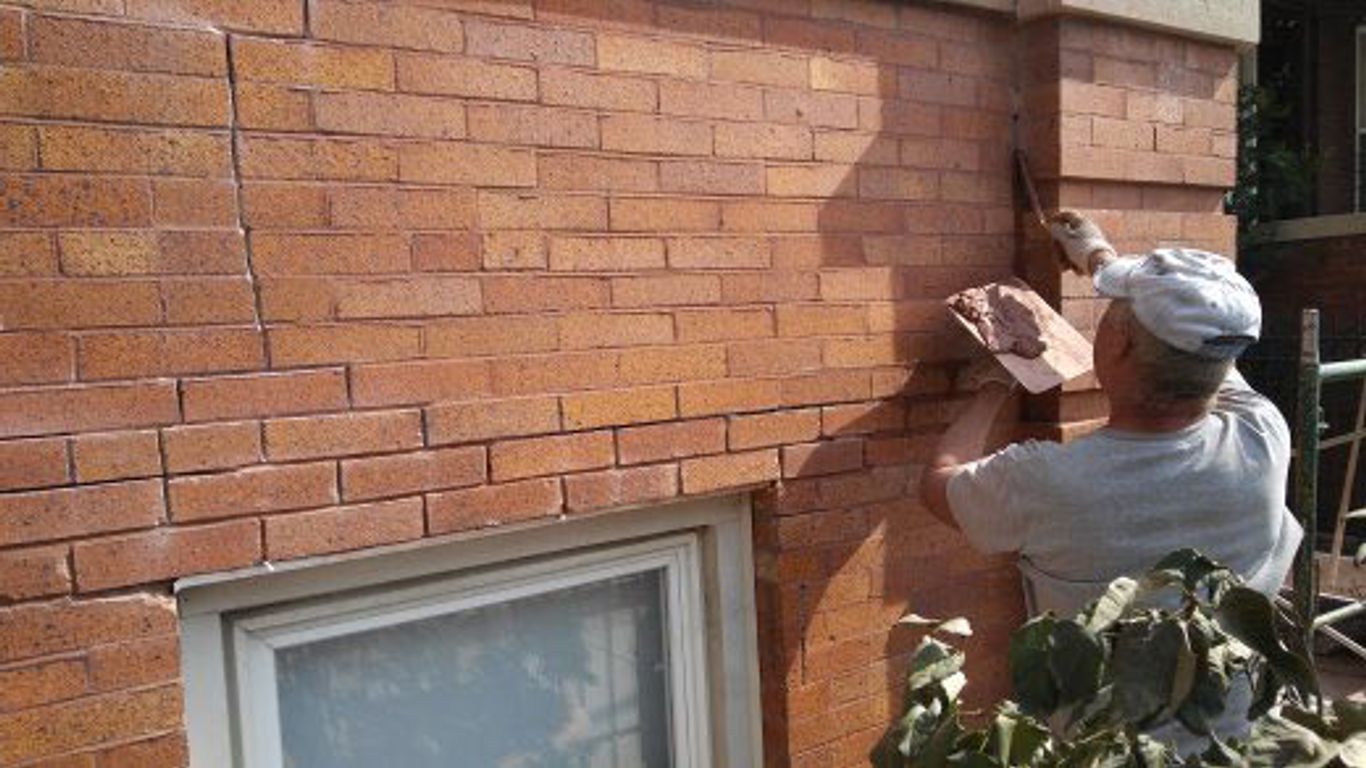
Picking the correct mortar and materials is a big deal when you’re fixing up brickwork. It’s not just about filling gaps; it’s about making sure the repair lasts and looks right. Using the wrong stuff can actually cause more problems down the road, making your bricks and mortar break down faster.
The Importance of Mortar Compatibility
Think of mortar like the glue holding everything together, but it’s also a bit like a skin for your bricks. Bricks and mortar expand and contract with temperature changes, and they both hold moisture. If your mortar is too hard or doesn’t
Expertise Matters: Why Professional Brick Mortar Repair is Essential
Look, fixing up your house can feel like a big project, right? And when it comes to brickwork, it’s easy to think, ‘How hard can it be?’ You see those DIY videos, and they make it look like a breeze. But honestly, when you’re dealing with the structural integrity of your home, messing around with mortar can turn into a real headache, fast. It’s not just about making things look pretty; it’s about keeping your house solid and safe.
Risks of DIY Mortar Repairs
Trying to tackle mortar repair yourself might seem like a good way to save some cash, but it often ends up costing more in the long run. Here’s why:
- Wrong Materials: Using the wrong type of mortar can actually harm your bricks over time. Old bricks need specific mixes that allow them to ‘breathe.’ Get that wrong, and you can cause more damage than you fix.
- Improper Technique: Mortar needs to be mixed just right and applied with the correct pressure and depth. If it’s too wet, too dry, or not packed in properly, it won’t last. You might end up with joints that crumble or crack again way too soon.
- Missing Underlying Issues: A DIYer might just patch up the visible cracks. But what if there’s water damage behind the bricks, or the foundation is settling? A professional sees these bigger problems and knows how to address them, not just cover them up. This kind of oversight can lead to serious structural problems down the line.
When you’re looking at your brick walls, it’s easy to focus on the surface. But professionals have a trained eye for what’s happening beneath the visible signs. They understand how moisture moves, how different materials interact, and what stresses your brickwork is under. This knowledge is what separates a quick fix from a lasting repair.
Skillful Techniques for Structural Longevity
Professionals bring a level of skill that’s hard to replicate. They know how to:
- Carefully Remove Old Mortar: This isn’t just about chipping away. It needs to be done without damaging the surrounding bricks. Tools and techniques vary depending on the age and type of masonry.
- Match Mortar Precisely: Getting the color, texture, and strength of the new mortar to match the old is an art. This is especially important for older homes where a mismatch can really stand out and detract from the historic look. Matching mortar is key to a good repair.
- Apply New Mortar Correctly: This involves packing the mortar tightly into the joints to prevent future water intrusion and ensure a strong bond. They also know how to finish the joints to match the original profile.
Quality Assurance and Safety Considerations
Beyond the technical skills, professionals offer peace of mind. They have the right safety gear and know how to work safely, especially on ladders or scaffolding. Plus, reputable companies often back their work with warranties, giving you confidence that the repair will hold up. They understand the importance of structural soundness and aren’t just looking to complete a job, but to do it right for the long haul.
Restoring Special Features: Brick Chimneys and Architectural Details
Brick chimneys and decorative architectural details are often the most visible parts of a home’s exterior, and they can take a beating from the weather. When these features start to show wear, it’s not just about looks; it’s about keeping your home safe and sound.
Chimney Mortar Joint Restoration
Chimneys are constantly exposed to the elements – rain, snow, wind, and drastic temperature changes. All this can really wear down the mortar between the bricks. You might see cracks, crumbling bits, or even sections where the mortar is completely gone. This is where chimney repointing comes in. It’s basically a process where we carefully remove the old, damaged mortar and replace it with new, matching material. This not only makes the chimney look better but also stops water from getting in and causing more damage. It’s a pretty important job to keep your chimney structurally sound and safe.
Replacing Damaged Bricks in High-Stress Areas
Sometimes, it’s not just the mortar that’s the problem. Individual bricks can get chipped, cracked, or even fall out, especially in areas that get a lot of stress, like the top of the chimney or around openings. Replacing these bricks is key. The process usually involves carefully removing the damaged brick, cleaning out the space, and then setting a new brick in place with fresh mortar. It’s important to use bricks that match the originals as closely as possible, both in size and color, to keep the look consistent. If a large portion of the chimney or a specific section is damaged, say more than 30% of the bricks in one area, it might be better to rebuild that part entirely to make sure it’s strong and safe.
Preserving Decorative Brickwork
Many older homes have beautiful, intricate brickwork that adds a lot of character. Think of things like decorative patterns, quoins, or special brick shapes. When these details start to crumble or break, it’s a real shame. Restoring them requires a delicate touch and a good eye for detail. Professionals will often document these features carefully before starting any work, noting the brick patterns, mortar colors, and overall design. Restoring historical chimneys often involves this kind of meticulous attention to detail. The goal is to repair the damage without losing the original charm and craftsmanship. It’s about making repairs that are both structurally sound and aesthetically pleasing, so your home keeps its unique look.
Going Beyond Repair: Enhancing and Maintaining Your Brickwork
So, you’ve gone through the whole process of getting your brick mortar repaired. That’s great! But the job isn’t quite done yet. Think of it like getting a new paint job on your car; you wouldn’t just leave it at that, right? You’d want to keep it looking sharp. The same goes for your brickwork. Taking a few extra steps now can save you a lot of headaches and money down the road.
Cleaning and Sealing for Longevity
After all the repair work, giving your brickwork a good clean is a smart move. It gets rid of any lingering dust or residue from the repairs and really makes the whole wall look fresh. Professionals use specialized tools and cleaning solutions that are tough on grime but gentle on the bricks themselves. They can tackle things like dirt, mold, or even those weird, chalky stains that sometimes show up on brick. A clean facade not only looks better but also helps you spot any new issues before they become big problems.
Once it’s clean, applying a sealant is the next step. Think of sealant as a protective coat. It helps keep water out, which is a major enemy of brick and mortar. It can also help prevent staining from things like pollution or tree sap. Different sealants work for different types of brick, so it’s good to get advice on what’s best for your home.
Waterproofing After Mortar Repairs
Water is sneaky. It can get into tiny cracks and freeze, expand, and really do a number on your mortar and bricks over time. That’s why waterproofing is so important, especially after repairs. It’s not just about keeping rain out; it’s about managing moisture.
Here’s a quick rundown of why it matters:
- Prevents Freeze-Thaw Damage: Water seeps into pores, freezes, expands, and cracks the mortar.
- Stops Water Infiltration: Keeps moisture from getting inside your walls, which can lead to mold and structural issues.
- Reduces Staining: Helps prevent mineral deposits and efflorescence (those white, powdery marks) from forming.
Proper waterproofing is a proactive measure that significantly extends the life of your brickwork and the overall structure of your home. It’s an investment in durability.
Preventing Future Brick and Mortar Deterioration
So, how do you keep your brickwork looking good and strong for years to come? It’s all about regular check-ups and a bit of preventative care. Think of it like going to the dentist – regular cleanings and check-ups catch problems early.
- Regular Inspections: Make it a habit to walk around your house a couple of times a year and just look at your brick walls. Check for any new cracks, crumbling mortar, or loose bricks. Catching these small issues early is way easier and cheaper to fix than waiting until they’re major problems.
- Manage Drainage: Make sure water from your roof and gutters is directed away from your foundation and walls. Standing water near your brickwork can cause all sorts of trouble.
- Mind Your Landscaping: Keep plants and soil from piling up against your brick walls. Roots can sometimes cause damage, and constantly damp soil can lead to moisture problems.
By staying on top of these things, you’re not just maintaining your home; you’re preserving its integrity and beauty for the long haul. It’s about taking care of what you’ve got.
Selecting a Brick Mortar Repair Specialist
So, you’ve figured out your brickwork needs some serious attention. That’s a big step! Now comes the part where you need to find someone who actually knows what they’re doing. It’s not like fixing a leaky faucet; this is about the bones of your house. Picking the right person or company can make all the difference between a repair that lasts for decades and one that starts falling apart after the first rainy season.
Evaluating Expertise and Past Projects
When you’re looking for a specialist, don’t just go with the first name you see. You want someone with a solid track record. Ask to see examples of their previous work. Do they have photos of before-and-after projects, especially ones that look similar to your home’s style or the issues you’re facing? A good contractor will be happy to show you their portfolio. It’s also smart to check out their online presence. A company with a well-maintained [Google Business Profile](https://www.google.com/business/) often indicates professionalism and a commitment to customer satisfaction. Look for reviews there and on other platforms. What are people saying about their quality, timeliness, and how they handle problems?
Questions to Ask Before Hiring a Contractor
Before you sign anything, have a chat with potential contractors. Here are some things you should definitely ask:
- What kind of experience do you have with mortar repair, specifically on homes like mine? (e.g., historic brick, modern construction)
- Can you explain your process for assessing the damage and what materials you plan to use?
- Do you have insurance? (General liability and worker’s compensation are important.)
- Will you provide a detailed written estimate? (This should include labor, materials, and a timeline.)
- Can you provide references from recent clients?
It’s also a good idea to get at least three different estimates. This helps you compare pricing and get a feel for different approaches. Don’t be afraid to ask follow-up questions if something isn’t clear. Remember, you’re hiring them to fix a significant part of your home.
Understanding Warranties and Service Guarantees
This is a big one. A reputable masonry expert will stand behind their work. Ask about their warranty. What does it cover? How long does it last? Some might offer a warranty on labor, others on materials, and some might cover both. A good warranty is a sign that the contractor is confident in the quality of their repairs. It’s also worth asking if they have a process for handling any issues that might pop up after the job is done. Knowing you have some recourse if something goes wrong provides a lot of peace of mind. You want a repair that’s built to last, and a solid guarantee helps ensure that.
Choosing a specialist isn’t just about finding someone to fill cracks. It’s about finding a craftsperson who understands the materials, the techniques, and the long-term implications for your home’s structure and appearance. Don’t rush this decision; your home’s integrity is worth the effort.
When you need someone to fix your brickwork, finding the right person is key. You want a specialist who knows their stuff and will do a great job. Look for someone with good reviews and experience in fixing mortar. Don’t settle for less when it comes to your home’s appearance and safety. Visit our website today to learn more about our expert brick repair services!
Conclusion
Brick and mortar repair might sound simple, but once you start looking at all the little details—matching colors, getting the joints just right, making sure the wall stays strong—it’s clear this is a job for someone who knows what they’re doing. Trying to patch things up yourself can lead to more headaches down the road, especially if you miss hidden damage or use the wrong materials. Getting an expert in means your home keeps its character, stays protected from the weather, and just looks better overall. If you’ve noticed cracks, crumbling mortar, or bricks that just don’t look right, don’t wait until it gets worse. Reach out to a pro and let them handle it. Your house will thank you, and you’ll have one less thing to worry about.
Frequently Asked Questions
How can I tell if my brick mortar needs repair?
Look for cracks, crumbling, or missing mortar between your bricks. If you see gaps, loose bricks, or pieces of mortar on the ground, these are signs your mortar is damaged. Water stains or mold inside your home can also mean water is getting in through weak mortar joints.
What is the difference between tuckpointing and repointing?
Tuckpointing and repointing both fix mortar between bricks, but they are a bit different. Repointing means removing old, damaged mortar and replacing it with new mortar. Tuckpointing is a special method where a thin line of colored mortar is added on top of the new mortar to make the joints look neat and match the original style.
Can I fix brick mortar myself, or should I hire a professional?
Small repairs might seem easy, but fixing mortar takes skill. If you use the wrong mortar or don’t match the color and texture, the repair can look bad and may not last. Professionals know how to match materials and use the right techniques to keep your brickwork strong and looking good.
How do experts match the color and texture of old mortar?
Experts start by carefully checking your existing mortar to see its color and texture. They use special mixing methods and sometimes even use older recipes or materials to get a close match. This way, the new mortar blends in and keeps the original look of your home.
Why is it important to use the right type of mortar for repairs?
Using the wrong mortar can damage your bricks. Old bricks often need softer, more flexible mortar so they can ‘breathe’ and move a little. If a hard mortar is used, it can trap water and cause the bricks to crack or fall apart. The right mortar helps your wall last longer and stay safe.
How can I keep my brickwork in good shape after repairs?
To keep your brickwork strong, clean it gently every so often and check for new cracks or gaps. You can also seal the bricks to keep out water. Regular inspections by a professional can catch small problems before they turn into big ones.