
So, you’ve got a masonry project lined up, huh? Whether it’s fixing up some old brickwork or starting something new, finding the right person for the job is a big deal. You don’t want just anyone handling your property. We’ve all heard those stories about contractors who didn’t quite deliver, or jobs that took forever. It’s a pain. To help you avoid that headache, here are some pointers on how to pick a good masonry contractor.
Key Takeaways
- Before you even start looking, get a basic idea of the techniques and materials involved in your project. Knowing a little bit helps you talk to potential contractors and understand what they’re proposing.
- Do some homework on what similar work costs in your area. Get a feel for material prices and labor rates. This helps you spot quotes that seem way off.
- Check out what past customers have to say. Testimonials and reviews can give you a good sense of a contractor’s reliability and the quality of their work.
- Don’t be shy about asking for references from previous clients and any certifications the contractor holds. It shows they’re willing to stand by their work.
- Always get a detailed written quote and a formal contract before any work begins. This should lay out everything, from the scope of the job to payment schedules and completion dates.
Get The Necessary Information On Tuckpointing Techniques And Materials
Before you even start looking for a contractor, it’s a good idea to get a basic grasp of what tuckpointing actually involves. You don’t need to become an expert, but knowing a little bit about the process and the materials used can really help you communicate better with potential hires and spot any red flags. It’s like knowing a few basic car terms before taking your car to the mechanic – it just makes the whole experience smoother.
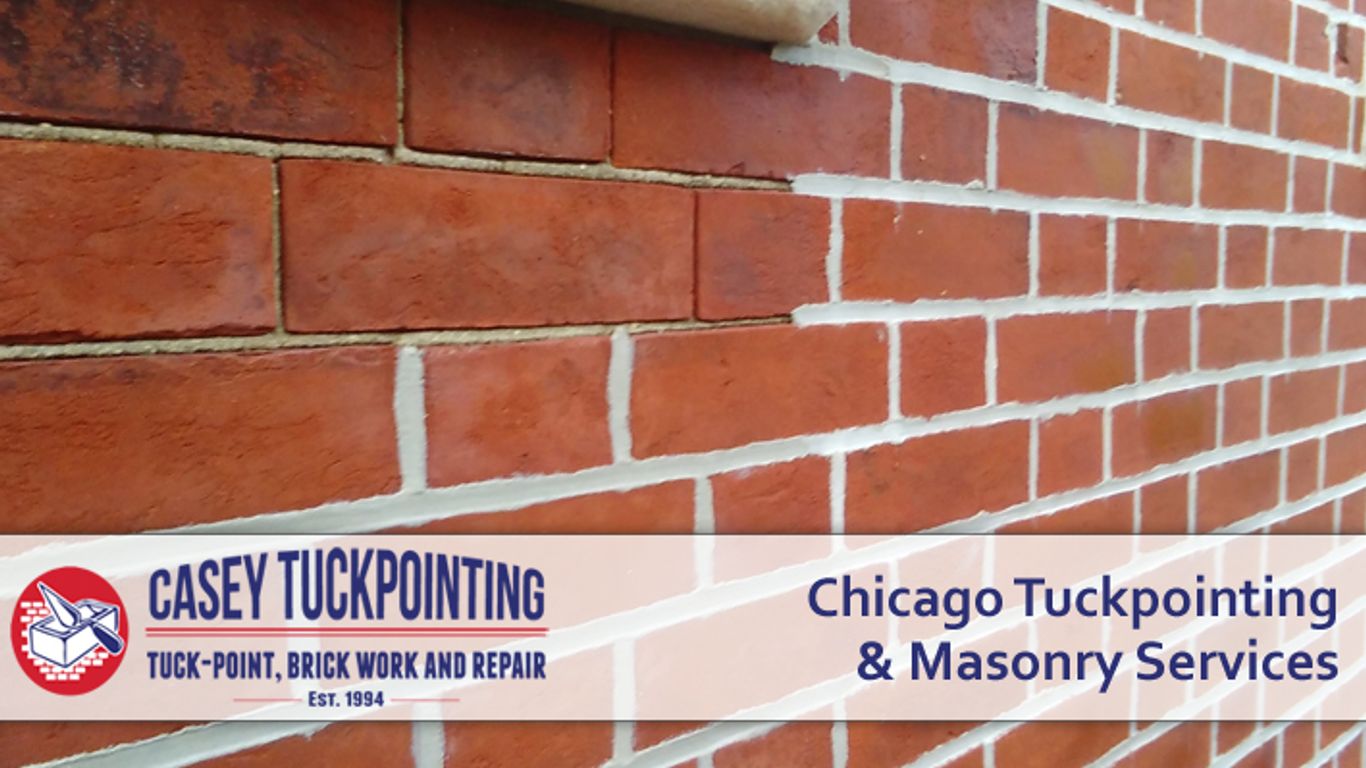
Tuckpointing is essentially a way to repair and refresh the mortar joints between bricks or stones. Over time, this mortar can crumble, crack, or wash away due to weather and age. When that happens, the whole structure can become weaker and look pretty rough. The goal of tuckpointing is to remove the old, damaged mortar and replace it with new, carefully matched material. This not only strengthens the wall but also makes it look much better.
Here are some key things to understand:
- Mortar Types: Mortar isn’t just one thing. It’s usually a mix of cement, lime, and sand, but the proportions can change depending on the age of the building and the type of brick. For older homes, a lime-based mortar might be best, while newer constructions might use a Portland cement mix. Getting this wrong can actually damage the brickwork over time.
- Color Matching: This is a big one. The new mortar needs to match the old mortar as closely as possible. A good contractor will know how to mix pigments to get that perfect shade. If the colors don’t match, you’ll end up with a patchy, unprofessional look.
- Joint Finishing: The way the new mortar is shaped (the "joint") matters too. It should match the original style, whether that’s a simple flat joint or something more decorative. A skilled mason will pay attention to these details.
- Tools and Techniques: Professionals use specific tools to remove old mortar (like grinders or chisels) and to apply and shape the new mortar. They also know about safety precautions, like dust control, which is important.
Understanding these basics will make you a more informed client. It helps you ask the right questions and understand the answers you receive. You can find a lot of helpful information online, from masonry supply websites to contractor blogs. Checking out a contractor’s [Google Business Profile](https://caseytuckpointing.com/) can also give you insights into their services and customer feedback, which is a good starting point for your research.
Make A Cost Estimate
Before you even start talking to contractors, it’s a good idea to get a rough idea of what this kind of work usually costs. You don’t want to be completely blindsided when you get the first quote. Look up average labor rates in your area. For masonry work, you might see figures ranging from $25 to $50 per hour for standard tasks, but more complex jobs can push that up to $120 an hour or even more. Keep in mind that prices can change based on where you live and the specific type of work needed.
Here’s a general breakdown of what influences the price:
- Project Size: Bigger jobs naturally cost more.
- Accessibility: If the area needing work is hard to reach, like a tall chimney, expect higher costs due to special equipment.
- Materials: Some mortar types, especially for historic buildings, are more expensive.
- Labor: Experienced masons often charge more, and their rates can vary by region.
- Season: Scheduling during busy times might mean higher prices.
It’s also smart to get a feel for material costs. For example, if you’re looking at tuckpointing, you’ll need mortar mix, possibly pigments for color matching, and basic safety gear if you were to consider doing any of it yourself (which is usually not recommended for anything beyond the smallest repairs).
Don’t just accept the first number you hear. It’s always best to get a few different estimates from various contractors. This helps you compare not only prices but also what’s included in each quote. A contractor who can’t give you a clear breakdown or seems vague about costs might be a red flag.
Getting a ballpark figure beforehand helps you budget and makes it easier to spot if a contractor’s quote seems way off. You can find general pricing information online, but remember these are just averages. A proper estimate requires the contractor to see the job in person. For a more accurate idea of what your project will cost, you’ll want to get detailed estimates from a few different companies.
Review Testimonials From Former Clients
Checking out what past customers have to say is a really smart move when you’re looking for a masonry contractor. It’s like getting a sneak peek into how a company actually works, not just what they say on their website. Real feedback from people who’ve already used their services can tell you a lot about their reliability, the quality of their work, and how they handle communication.
When you look at testimonials, try to find a few that talk about projects similar to yours. Did they handle tuckpointing on an old brick house well? How was their communication during a larger restoration project? Sometimes, you’ll see patterns in the reviews. For example, a company might consistently get praised for being on time and cleaning up well after the job. On the flip side, watch out for recurring complaints, like missed deadlines or poor communication. It’s also helpful to see if they respond to negative feedback professionally – that shows they care about customer satisfaction even when things go wrong.
Here are some things to look for in client testimonials:
- Quality of Work: Do clients mention the craftsmanship, attention to detail, and how the finished project looks?
- Professionalism: Was the crew respectful, punctual, and easy to work with?
- Communication: Did the contractor keep the client informed throughout the project?
- Timeliness: Was the project completed within the estimated timeframe?
- Problem Resolution: If issues came up, how did the contractor handle them?
Don’t just take the testimonials on a company’s website at face value. While they’re usually positive, it’s a good idea to look for reviews on independent platforms too. Sites like Google Reviews or even local community forums can offer a more balanced perspective. If a contractor has a lot of reviews across different platforms, that’s usually a good sign.
If you’re having trouble finding reviews, don’t hesitate to ask the contractor directly if they can provide references from recent clients. A reputable company should be happy to share contact information for satisfied customers. You can also check out local contractor reviews to see what others in your area are saying.
Ask For References And Certificates
When you’re looking to hire someone for masonry work, it’s a good idea to ask them for references from past clients. This isn’t just about getting a list of names; it’s about getting real feedback from people who have actually used their services. Talking to previous customers can give you a much clearer picture of what to expect.
Here’s what you should aim to find out from references:
- Quality of Work: Did the contractor meet expectations? Was the finished job neat and durable?
- Timeliness: Was the project completed within the agreed-upon timeframe?
- Communication: Was the contractor easy to reach and responsive to questions or concerns?
- Professionalism: How did the crew conduct themselves on the job site?
- Problem Resolution: If any issues came up, how were they handled?
Beyond references, inquire about any certifications the contractor holds. While not always mandatory, certifications can show a commitment to professional development and adherence to industry standards. It’s also worth asking if they have specific training related to the type of masonry work you need done, like tuckpointing or historical restoration. This shows they’re serious about their craft.
It’s important to remember that while documents and references are helpful, they aren’t the only factor. A contractor who is hesitant to provide references or discuss their certifications might be a red flag, suggesting potential issues with transparency or quality. Look for a willingness to share information openly.
Don’t be afraid to ask for proof of their qualifications. A contractor who is confident in their abilities and their past work will be happy to provide you with the information you need to feel comfortable moving forward. You can also check out their past projects to get a visual sense of their capabilities.
Ask For A Quote For The Planned Work
Once you’ve narrowed down your choices and feel good about a few contractors, it’s time to get them to give you a price for the job. This isn’t just about getting a number; it’s about seeing how they communicate and how much detail they’re willing to provide. A good quote should be more than just a lump sum; it should break down the costs involved.
When you ask for a quote, be ready to show them exactly what you need done. If it’s tuckpointing, point out the specific areas. If it’s a larger repair, walk them through it. A contractor who just gives you a price over the phone without seeing the work is usually not the one you want. They really need to see the project in person to give you an accurate estimate. It’s a good idea to get quotes from at least three different companies. This helps you get a feel for the going rates in your area and avoids any surprises later on.
Here’s what you should expect in a detailed quote:
- A clear description of all the work to be done.
- A breakdown of material costs (like mortar, bricks, etc.).
- An estimate of the labor involved.
- A projected timeline for the project, including start and completion dates.
- Information on payment schedules.
- Details about any warranties offered.
Don’t be afraid to ask questions if something in the quote doesn’t make sense. A contractor who is willing to explain everything clearly is a good sign. If a contractor is vague about pricing or the scope of work, that’s a red flag. You want someone who is upfront and transparent about the costs. For example, if they say something like, "We’ll see how much it comes out to," you should probably look elsewhere. Getting a clear, itemized quote is a big step towards a successful project. You can often find contractors who offer convenient online forms to request a quote for masonry services.
A detailed quote isn’t just about the price; it’s a roadmap for the project. It shows the contractor’s professionalism and helps prevent misunderstandings down the line. Make sure it covers everything from materials to timelines and warranties.
Countersign A Contract
So, you’ve talked to a few contractors, checked out their past work, and you’re ready to move forward. The next big step is the contract. This isn’t just a formality; it’s your main protection. A detailed contract makes sure both you and the contractor are on the same page about everything.
What should be in there? A good contract covers:
- The exact scope of the work – what exactly are they going to do?
- A clear cost breakdown and payment schedule – when are payments due, and how much?
- The timeline – when does the work start, and when is it expected to finish?
- Details about materials – who buys them, and who pays?
- Any warranties or guarantees on the work performed.
- What happens if there are delays or issues? This is where you can talk about penalties for missed deadlines.
It might seem like a lot of paperwork, but having all these points hammered out beforehand can save a lot of headaches down the road. It helps prevent misunderstandings and ensures that the project stays on track and within budget. Think of it as the blueprint for your project’s success, just like understanding masonry construction best practices is important for the actual work.
Don’t be afraid to ask questions about anything in the contract that doesn’t make sense. A good contractor will be happy to explain it. If they push back or seem hesitant, that’s a red flag.
Make sure you get a copy of the signed contract for your records. This document is key for effective risk allocation in your construction project.
Check Experience And Reputation
Before you hand over your project, it’s smart to do a little digging into who you’re hiring. You want someone who knows their stuff and has a good name in the community. A contractor’s past performance is usually a pretty good indicator of what you can expect.
Think about it: have they been around for a while? Do people generally seem happy with their work? You can often find this information by:
- Looking at online reviews on sites like Google or Yelp. See what past clients are saying about their communication, timeliness, and the quality of the finished job.
- Asking for references. A good contractor should be willing to provide you with names and numbers of previous customers you can talk to.
- Checking with local building associations or the Better Business Bureau to see if there are any complaints on file.
It’s also worth seeing if they have a solid history in your specific area. For instance, if you’re in St. Paul, you’d want to know if they’ve built a strong reputation there through consistent craftsmanship and lasting client relationships [9a5b].
Sometimes, you’ll hear stories about contractors who disappear halfway through a job or do shoddy work. Taking the time to check out their experience and reputation beforehand can save you a lot of headaches down the road. It’s about finding someone reliable, not just the first name you see.
Don’t be afraid to ask questions about their history. A contractor who is confident in their work will be happy to share details about their experience and why they’re a good choice for your project. You can also start by seeking recommendations from trusted sources like friends or family who have hired masonry services before [0d8f].
Ask About Licenses And Insurance
This is a really important step, don’t skip it. You want to make sure the contractor you hire is legit and won’t leave you high and dry if something goes wrong.
Always ask for proof of their license and insurance. This isn’t just a formality; it protects you.
Here’s why it matters:
- Licenses: A license means the contractor has met certain state or local requirements. It shows they’ve passed some kind of test or met specific standards. Not all states require masonry contractors to be licensed, so it’s even more important to check if yours does. If they aren’t licensed when they should be, that’s a big red flag.
- Insurance: This is huge. You need to know they have at least general liability insurance. This covers damage to your property that might happen while they’re working. Even more critical is worker’s compensation insurance. If one of their crew members gets hurt on your property, this insurance covers their medical bills and lost wages. Without it, you could be held responsible.
You should be able to get copies of their insurance certificates. Don’t be shy about asking for them. A professional contractor will have no problem providing this information. If they hesitate or can’t produce it, it’s best to walk away and find someone else.
Some states have specific minimums for insurance coverage. For example, in Virginia, general liability insurance might need to be at least $100,000 per occurrence [16ce]. It’s good to know what the standard is in your area. This ensures you’re not dealing with someone who is underinsured and puts you at risk. Finding a contractor who is properly insured gives you peace of mind throughout the project [c62e].
Review Past Work
Looking at a contractor’s previous projects is like checking out their resume. It gives you a real sense of what they’re capable of and the kind of results you can expect. Don’t just take their word for it; see the work for yourself.
A strong portfolio showcases the contractor’s skill, attention to detail, and the range of projects they’ve handled. This is where you can spot their specialty, whether it’s intricate tuckpointing, structural repairs, or historical restorations. It’s also a good way to see if their style aligns with what you’re looking for.
Here’s what to look for when reviewing past work:
- Quality of Finish: Examine the mortar joints. Are they neat and consistent? Does the new mortar match the old, or does it stick out like a sore thumb? This is especially important for tuckpointing where aesthetics matter.
- Project Scope: Did they handle projects similar in size and complexity to yours? A contractor who regularly tackles large commercial buildings might be overkill for a small residential repair, or vice versa.
- Problem Solving: Look for examples where they had to deal with challenging issues, like crumbling brickwork, damaged lintels, or deteriorating chimneys. How did they address these problems?
- Cleanliness and Site Management: While not always visible in photos, sometimes testimonials mention how tidy the crew was. A contractor who respects your property during the job is a good sign.
It’s also helpful to see if the contractor has a good online presence, like a well-maintained website or active social media profiles, where they might showcase their projects. This can give you a broader picture of their work and professionalism. Contractor websites can be a great resource for this.
If possible, ask if you can see photos of projects in progress as well as completed ones. This can reveal how they manage the work site and handle different stages of the job. A contractor who is transparent about their past work, including challenges they’ve overcome, is usually a trustworthy one. You can often find examples of their work and client feedback on their business portfolio.
Get Detailed Estimates
So, you’ve talked to a few contractors, maybe even looked at some of their past work. The next big step is getting a clear picture of what this is all going to cost. And I’m not just talking about a ballpark figure scribbled on a napkin. You need a detailed estimate, something that breaks down the costs so you know exactly where your money is going.
A good, detailed estimate should cover more than just the total price. It should list out the materials needed, the labor involved, and any other associated costs. Think about things like permits, disposal fees, or even temporary protection for your property during the work. A contractor who can’t or won’t provide this level of detail might be hiding something, or they just might not be very organized. Either way, it’s a red flag.
Here’s what you should expect to see in a solid estimate:
- Scope of Work: A clear description of exactly what the contractor will do. This should match what you discussed and agreed upon.
- Materials Breakdown: A list of all the materials to be used, including quantities and types (e.g., specific mortar mix, type of brick).
- Labor Costs: An estimate of the hours or days the work is expected to take, and the associated labor rates.
- Permit Fees: If any permits are required, the cost should be included.
- Contingency: Sometimes, unexpected issues pop up. A good estimate might include a small percentage for unforeseen circumstances, but this should be clearly explained.
- Payment Schedule: How and when payments are expected.
Don’t be afraid to ask questions if something in the estimate doesn’t make sense. A professional contractor will be happy to explain it to you. If they get defensive or brush off your questions, that’s a sign to maybe look elsewhere. Getting precise masonry estimating services can help ensure you’re comparing apples to apples when you get quotes from different companies.
It’s also a good idea to get estimates from at least three different contractors. This way, you can compare not only the prices but also the details of what’s included. If one estimate is significantly lower than the others, try to figure out why. Are they cutting corners on materials? Or maybe they just misunderstood the scope of the work? Understanding these details is key to making an informed decision and avoiding surprises down the road. You can find resources that offer masonry estimating services to help contractors provide these detailed breakdowns.
Want to know how much your project will cost? We can help you figure that out. Get a clear idea of the expenses involved. Visit our website today to get a free estimate and learn more about our services.
Wrapping It Up
So, finding the right person for your masonry job might seem like a lot, but it’s really about doing your homework. You want someone who knows their stuff, is upfront about costs, and has happy customers to prove it. Don’t forget to get everything in writing with a clear contract. Taking these steps means you’re much more likely to end up with a job well done, without all the headaches. Happy building!
Frequently Asked Questions
What is tuckpointing and why is it important?
Tuckpointing is a way to fix the mortar, which is the stuff that holds bricks together. Over time, this mortar can crumble or crack. Fixing it keeps your walls strong and stops water from getting in, which can cause more damage. It also makes your building look much better!
How can I tell if I need a masonry contractor?
Look for signs like cracks in the mortar between bricks, crumbling bits of mortar on the ground, or bricks that seem loose. If you see these issues, especially if they are getting worse, it’s a good idea to call a professional.
What should I look for when choosing a contractor?
First, make sure they have experience and a good reputation. Ask to see examples of their past work. It’s also smart to check if they are licensed and insured, so you’re protected. Reading reviews from other customers can also give you a good idea of their quality.
Should I get multiple estimates?
Yes, definitely! It’s wise to get quotes from at least a few different contractors. This helps you understand the average cost for the job in your area and makes sure you’re getting a fair price. Don’t just go with the first one you talk to.
What should be included in a contract?
A good contract should clearly state everything: the total cost, exactly what work will be done, when the job will start and finish, and how you’ll pay. It should also mention any warranties and what happens if the work is delayed. Having everything in writing prevents misunderstandings later.
Can I do some masonry repairs myself?
For very small things, like cleaning or fixing a tiny crack, you might be able to do it yourself. But for bigger jobs like tuckpointing, replacing many bricks, or dealing with structural problems, it’s much safer and better to hire a professional who has the right skills and tools.