
Your chimney is a pretty important part of your house, not just for looks but also for venting smoke. But just like anything else, it can have problems. One common issue that homeowners run into is leaks, and often, the culprit is the chimney flashing. This metal stuff around where the chimney meets the roof is supposed to keep water out, but over time, it can get damaged. When that happens, you’ve got a problem on your hands that needs attention. Ignoring it can lead to bigger issues, so it’s good to know what to look for and why getting it fixed is a smart move.
Key Takeaways
- Chimney flashing is the metal barrier around your chimney that stops water from getting into your house. It’s super important for preventing leaks.
- You might have a flashing problem if you see water stains on your ceiling, walls, or around the fireplace, or notice damp spots in the attic.
- Things like old age, bad weather, and poor installation can damage flashing, leading to leaks and potential water damage inside your home.
- Getting professional chimney flashing repair is a smart idea because these pros know exactly what they’re doing and can fix it right the first time.
- Fixing flashing issues early saves you money in the long run by preventing more serious water damage, structural problems, and mold.
Understanding Chimney Flashing Repair
The Critical Role of Chimney Flashing
So, what exactly is chimney flashing, and why is it such a big deal? Think of flashing as the unsung hero of your chimney system. It’s that thin, usually metal, material installed where the chimney meets the roof. Its main job is to act as a barrier, stopping water from getting into your home. Water is sneaky, and it loves to find any little crack or gap. Without proper flashing, rain and snowmelt can easily seep down into your attic, walls, and even your foundation. This can lead to all sorts of problems, from mold growth to serious structural damage. The flashing is your first line of defense against water intrusion around your chimney. It’s designed to direct water away from vulnerable areas, keeping your home dry and sound.
Recognizing Signs of Damaged Flashing
How do you know if your chimney flashing is doing its job, or if it’s time for some attention? You’ve got to keep an eye out for a few tell-tale signs. Inside your home, look for water stains on ceilings or walls, especially near the fireplace or chimney. You might also notice peeling paint or wallpaper in those areas. On the outside, check the flashing itself. Is it cracked, rusted, or pulling away from the chimney or roof? Sometimes, you might see small bits of metal or sealant on the ground near your chimney. Even small gaps or loose sections can let water in. It’s like a tiny hole in a boat; it might not seem like much, but it can cause big problems over time. If you see any of these issues, it’s a good idea to get it checked out.
Why Professional Chimney Flashing Repair Is Essential
Now, you might be thinking, "Can’t I just patch this up myself?" While some DIY fixes might seem tempting, chimney flashing repair is usually best left to the pros. Why? Well, for starters, working on a roof can be dangerous. Professionals have the right safety equipment and know-how to do the job safely. Plus, they have a deep understanding of how different roofing and chimney materials work together. They know the best materials to use for repairs and how to install them correctly so they last. Getting it wrong can actually make the problem worse, leading to more costly repairs down the line. A professional will also be able to spot other potential issues you might miss, like problems with the chimney cap or deteriorating mortar joints. Checking out a contractor’s Google Business Profile can give you a good idea of their reputation and past work. It’s about getting the job done right the first time to protect your home.
Here are a few reasons why hiring a professional is the way to go:
- Safety: Roof work is inherently risky. Professionals are trained and equipped to handle it.
- Expertise: They understand the complexities of chimney and roof systems.
- Durability: Proper installation means the repair will last longer, saving you money in the long run.
- Warranty: Many professionals offer warranties on their work, giving you peace of mind.
Dealing with water leaks around your chimney isn’t just an annoyance; it’s a serious threat to your home’s structure and your family’s health. Ignoring the problem allows moisture to spread, potentially causing rot, mold, and weakening the very bones of your house. That’s why addressing flashing issues promptly is so important.
Common Causes of Chimney Leaks
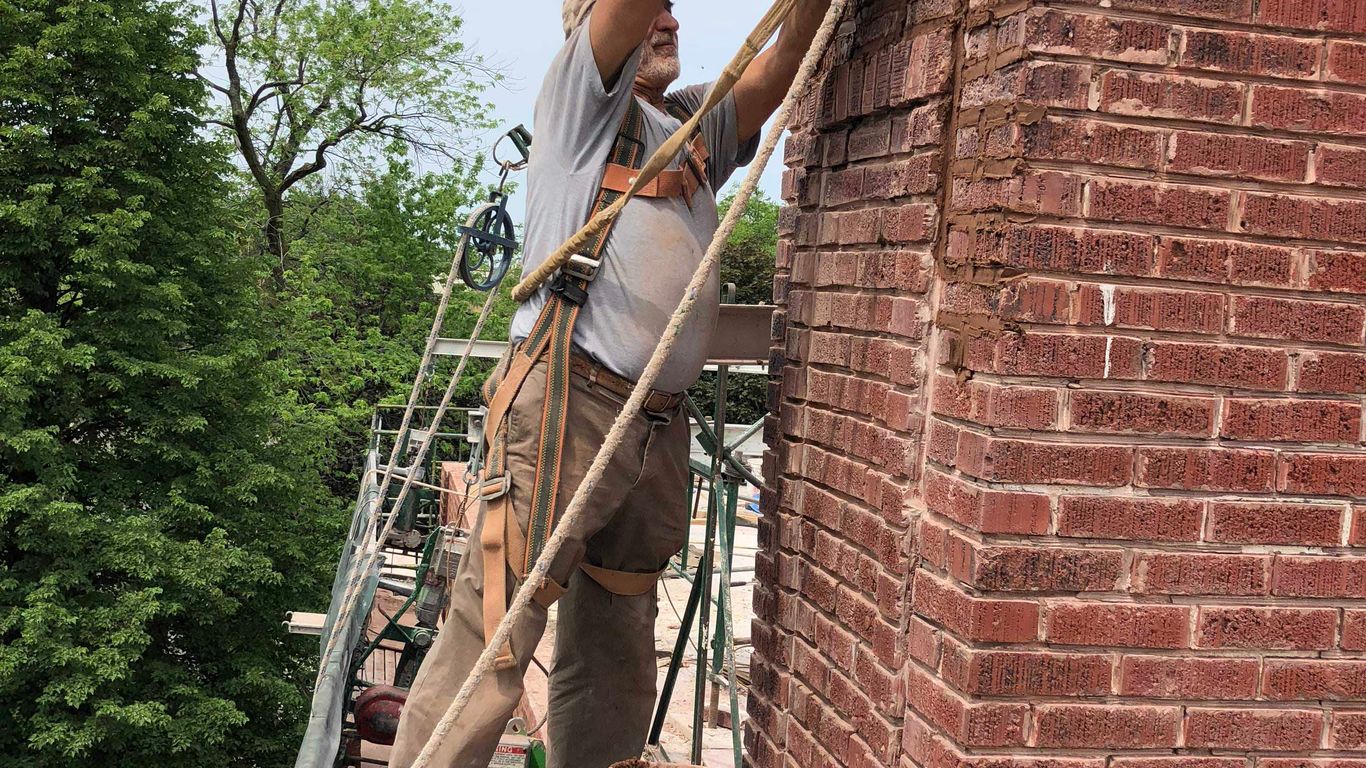
Chimneys are tough, but they aren’t invincible. Over time, a lot of things can go wrong that let water sneak in, causing all sorts of headaches. It’s not just about a little drip; these issues can lead to bigger problems if you don’t catch them early.
Deteriorated Mortar Joints
Mortar is the stuff that holds your bricks together. Think of it like the glue in a puzzle. When that glue starts to crumble or crack, water can easily find its way in. This happens for a few reasons. First, the weather beats down on it constantly – rain, snow, ice, you name it. Especially in places with cold winters, water can freeze and expand inside tiny cracks, making them bigger. This is called the freeze-thaw cycle, and it’s rough on mortar. Over many years, even without freezing, the mortar just wears down. You might see little bits of mortar on the ground below your chimney, or notice that it feels crumbly if you poke it. When mortar joints fail, water gets a direct path into your chimney’s structure. This can lead to bricks becoming loose or even falling out, and it’s a common reason for leaks inside your home.
Cracked or Spalling Bricks
Sometimes, it’s not just the mortar that’s the problem; the bricks themselves can get damaged. Bricks can crack for similar reasons as mortar – weather, impact, or just age. A more specific issue is called spalling. This happens when water gets into the pores of the brick, then freezes and expands. It causes the outer layer of the brick to chip or pop off. You might see chunks missing from the bricks, or the surface might look rough and damaged. Spalling bricks are more porous, meaning they soak up even more water, creating a cycle of damage. If you have spalling bricks, they’re not doing their job of protecting the inside of your chimney, and water can get through them much easier.
Damaged Chimney Caps and Crowns
Your chimney cap is the metal or stone cover on top of your chimney. It’s supposed to keep rain, snow, and animals out. The crown is the concrete slab that slopes away from the chimney liner at the very top. If either of these is cracked, loose, or missing pieces, water has a wide-open invitation to pour right down into your chimney. A damaged cap might have holes or be bent, while a cracked crown can look like a broken plate. These are pretty obvious entry points for water, and they need to be fixed quickly to stop leaks from starting at the top.
Improperly Sealed Flashing
Flashing is the thin metal material installed where the chimney meets the roof. Its job is to create a watertight seal, preventing water from getting into that vulnerable joint. Think of it like a raincoat for your chimney where it sticks out of your roof. Over time, this flashing can get damaged by weather, rust, or even just shift slightly. If the seal isn’t tight anymore, water can seep down along the flashing and into your attic or the walls of your house. This is a really common place for leaks to start, and it’s why proper roof flashing is so important for the whole house.
Water getting into your chimney isn’t just an annoyance; it can cause serious structural damage over time. It can weaken the bricks and mortar, lead to mold growth inside your home, and even affect your home’s energy efficiency. Addressing these issues promptly is key to protecting your investment.
The Chimney Flashing Repair Process
Inspection and Assessment of Flashing
Before any work begins, a thorough inspection is key. This isn’t just a quick look; it involves getting up close and personal with your chimney and roofline. We’re checking every inch of the flashing, looking for any signs of wear, damage, or improper installation. This includes checking for cracks, rust, loose sections, or areas where water might be getting behind the metal. Sometimes, the problem isn’t just the flashing itself but also the surrounding materials, like deteriorated mortar joints or damaged bricks. A detailed assessment helps us figure out exactly what needs fixing and how extensive the job will be. It’s like a doctor giving you a check-up before deciding on a treatment plan.
Removing Old or Damaged Flashing
Once we know what we’re dealing with, the next step is carefully removing the old, damaged flashing. This has to be done with precision. We don’t want to cause any more damage to your roof or chimney during this process. Depending on how it was installed, this might involve prying up shingles, cutting away old sealant, or carefully detaching the metal itself. If there’s any damaged brick or mortar right around the flashing area, we’ll address that now too. It’s important to get a clean slate to work with.
Installing New, Weather-Resistant Flashing
This is where the real protection comes back. We install new flashing, making sure it’s made of durable, weather-resistant material. The type of material often depends on your roof and local climate, but common choices include aluminum, copper, or galvanized steel. The new flashing is carefully fitted and secured, often tucked under shingles and sealed properly against the chimney masonry. Properly installed flashing creates a watertight barrier that directs water away from your home. This step is critical for preventing future leaks. For a comprehensive approach to fixing flashing issues, you might find a 10-step guide helpful.
Sealing and Waterproofing the Repair Area
Finally, after the new flashing is in place, we seal everything up. This involves using high-quality sealants and sometimes additional waterproofing materials around the edges where the flashing meets the chimney and roof. This extra layer of protection makes sure that even if water tries to find a way in, it’s blocked. We want to make sure the entire area is secure and protected against the elements for years to come. This attention to detail is what separates a good repair from a great one, giving you peace of mind.
Benefits of Timely Chimney Flashing Repair
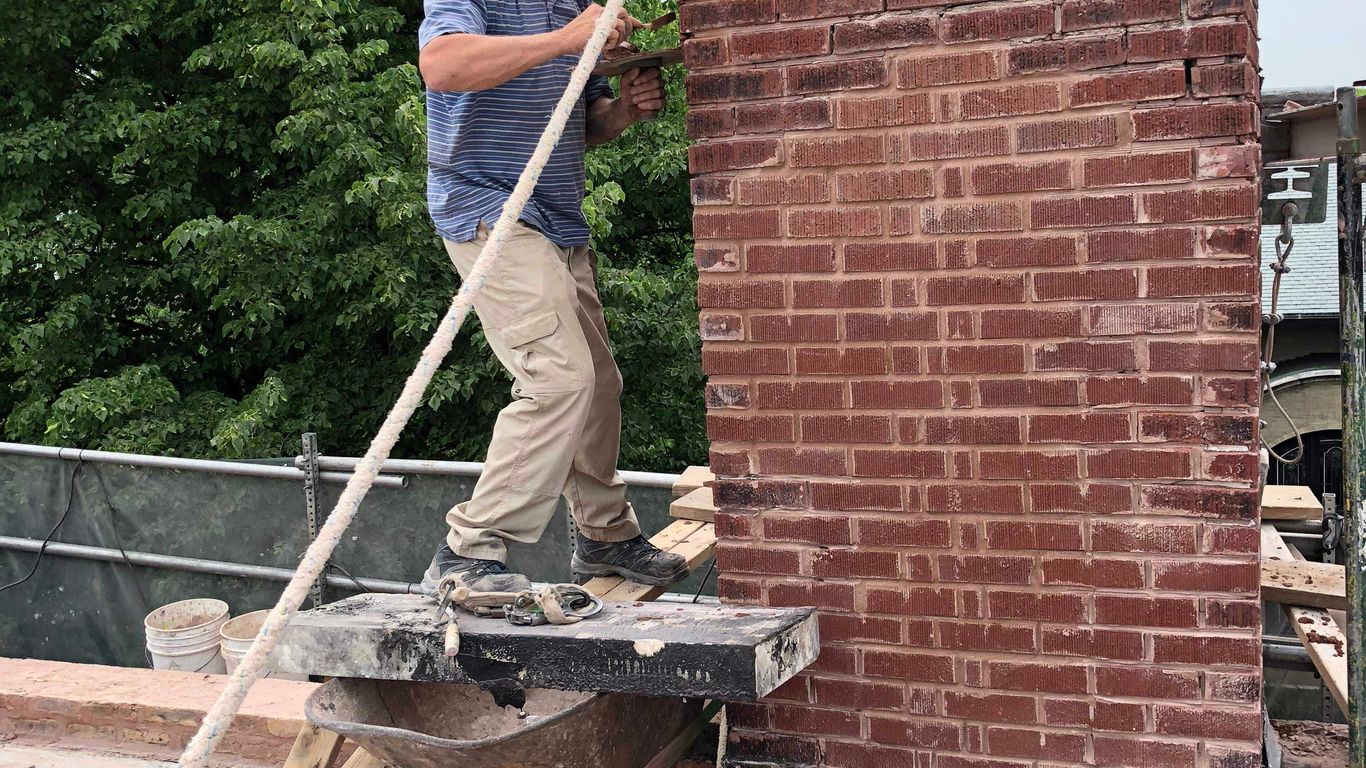
Ignoring your chimney flashing can lead to a cascade of problems, and honestly, nobody wants that. When flashing starts to fail, it’s like leaving the front door wide open for water to sneak into your home. Fixing it sooner rather than later really pays off.
Preventing Water Damage to Your Home
This is probably the biggest reason to get your flashing fixed. Water getting behind your flashing can seep into your attic, walls, and even your foundation. Over time, this moisture can cause all sorts of headaches. We’re talking about mold growth, which is no fun for your health or your home’s air quality. It can also rot wooden beams and insulation, leading to some seriously expensive repairs down the line. Plus, that constant dampness can make your paint peel and your drywall sag. The best way to avoid these costly issues is to address flashing problems as soon as you spot them.
Protecting Structural Integrity
Think of your chimney as a major part of your home’s structure. When water gets in through bad flashing, it doesn’t just sit there. It can freeze and expand in the winter, cracking bricks and damaging the mortar. This process, called spalling, weakens the entire chimney. A compromised chimney isn’t just unsightly; it can become a safety hazard. Regular inspections and prompt repairs help maintain the chimney’s strength and stability, protecting the masonry structure from long-term damage.
Improving Energy Efficiency
It might not seem obvious, but your chimney flashing actually plays a role in how well your home holds heat. When flashing is damaged, it can create small gaps. These gaps let conditioned air escape your home during the summer and allow cold air to sneak in during the winter. This means your heating and cooling systems have to work overtime, driving up your energy bills. Keeping your flashing in good shape helps seal up your home, making it more comfortable and saving you money on utilities.
Enhancing Curb Appeal and Home Value
Let’s be honest, a home that looks well-maintained is just more pleasant to live in, and it’s more attractive to potential buyers. A chimney with visibly damaged or deteriorating flashing doesn’t exactly scream "curb appeal." Addressing flashing issues not only prevents damage but also makes your home look tidier and more cared for. This attention to detail can make a surprising difference in how your home is perceived and can contribute positively to its overall market value. It shows you’re a homeowner who takes pride in their property.
Choosing the Right Professional for Chimney Flashing Repair
So, you’ve figured out your chimney flashing needs some serious attention. That’s a big step! But now comes the tricky part: finding someone who actually knows what they’re doing. It’s not like picking a new coffee maker; this is about protecting your home from water damage, and you don’t want to mess it up.
Experience in Masonry and Roofing
When you’re looking for someone to fix your chimney flashing, you want a pro who’s got a solid background in both masonry and roofing. Why? Because chimney flashing sits right at the intersection of these two worlds. A mason knows the bricks and mortar, how they’re put together, and what kind of stress they can handle. A roofer understands how water flows off a roof and how different materials work together to keep things dry. Someone who’s good at both is going to see the whole picture.
- Look for contractors who can show you examples of past chimney flashing jobs. Did they just slap some sealant on, or did they properly integrate new flashing with the existing brickwork and roofing?
- Ask about their experience with different types of flashing materials. Metal (like aluminum, copper, or galvanized steel) is common, but knowing how to work with each is key.
- Inquire about their knowledge of brick and mortar. Can they spot potential issues with your chimney structure that might affect the flashing repair?
Understanding of Local Climate Challenges
This is a big one, especially if you live somewhere with wild weather swings. What works in Arizona might not cut it in Chicago. A good contractor will know how your local climate affects building materials and how to prepare your chimney flashing for it.
A contractor familiar with your area will understand the impact of freeze-thaw cycles, heavy rain, or intense sun on flashing materials and masonry. They can recommend solutions that are built to last in your specific environment, preventing premature wear and tear.
Proper Licensing and Insurance
This might sound boring, but it’s super important. A licensed and insured contractor means they’ve met certain standards and, if something goes wrong, you’re protected. It’s not just about legality; it’s about accountability. You don’t want to end up footing the bill for an accident or shoddy work.
Positive Customer Reviews and Testimonials
What are other people saying? Online reviews and testimonials can give you a real feel for a company’s reliability and the quality of their work. Look for consistent praise regarding their professionalism, punctuality, and the effectiveness of their repairs. If you see a lot of complaints about leaks returning or poor communication, that’s a definite red flag. Getting multiple quotes is always a smart move, too. For instance, the cost of replacing chimney flashing can vary, with professional services often ranging from $200 to $1,600, depending on the complexity and location [b753].
When it’s time to fix your chimney’s flashing, finding the right expert is key. You want someone who knows what they’re doing to keep your home safe and dry. Don’t let a small leak turn into a big problem. Visit our website today to learn more about our services and how we can help you!
Don’t Let Leaks Ruin Your Home
So, dealing with chimney flashing might not be the most exciting thing, but it’s super important. When that flashing starts to go, water can sneak in places it really shouldn’t, causing all sorts of headaches from mold to serious structural problems. It’s way better to catch these issues early. If you see any signs of trouble, like water spots or dampness around your chimney, it’s probably time to call in someone who knows what they’re doing. Getting that flashing fixed right means keeping your home dry and safe, and honestly, that’s worth a lot.
Frequently Asked Questions
What exactly is chimney flashing, and why is it so important?
Chimney flashing is like a protective shield made of metal that goes around the base of your chimney where it meets the roof. Its main job is to stop water from getting into your house through that connection. Think of it as a raincoat for your chimney’s connection to your roof. Without it, rain and snowmelt could easily sneak in, causing all sorts of problems inside your home.
How can I tell if my chimney flashing is damaged or needs repair?
Keep an eye out for a few signs. You might see water stains on your ceiling or walls near the chimney, or maybe even on the attic floor. Sometimes, you’ll notice rust or corrosion on the flashing material itself. If you see loose, bent, or missing pieces of flashing, that’s a clear sign something’s wrong. Even small cracks or gaps can let water in.
What happens if I don’t fix my chimney flashing problems?
Ignoring damaged flashing is a bad idea. Water getting into your home can lead to serious issues like mold growth, which is unhealthy. It can also damage the wooden parts of your roof and ceiling, leading to rot. Over time, this water can weaken the chimney itself and even the surrounding structure of your house, leading to much bigger and more expensive repairs down the road.
Can I fix my chimney flashing myself?
While some DIY projects are manageable, chimney flashing repair is usually best left to the pros. It involves working on your roof, which can be dangerous. Plus, getting the flashing installed or repaired correctly requires specific knowledge and tools to ensure it’s completely waterproof. A professional has the experience to do it right the first time.
How often should I have my chimney flashing checked?
It’s a good idea to have your chimney flashing inspected at least once a year, especially after harsh weather like heavy storms or snow. Many roofing and chimney professionals recommend checking it during your regular chimney sweep or roof maintenance. Catching small issues early can save you a lot of trouble and money.
What’s the difference between flashing and tuckpointing?
They’re both important for chimney health but do different jobs. Flashing is the metal barrier that stops water from getting in where the chimney meets the roof. Tuckpointing, on the other hand, is about repairing the mortar (the ‘glue’ between bricks) on the chimney itself. If the mortar cracks or crumbles, water can get in through those gaps, and tuckpointing fixes those mortar issues.