
If you’re thinking about tuckpointing in Chicago, here are the most important things to remember.
Key Takeaways
- Tuckpointing fixes old or damaged mortar between bricks, keeping your walls strong.
- Chicago’s weather is tough on masonry, so regular tuckpointing helps prevent water leaks and damage.
- Hiring a skilled, local contractor is the best way to get a good match on color and style.
- Professional tuckpointing saves time and money by avoiding common DIY mistakes.
- Well-done tuckpointing can boost your property’s value and improve its appearance.
Understanding The Tuckpointing Process In Chicago
Tuckpointing is more than just patching up old bricks—it’s a hands-on process that gives aging masonry new life. In Chicago, with its wild weather swings and rich architectural heritage, doing tuckpointing right makes all the difference for your property’s durability and curb appeal. Here’s how the process unfolds, step by step:
Initial Assessment Of Your Masonry
A proper tuckpointing job in Chicago always starts with a close-up evaluation:
- Inspectors look for cracks, crumbling joints, missing mortar, and signs of water entry.
- They check the condition of the bricks—if bricks themselves are falling apart, tuckpointing might not be enough.
- The mortar’s color and composition are analyzed so that new repairs blend right in with the old work.
The goal is to develop a repair plan that’s specific to your building’s real needs, not just a generic patch-up.
Essential Preparation Steps
Good prep is what separates a lasting repair from a quick fix:
- Old, loose, or damaged mortar is carefully ground or raked out with specialized tools, down to a set depth.
- The brick faces and joints are cleaned free of dust, moss, or grime using brushes or gentle washing.
- Work areas—especially landscaping, windows, and entrances—are protected to prevent accidental damage and keep things tidy.
- If the original mortar is rare (common in Chicago’s historic neighborhoods), the crew will mix a custom batch to match for both strength and a clean look.
Skipping a step might save time, but it always comes back to haunt you. Prepping right is what helps those new mortar lines seal out wind and water.
Applying New Mortar With Precision
Now comes the most meticulous part:
- The new mortar is packed tightly into the open joints, making sure there are no air gaps.
- The color and texture must match so the repair is invisible from a distance.
- Excess mortar is cleaned off the surrounding brick before it can stain or stick.
- Top pros use specialty tuckpointing tools for sharp lines and a pro look.
- Once the mortar cures, the seams are sealed if needed to help block out water and Chicago freeze-thaw cycles.
Table: Basic Steps in Chicago Tuckpointing
| Step | What Happens |
|---|---|
| Assessment | Inspect brick/mortar, analyze needs |
| Preparation | Remove loose mortar, clean brick, protect area |
| Mortar Application | Install custom mortar, smooth joints, clean lines |
| Curing & Clean-Up | Allow to set, seal if needed, tidy up |
It might seem straightforward on paper, but getting it right—especially in a city like Chicago—means experience counts. If you want to check out a contractor’s reputation, peek at their Google Business Profile to see real feedback from other property owners before moving forward.
Why Tuckpointing Is Crucial For Chicago Properties
Chicago’s buildings, many of them brick, face a lot of weather. The wind off the lake, the freezing winters, and the humid summers all take a toll on mortar. When that mortar starts to break down, it’s not just about looks; it’s about the health of your whole building. Ignoring deteriorating mortar can lead to some serious problems down the line.
Protecting Against Water Damage
Think of the mortar in your brick walls as the sealant. When it cracks or crumbles, water finds its way in. This might not seem like a big deal at first, but that moisture can cause a lot of damage over time. It can seep into the bricks themselves, leading to spalling, where the surface of the brick flakes off. It can also get into the wall cavity, potentially causing mold or rot in wooden structures behind the brick. Tuckpointing seals up these gaps, creating a barrier that keeps water out and protects your property from these issues. It’s a key part of preventing water damage to your masonry.
Preserving Structural Integrity
Weakened mortar means a weaker wall. The mortar isn’t just there to hold bricks together; it distributes the load and helps the wall act as a single unit. When it deteriorates, the bricks can shift, and the wall can lose its stability. This is especially true in older buildings common in Chicago neighborhoods. Addressing mortar issues through tuckpointing helps maintain the strength and soundness of your building’s structure, preventing more costly and complex repairs later on. It’s about keeping your building safe and secure.
Enhancing Curb Appeal
Let’s be honest, a building with cracked, crumbling mortar doesn’t look its best. It can make a property seem neglected, which isn’t the impression anyone wants to give. Freshly pointed mortar joints make a huge difference. They create clean lines, give the brickwork a uniform look, and make the entire building appear well-maintained and cared for. This improved appearance not only makes your property more pleasant to look at but can also boost its overall market value. It’s a visible sign that you take pride in your property.
Choosing The Right Tuckpointing Contractor In Chicago
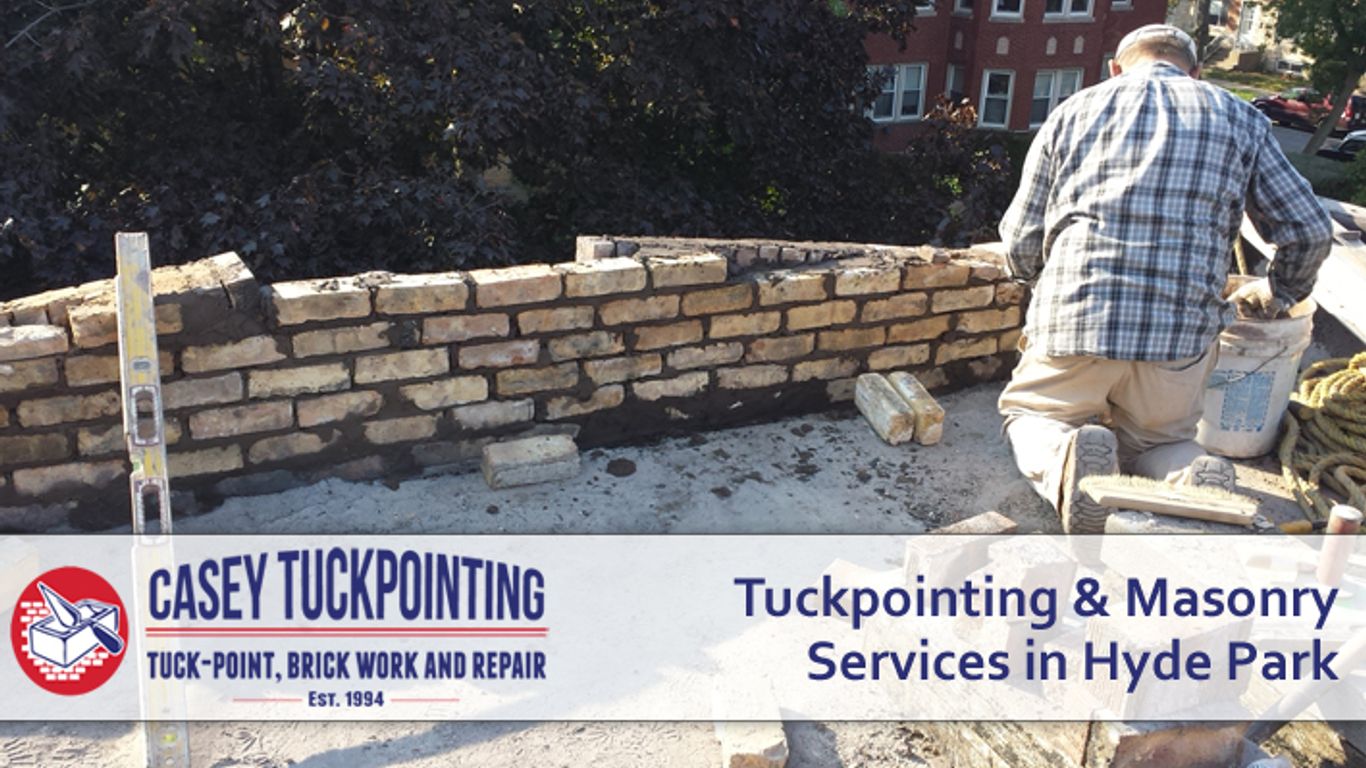
Finding the right person to handle your tuckpointing project is a big deal. It’s not just about making your building look good; it’s about making sure it stays strong and protected from the weather. You wouldn’t hire just anyone to fix your roof, right? The same goes for your masonry. A good contractor will have a solid understanding of how to work with different types of brick and mortar, especially here in Chicago where we have so many historic buildings.
Reviewing Portfolios And Credentials
Before you even pick up the phone, take some time to look at who you might want to hire. A contractor’s portfolio is like their resume for masonry work. You want to see pictures of jobs they’ve done, especially ones that look similar to your building. Pay attention to how neat the mortar lines are and if the new mortar blends in well with the old. It’s also smart to check if they have any certifications or belong to professional groups. This shows they take their work seriously. You can often find lists of top-rated tuckpointing services in Chicago to get you started.
Requesting Multiple Quotes
Once you’ve narrowed down your list, it’s time to get some prices. Don’t just go with the first quote you get. Ask at least three different contractors to come out and give you an estimate. This helps you get a feel for the average cost of the work in your area and what different companies include in their price. Make sure each quote is detailed, listing out exactly what work will be done, the materials they plan to use, and the estimated timeline. This way, you can compare apples to apples and avoid any surprises down the road.
Discussing Materials And Timing
This is where you really get into the nitty-gritty. Talk to the contractors about the type of mortar they plan to use. For older buildings, using the wrong kind of mortar can actually cause damage over time. A good contractor will know this and be able to explain why they’re choosing a specific mix. They should also be able to match the color and texture of your existing mortar. Ask them about the best time of year to do the work. Tuckpointing needs dry weather to cure properly, so they might suggest avoiding the dead of winter or the height of summer. Getting this right means your repairs will last much longer. Remember, professional brick wall construction in Chicago is built to last, and proper tuckpointing is key to that longevity.
Choosing a contractor isn’t just about finding the cheapest option. It’s about finding someone who understands your building’s needs, uses the right materials, and has the skill to do the job right the first time. This investment protects your property and keeps it looking its best for years to come.
The Benefits Of Professional Tuckpointing Services
Expertise and Experience
Look, trying to fix up your brickwork yourself might seem like a good idea at first. You see those videos online, and it looks pretty straightforward, right? But honestly, it’s a whole different ballgame when you’re actually up there with the tools. Professionals bring a level of skill that’s hard to match. They’ve seen it all – different types of brick, various mortar mixes, and all sorts of weather damage. They know how to properly prepare the joints, mix the mortar to the exact right consistency, and apply it so it looks good and lasts. It’s not just about slapping some new stuff in there; it’s about understanding the masonry and making a repair that fits right in. For really solid work, you want someone who does this for a living, not just as a weekend project. They understand the nuances of restoring mortar joints to their original condition.
Quality Workmanship
When you hire a pro, you’re paying for more than just their time; you’re paying for a job done right. They have the right tools, the right materials, and most importantly, the right know-how. This means the mortar will match your existing brickwork, the joints will be neat and even, and the repair will hold up against Chicago’s tough weather. You won’t have to worry about the new mortar crumbling after the first winter or looking out of place. It’s about getting a result that not only looks good but also adds real protection to your building. Think of it as an investment in your property’s future.
Time and Cost Efficiency
Sure, you might think doing it yourself saves money. But have you ever factored in the cost of mistakes? Buying the wrong materials, messing up the application, and then having to hire someone to fix your DIY attempt can end up costing way more than just hiring a professional from the start. Plus, think about your time. Tuckpointing can be a pretty involved job. Professionals can usually get it done much faster because they’re experienced and have a team. This means less disruption for you and a quicker return to enjoying your home’s improved appearance. It’s often more cost-effective in the long run to get professional tuckpointing services done right the first time.
Addressing Common Tuckpointing Challenges
Chicago’s climate and historic buildings can make tuckpointing feel like a puzzle that’s always missing a piece. If you’re dealing with an old brick home in the city, certain challenges pop up again and again—tough mortar matching, weird city code rules, and the headache of constant freeze-thaw cycles. Here’s how pros deal with them, and what you should look out for.
Matching Historic Mortar
Getting the mortar to look and perform like the original is harder than most folks think. Old homes in Chicago often used lime-based mortar instead of modern cement. If you use the wrong type, you can actually cause more damage—trapping moisture and leading to spalling or crumbling bricks.
- Always test a chunk of existing mortar to identify its make-up.
- Use color swatches and samples to match the look as close as possible.
- For historic properties, insist on lime-based or compatible blends.
| Mortar Type | Flexibility | Breathability | Best For |
|---|---|---|---|
| Lime-based | High | Excellent | Pre-1940s historic homes |
| Cement-based | Low | Poor | Modern brickwork |
| Hybrid blends | Medium | Good | Mixed-era masonry |
Pay close attention to this—bad mortar can wreck beautiful brickwork and cost you far more in repairs down the road.
Navigating Local Codes
You’d think tucking some mortar would be simple. Not in Chicago. Some neighborhoods are listed as historic, and the city has special codes and permitting requirements, especially for stuff visible from the street. This is where hiring someone who knows the ropes saves you a load of stress.
- Always check if your building is in a designated historic district.
- Ask your contractor to explain which permits you really need.
- Don’t cut corners—unauthorized work can mean hefty fines or being told to redo it.
Pro tip: Mortar joints can be damaged by weather, age, or even past repairs that didn’t follow city requirements, so addressing both physical and legal aspects is necessary.
Understanding Freeze-Thaw Cycles
Here’s the Chicago classic: It rains, it freezes, it thaws, then repeats. This can absolutely wreck mortar joints. Moisture sneaks in, freezes, and expands. If your tuckpointing isn’t done right, joints crack up in no time. That’s why material choice and technique matter.
- Opt for mortars with flexibility to handle expansion and contraction.
- Avoid working in cold, wet weather—wait for a few days of mild, dry conditions.
- Proper prep and joint cleaning is a must, so new mortar actually bonds.
If you’re worried about leaks or damage from all that freeze-thaw stress, check out how proper masonry moisture control can keep your home safe.
The quirks of Chicago’s architecture and weather mean that small slip-ups in tuckpointing can lead to big headaches. Tackle these challenges head-on, and your masonry will stand up to whatever the city throws at it.
The Value Of Tuckpointing For Your Property
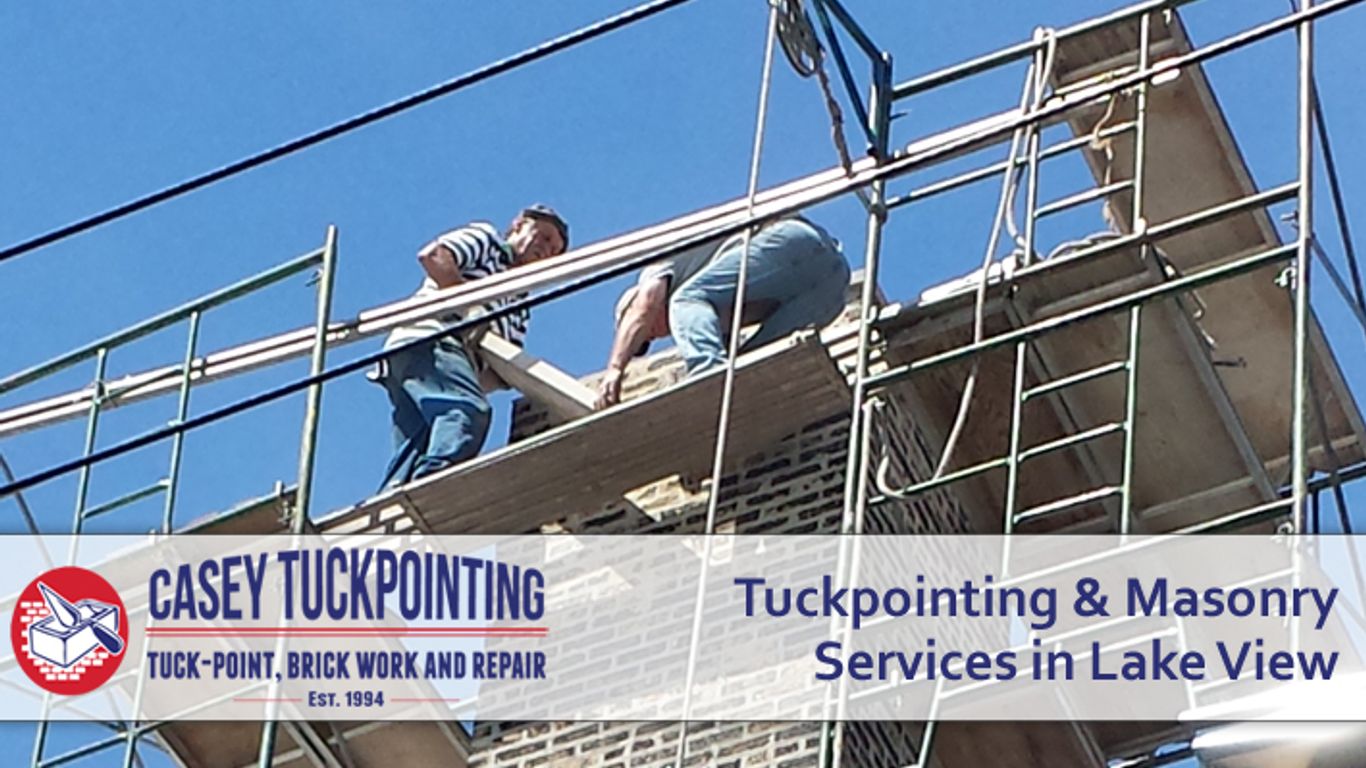
Tuckpointing is more than just a quick fix for your brickwork—done right, it’s a real investment that can boost your home’s value and save you money on future repairs. Here’s exactly why this restoration matters to Chicago property owners looking to keep their buildings in top shape.
Improved Appearance And Property Value
A fresh tuckpointing job can totally change the way your building looks. Properly restored mortar joints give your property a crisp, well-kept appearance, making it stand out on any block. Here’s how this impacts you:
- Clean, uniform mortar lines create a polished, attractive exterior
- Well-maintained masonry turns heads and leaves a positive first impression
- Real estate agents and appraisers often factor recent tuckpointing into home value—buyers see it as proof you’ve taken care of the place
| Impact of Tuckpointing on Value | Effect |
|---|---|
| Curb appeal | Noticeably improved |
| Buyer confidence | Significantly higher |
| Appraised value | Can increase |
Waterproofing And Long-Term Protection
Chicago’s wild weather—rain, wind, freeze-thaw cycles—puts stress on masonry. If the mortar is falling apart, water can seep inside and wreak havoc. Tuckpointing fixes those gaps, so:
- Moisture can’t penetrate and break down the wall from the inside
- You’re less likely to deal with mold, spalling bricks, or stained interiors
- The structure is protected for years
So, it’s like an umbrella for your house, but permanent.
A solid tuckpointed wall keeps the outdoor elements outside, where they belong—saving you hassle and expensive repairs down the line.
Enhanced Energy Efficiency
Bad mortar means air leaks, and nobody likes drafty rooms in a Chicago winter. Tuckpointing helps with that:
- By sealing joints, you reduce air leaks and cut down on drafts
- Better insulation means you spend less on heating and cooling
- Your living space stays more comfortable, no matter the weather
Rain, snow, heatwaves—your building will hold up and stay energy-efficient if the tuckpointing is done right. Plus, with the average tuckpointing investment in the city ranging between $9 and $25 per square foot, regular maintenance helps avoid even costlier repairs later (typical costs).
Quick List: What You Get With Tuckpointing
- Boosted property value
- Prevents water and weather damage
- Saves energy and money on bills
- Keeps your place looking sharp
If your brickwork is starting to show its age, it’s worth considering this repair. The benefits aren’t just cosmetic—they protect your investment for the long haul.
Keeping your property’s brickwork in good shape is super important. When the mortar between bricks starts to crumble or break, it’s called tuckpointing. This isn’t just about looks; it helps stop bigger problems like water damage and keeps your building strong. Think of it like getting a dental filling for your house! It’s a fix that makes a big difference.
Conclusion
Tuckpointing in Chicago isn’t just about making your brickwork look nice—it’s about keeping your home or building safe and protected for years to come. If you spot cracks or crumbling mortar, don’t wait too long to get it checked out. Finding the right tuckpointing contractor can make all the difference. They’ll know how to handle Chicago’s tough weather and match your existing brickwork. In the end, a little care now means you’ll avoid bigger repairs later and keep your property looking sharp.
Frequently Asked Questions
What is tuckpointing?
Tuckpointing is when workers remove old, crumbling mortar from between bricks and put in new mortar. This helps keep the wall strong and looking good.
How do I know if my house needs tuckpointing?
If you see cracks, gaps, or powdery bits falling from the joints between your bricks, it’s probably time for tuckpointing.
Can I do tuckpointing myself?
It’s possible, but it’s tricky. Most people hire a pro because matching the mortar and doing the job right takes practice.
How long does tuckpointing last in Chicago?
Good tuckpointing can last 20 to 30 years, but Chicago’s weather might mean you need to check it more often.
Does tuckpointing make my house look better?
Yes! New mortar makes brickwork look neat and clean, which can make your whole house look nicer.
Why is tuckpointing important in Chicago?
Chicago gets a lot of rain, snow, and freezing weather. Tuckpointing helps stop water from getting in and causing bigger problems.