
Crumbling Mortar? Expert Mortar Repair in Chicago That Lasts
In Chicago, freeze-thaw cycles crack and loosen mortar every single winter. This page covers mortar repair — what it is, when you need it, and what to expect from start to finish. Whether you have a brick home, a chimney, or a commercial wall, Chicago’s licensed masonry contractors can fix it fast. Contact us today for a free estimate.
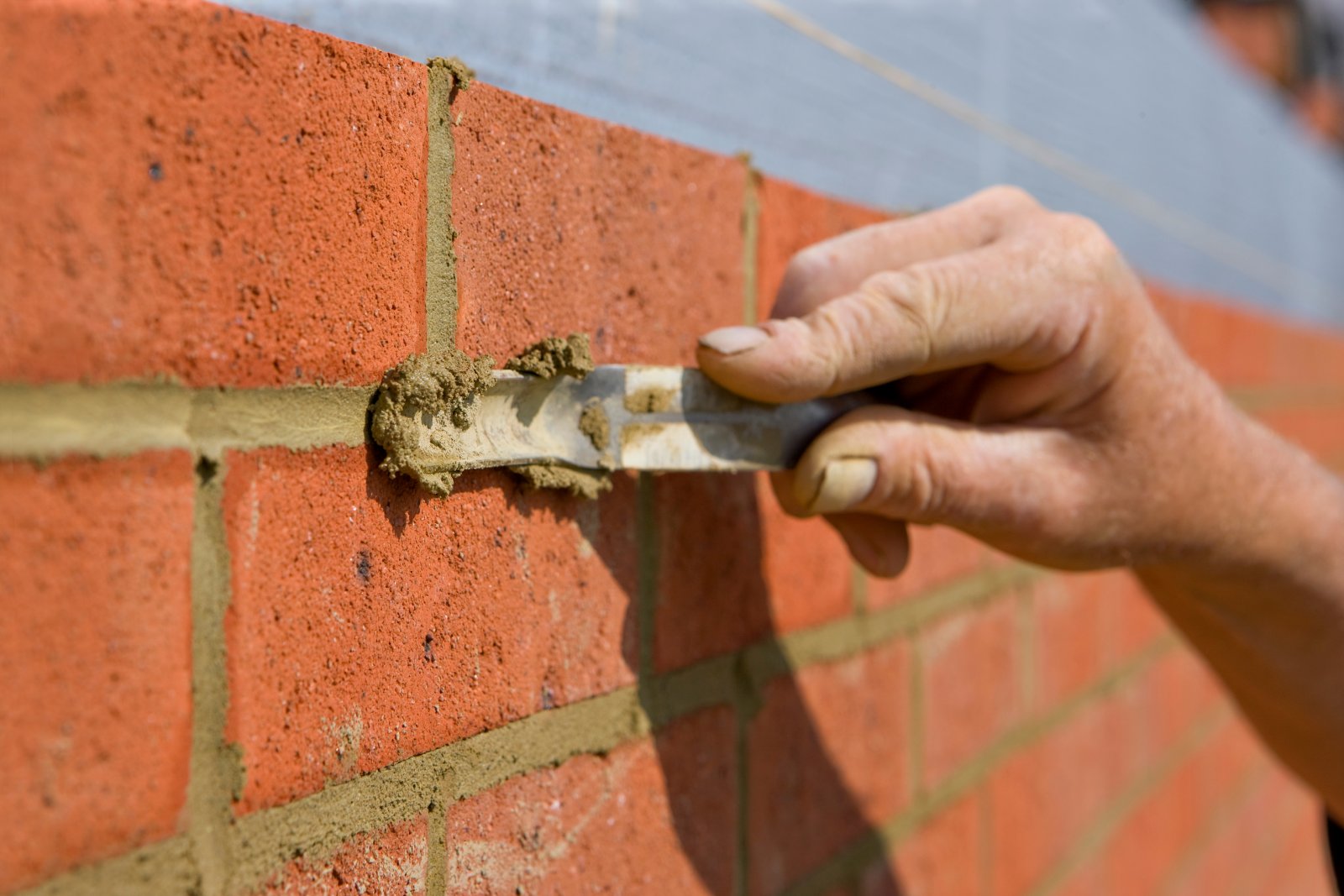
Cracked or Missing Mortar Is a Real Structural Problem — Not Just Cosmetic
If you own a brick building in Chicago, crumbling mortar is not something to ignore. Those small gaps between your bricks let water in. Water freezes. Bricks crack. What starts as a minor repair becomes a major one fast.
Chicago’s older housing stock — most of it built before 1960 — uses a softer lime mortar. That mortar was never designed to last forever. Over time, it breaks down. You’ll see white staining on the brick face, gaps at the joints, or loose bricks that shift when you press them. Each of those signs means water is already finding its way in.
The good news: if your bricks are still solid, you don’t need to replace them. Mortar repair stops the damage before it spreads.
Mortar Repair in Chicago Is a Smart, Long-Lasting Fix for Most Brick Buildings
A lot of property owners wonder if mortar repair is really worth the investment. The short answer is yes — by a wide margin.
Professionally repaired mortar joints seal out moisture and restore the structural integrity of your wall. Done right, a mortar repair job lasts 20 to 30 years. Compare that to the cost of replacing damaged bricks, patching interior water damage, or dealing with a city code violation — and the math is easy.
In neighborhoods like Wicker Park and Bucktown, owners of vintage greystones rely on mortar repair regularly to protect their property values. A well-maintained brick exterior raises curb appeal and holds up through decades of Chicago winters.
Mortar and Mortar Repair Are Two Different Things — Here’s What That Means for Your Wall
If you searched “what’s the difference between mortar and mortar repair,” you’re not alone. It’s a fair question — and the answer matters before you hire anyone.
Mortar is the material. It’s the bonding compound packed between your bricks when a building is first constructed.
Mortar repair — also called tuckpointing — is the process. A mason grinds out the old, cracked mortar from the joints, matches the color and composition of the original material, then packs fresh mortar in by hand. The result looks clean, bonds tight, and seals the joint against water.
In Chicago, matching the original mortar color is especially important for historic and landmark buildings. A licensed mason knows how to read the existing material and mix a close match — not just slap gray cement over everything and call it done.
Chicago’s Weather Makes Mortar Repair Timing Matter — Here’s When to Schedule
Mortar doesn’t cure well in extreme cold. Below 40°F, the material won’t bond properly, and a bad cure means a short-lived repair. That’s why timing your mortar repair in Chicago makes a real difference in how long it lasts.
Spring and fall are the best windows. Temperatures are mild, humidity is manageable, and the mortar has time to cure fully before the next freeze-thaw season hits.
Here’s the catch: spring is the busiest season for masonry contractors across Chicago. After every hard winter, the repair backlog fills up fast. If you’re planning work for April or May, reach out in February or March to get on the schedule.
The Mortar Repair Process: What a Licensed Mason Does on Your Logan Square Building
Wondering what actually happens on the day of the job? Here’s what to expect when a professional crew shows up at your Logan Square or North Side property.
Step 1 — Assessment. The mason walks the exterior and marks all joints that need work. This is where they identify loose mortar, water infiltration points, and any bricks that may need replacement.
Step 2 — Grinding. Old mortar is cut out with an angle grinder or oscillating tool, typically to a depth of ¾ inch. This gives the new mortar a solid surface to bond to.
Step 3 — Matching. The mason mixes mortar to match your existing joints in color and hardness. This step is what separates a professional repair from a patch job.
Step 4 — Packing. Fresh mortar is hand-packed into the joints in layers, shaped to match the original joint profile.
Step 5 — Cleanup. Debris is cleared, the wall is brushed down, and the repair is left to cure.
For multi-story buildings in Chicago, the city may require a scaffolding permit before work begins. A licensed contractor handles that paperwork — you don’t have to chase it down yourself.
After Mortar Repair, Your Chicago Brick Stays Protected for Decades
A professional mortar repair job isn’t just a fix — it’s a reset. Your brick wall goes back to doing what it was built to do: keep weather out and structure in.
For extra long-term protection, many Chicago property owners in Pilsen and along the South Side pair mortar repair with a breathable waterproofing sealer. The sealer goes on after the mortar has fully cured. It forms an invisible barrier that repels rain and snow without trapping moisture inside the wall — a key detail in a climate like Chicago’s.
With proper mortar repair and optional sealing, your brick exterior can go another 25 to 30 years before it needs attention again.
Frequently Asked Questions About Mortar Repair in Chicago
Is mortar repair worth doing on an older Chicago brick home? Yes. Stopping water infiltration now prevents brick replacement later. For most older Chicago homes, mortar repair is one of the highest-return exterior investments you can make.
How long does mortar repair last in Chicago’s climate? When done by a licensed mason using properly matched material, a mortar repair job typically lasts 20 to 30 years — even through Chicago’s hard freeze-thaw cycles.
What’s the difference between tuckpointing and mortar repair? They’re the same job with different names. Both involve removing old mortar from brick joints and packing in fresh material to restore strength and weatherproofing.
Will new mortar harden like concrete? It cures firm, but it’s designed to stay slightly flexible. That flexibility is intentional — it allows the wall to expand and contract through Chicago winters without cracking the new joints.
How do I know if I need mortar repair or full brick replacement? If your bricks are intact and just the joints are failing, mortar repair is usually all you need. A licensed mason can assess this for free during an on-site estimate.
Can I get mortar repair done before selling my Chicago home? Absolutely. It’s one of the best pre-sale exterior fixes you can make — it improves inspection results, tightens up the building envelope, and boosts curb appeal before buyers walk up.
Give us a call today at (847) 962-6309 for a free estimate. We will come out to you and discuss the job that is needed to be done in order to restore and improve your homes appearance.