
So, you’re thinking about building something with bricks, or maybe you’ve got an old brick wall that needs some love. It’s more than just stacking bricks, you know? A good brick mason knows their stuff, from picking the right materials to making sure everything looks good and lasts a long time. It’s a trade that takes practice, and honestly, some real skill. Whether you’re building new or fixing up, understanding what goes into good masonry work is pretty important. Let’s break down what makes a brick mason successful.
Key Takeaways
- A skilled brick mason needs to know about different materials like brick, stone, and concrete, and how to care for them.
- Mixing mortar just right and laying bricks straight are big skills for any brick mason.
- Fixing old mortar (tuckpointing) and making sure new bricks match old ones takes a careful eye.
- Knowing when a job is too big for DIY and calling a professional brick mason is smart.
- Safety first is key, especially with noisy tools and dusty work, and knowing how to work efficiently matters.
Understanding Masonry Materials
The Big Three: Brick, Stone, and Concrete
When you’re looking at any structure built with masonry, it’s usually made up of one or a combination of three main materials: brick, stone, and concrete. Each one has its own look, feel, and how it holds up over time. Knowing the basics about these materials is pretty important before you even think about laying a single brick or mixing some mortar.
- Brick: This is probably what most people picture when they hear "masonry." Bricks are typically made from clay, fired in a kiln, and come in a huge variety of colors, sizes, and textures. They’re popular because they look good, last a long time, and can be used for everything from fancy houses to sturdy garden walls. Different types of bricks have different strengths and weaknesses, though. Some are super dense and can handle a lot of weather, while others might be more porous and need a bit more protection.
- Stone: Natural stone is the original building material, and it brings a sense of permanence and natural beauty to any project. Think granite, limestone, sandstone, or slate. Each type of stone has its own unique characteristics. Granite is incredibly hard and durable, great for foundations or high-traffic areas. Limestone is softer and easier to carve, often used for decorative elements. Stone can be expensive and requires specific techniques to work with, but the result is often stunning and lasts for centuries.
- Concrete: This is the modern workhorse of masonry. It’s a mix of cement, aggregate (like sand and gravel), and water. Concrete is super versatile; you can pour it into almost any shape. It’s strong, relatively inexpensive, and used for foundations, walls, sidewalks, and more. The way concrete is mixed and cured makes a big difference in its final strength and appearance. You’ll see it in everything from rough, industrial-looking walls to smooth, polished surfaces.
Brick Properties and Maintenance
Bricks are tough, but they aren’t invincible. They can absorb water, which can lead to problems, especially in freezing temperatures. Freeze-thaw cycles are a big enemy of brickwork. When water gets into the pores of a brick and then freezes, it expands, putting pressure on the brick and potentially causing it to crack or spall (chip away). Also, some bricks are softer than others and can wear down more quickly from wind and rain. Regular cleaning and checking for cracks or crumbling mortar are key to keeping brickwork in good shape.
Stone Characteristics and Care
Stone is generally very durable, but different types need different care. For instance, porous stones like sandstone might need sealing to prevent water absorption and staining. Granite is very resistant to weathering but can be heavy and difficult to cut. Limestone can be susceptible to acid rain, which can etch its surface. It’s important to know what kind of stone you’re working with to make sure you’re using the right cleaning methods and sealants. Using harsh chemicals on the wrong type of stone can do more harm than good.
Concrete Versatility and Considerations
Concrete’s biggest advantage is its adaptability. You can use it for structural elements or decorative finishes. However, concrete can crack over time due to settling, stress, or improper curing. It’s also prone to staining. When working with concrete, the mix ratio is critical for strength. Using the wrong type of aggregate or not allowing it to cure properly can lead to a weaker, less durable product. For repairs, matching the color and texture of existing concrete can be tricky, and sometimes specialized admixtures are needed to get the right performance.
Essential Brick Masonry Skills
Being a brick mason isn’t just about stacking bricks; it’s a craft that requires a specific set of abilities. You’ve got to have a good feel for the materials and know how to put them together so they last. It’s a mix of old-school know-how and a steady hand.
Mastering Mortar Mixing and Application
Mortar is the glue that holds everything together, and getting it right is half the battle. It’s not just about dumping stuff in a bucket and stirring. You need to know the right ratios of cement, lime, and sand, and how much water to add. Too wet, and it’ll slide everywhere; too dry, and it won’t stick. The consistency needs to be just right – like peanut butter, some say. Applying it evenly is also key. You want a good, solid bed for each brick, with enough to fill the joints properly without oozing out too much. This is where proper mortar mixing and application really comes into play for a strong wall.
Precise Brick Laying and Alignment
Once you’ve got your mortar ready, laying the bricks is next. This is where accuracy matters. You’re not just placing bricks; you’re building a level and plumb wall. Using a level and string line is standard practice to make sure each brick is straight and in line with the others. You also need to pay attention to the bond pattern – how the bricks overlap – to make sure the wall is structurally sound. Even a small mistake here can throw off the whole section, so taking your time and being precise is a must.
Achieving Consistent Joint Finishes
The joints between the bricks are just as important as the bricks themselves. They not only hold the wall together but also affect how it looks. You’ve got different ways to finish a joint, like a concave or V-joint, which helps shed water. The goal is to make them look uniform across the entire wall. This means consistent depth and a clean finish on every single joint. It takes practice to get that smooth, even look that makes a brick wall really stand out.
Color Matching for Seamless Repairs
When you need to fix a small section of an old brick wall, matching the color of the existing mortar is a big deal. If you get it wrong, the repair will stick out like a sore thumb. Masons learn to mix different pigments into the mortar to get as close a match as possible to the original. It’s a bit of an art form, really. You have to consider the age of the brick, the original mortar color, and how the new mortar will look after it cures. Getting this color match right makes repairs look like they were never even there.
The skills of a brick mason are built on a foundation of understanding materials, precision in execution, and an eye for detail. From mixing the perfect mortar to ensuring every brick is perfectly aligned and every joint is finished consistently, these abilities are what separate a good mason from a great one. It’s a hands-on profession where practice and patience lead to lasting results.
Masonry Maintenance and Repair Techniques
Masonry, built to last, still needs a bit of attention now and then. Think of it like a classic car – it looks great and runs well, but regular tune-ups keep it in top shape. Ignoring small issues can lead to bigger, more expensive problems down the road. This section covers how to spot trouble and what to do about it.
Recognizing Signs of Masonry Deterioration
Sometimes, even with good care, masonry can start to show its age. You might see cracks forming in the mortar between bricks or stones. Maybe the mortar itself is crumbling away, or you notice bricks or stones looking loose or damaged. Water stains or efflorescence (a white, powdery deposit) can also be red flags. Catching these signs early is key to preventing minor issues from turning into major structural headaches.
Here are some common things to look out for:
- Cracked or Crumbling Mortar: This is probably the most common sign. Mortar can break down from weather, age, or even improper installation.
- Spalling Bricks: This happens when moisture gets into the brick, freezes, and expands, causing the outer layer of the brick to chip or flake off.
- Loose Bricks or Stones: If individual units feel wobbly or are visibly out of place, it’s a sign the mortar holding them is failing.
- Efflorescence: That white powdery stuff? It’s usually salts from the masonry materials leaching out with moisture. While not always a structural problem, it indicates moisture is present.
- Leaning or Sagging Walls: This is a more serious sign that the underlying structure or the masonry itself is failing and needs immediate attention.
Addressing masonry problems isn’t just about looks; it’s about the safety and longevity of your building. Ignoring these signs can lead to water damage, structural weakness, and costly repairs later on.
The Art of Tuckpointing and Re-Pointing
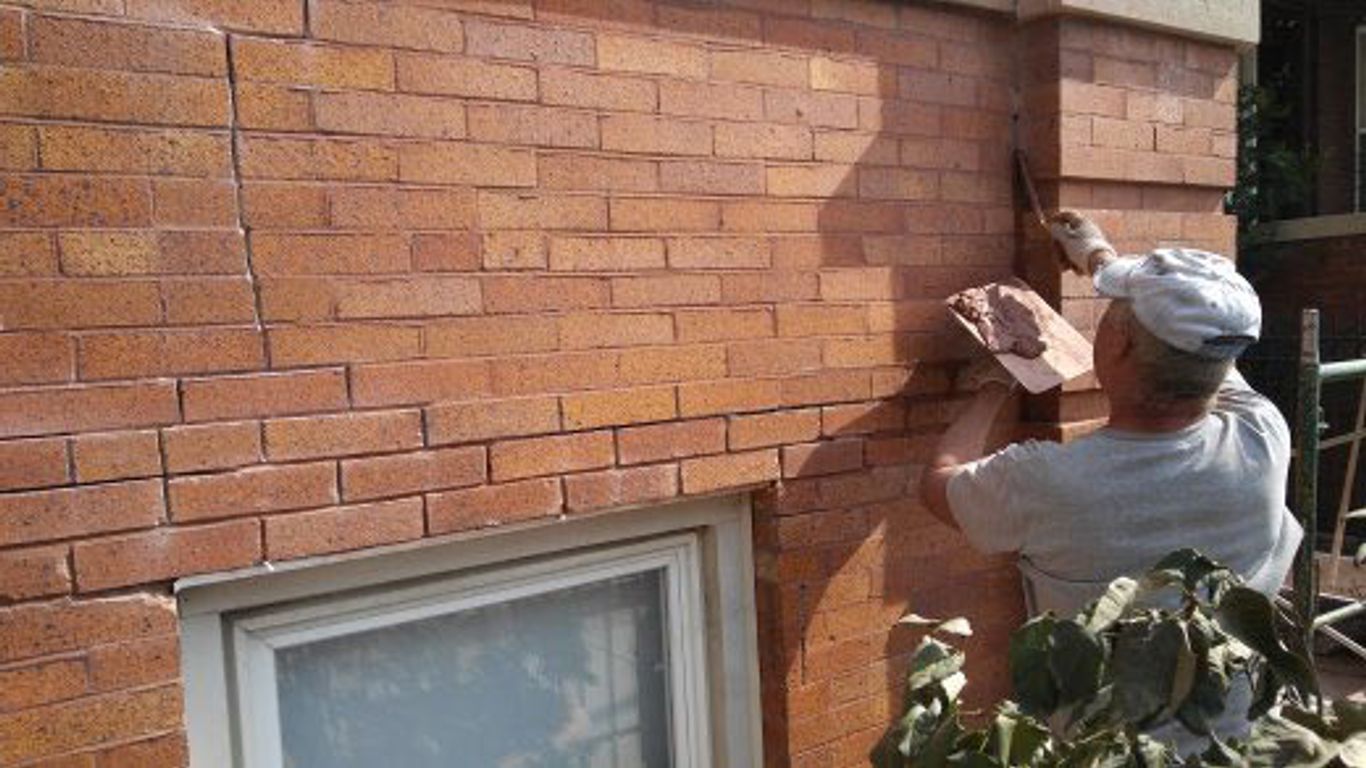
When mortar joints start to fail, tuckpointing (or repointing) is the go-to fix. It’s not just about filling holes; it’s about carefully removing the old, damaged mortar and replacing it with new, properly mixed mortar. This process restores the wall’s integrity and appearance. Professionals take great care to match the color and texture of the original mortar, making the repairs blend in. For serious mortar joint repair, consider expert tuckpointing services.
Brick Replacement Procedures
Sometimes, a brick is just too far gone to save. Cracked, chipped, or badly spalled bricks need to be replaced. The process involves carefully removing the damaged brick, cleaning out the cavity, and then setting a new brick in place with fresh mortar. It sounds simple, but matching the new brick and mortar to the existing ones takes a skilled eye. If a lot of bricks are damaged, especially in a concentrated area, it might be time to think about rebuilding that section of the wall. Replacing a single brick can be a DIY job for some, but for larger areas, it’s best to call in the pros.
Stone Repair and Replacement Methods
Stone masonry has its own set of repair needs. Depending on the type of stone and the damage, repairs can involve cleaning, filling small chips, or even replacing entire stones. For natural stone, this might mean finding a matching piece or using a technique called indenting, where a new piece of stone is carved to fit perfectly into a damaged area. Like brick replacement, stone repair can be tricky, especially when trying to maintain the original look and feel of the structure. Repairing damaged stone often requires specialized knowledge.
Advanced Brick Masonry Practices
Beyond the basics of laying bricks and mixing mortar, there’s a whole other level to brick masonry that really makes structures stand out and last. This is where we get into the nitty-gritty of protecting your work and making it look its absolute best, even years down the line.
Waterproofing and Protective Sealants
Keeping water out is a big deal for any masonry. Water can sneak into tiny cracks, freeze, expand, and really mess things up over time. That’s why using the right waterproofing treatments and sealants is super important. These aren’t just for new builds; they’re key for keeping older structures in good shape too. Think of it like giving your brick walls a raincoat that lets them breathe but keeps the bad stuff out. Different sealants work for different types of brick and stone, so picking the right one is part of the skill. It helps prevent things like spalling, where the surface of the brick flakes off, and keeps the mortar from getting washed out.
Restoring Historical Masonry
Working on old buildings is a whole different ballgame. You’re not just fixing things; you’re preserving history. This means using materials and techniques that match what was used originally. It’s about respecting the craftsmanship of the past. Sometimes, you might need to find old-school bricks or mix mortar that has the exact same color and texture. It takes a lot of research and a careful hand. The goal is to make repairs that you can barely see, so the building looks like itself, just better maintained. It’s a job that requires a lot of patience and a keen eye for detail. You can find some great resources on masonry maintenance that touch on these preservation aspects.
Parapet Wall Construction
Parapet walls are those short walls that sit on the edge of a roof or balcony. They might seem simple, but building them right is important for both looks and function. They add a finished look to a building’s silhouette and can help with drainage or even provide a safety barrier. Getting the angles, the drainage, and the finish just right takes practice. You want them to look solid and be able to handle the weather without cracking or leaking.
Split Face Block Wall Aesthetics
Split face block isn’t your average cinder block. It has a rough, textured surface that gives walls a really unique look. Making these walls look good is all about how you lay them and how you finish the joints. You have to pay attention to the pattern and the texture to make sure it flows well. It’s a way to get a stone-like appearance without using actual stone, and it can add a lot of character to a building. Getting the visual appeal right with split face block is as much about design as it is about construction.
Professional Brick Masonry Services
When to Call a Professional Brick Mason
There are plenty of things you can fix on your own around the house, but brick masonry can quickly get out of hand. If you spot serious cracks, loose bricks, or your mortar is crumbling, it’s time to set the tools down and call a pro. Here are specific scenarios when you need the experts:
- Visible leaning or bowing brick walls
- Extensive mortar loss or disintegrating joints
- Water stains, mold, or white powder (efflorescence) forming on inside or outside walls
- Chimney with missing or cracked bricks
Trying to patch these problems yourself can lead to bigger hassles and safety risks. Pros spot structural issues you might miss and have the right experience to keep your home solid. For anyone in need of trusted help, reaching out to quality and reliable masonry services could save you from costly repairs down the road.
Not every brick needs a professional, but ignoring the warning signs often costs a lot more in the end.
Choosing the Right Masonry Contractor
Hiring someone to work on your brick or stone isn’t just about picking the cheapest name off a Google search. Take the time to check:
- Years of experience in the field
- Proof of licenses and insurance (always a must)
- Reviews and references from previous clients
- Examples of completed work—before and after photos are golden
- Clearly written estimates with step-by-step breakdowns
A good masonry contractor will answer your questions honestly and never pressure you into services you don’t need.
The Importance of Experience and Equipment
Experience is what separates a flawless brick job from a clumsy patch job that won’t last. Skilled masons make sure brick patterns line up, joints look tidy, and repairs blend right in. They also bring specialized tools—things like diamond saws, mortar mixers, and scaffolding—which homeowners rarely have.
Here’s what a seasoned team brings to your project:
| Qualities of Professional Masons | Impact on Your Project |
|---|---|
| Years of hands-on experience | Fewer mistakes, higher safety |
| Advanced equipment | Smoother, faster work |
| Understanding of local climate needs | Materials that last longer |
| Familiar with codes and permits | No legal headaches |
Working with experienced professionals means the project gets done right, on time, and with attention to both looks and structure. For projects big or small, see how a company with decades in the industry can make a difference, such as more than 25 years of masonry expertise.
Benefits of Professional Brick Cleaning
It doesn’t matter how nice your brickwork was originally—if it’s covered in dirt, grime, or mold, your house just looks tired. Pros do more than just make bricks look brighter—they help your masonry last longer by stopping damage before it starts.
- Specialized cleaning removes stains without harming mortar
- Safe methods prevent water intrusion and future erosion
- Technicians inspect for cracks or loose bricks while cleaning
Professional cleaning can actually push maintenance farther into the future—it’s not just about looks. Plus, it can give your whole home a quick refresh, boosting curb appeal and even property value.
Regular expert cleaning and care help brickwork hold up against weather, pollution, and the passing years—keeping your investment strong for the long haul.
Safety and Efficiency in Brick Masonry
Working with bricks and mortar can be tough, and doing it safely and smartly makes all the difference. It’s not just about getting the job done; it’s about getting it done right without any unnecessary risks or wasted effort. Think about it – one wrong move with a heavy brick or a power tool, and you could be looking at a serious injury. That’s why paying attention to safety protocols and finding efficient ways to work is super important for any brick mason.
Handling Noise and Dust from Power Tools
When you’re on a job, especially one involving repairs or modifications, you’ll likely be using power tools. Grinders, saws, and even some mixers can get pretty loud and kick up a lot of dust. This isn’t just annoying; it can actually harm your hearing and lungs if you’re not careful. Always make sure you’ve got good ear protection, like earplugs or earmuffs, and a solid dust mask or respirator. It’s also a good idea to wet down the area a bit before you start cutting or grinding, if possible, to keep some of that dust from flying everywhere. Keeping the work area clean as you go also helps.
Structural Risk Assessment
Before you even pick up a trowel, take a good look at the structure you’re working on. Are there any big cracks? Is anything leaning that shouldn’t be? Sometimes, what looks like a simple repair can actually be a sign of a bigger problem underneath. If you’re dealing with load-bearing walls or anything that looks shaky, it’s best to stop and get a professional opinion. Trying to fix something that’s structurally unsound without knowing what you’re doing can lead to bigger problems, or worse, collapse. It’s better to be safe than sorry, right?
Efficient Brick Repair and Replacement
When it comes to fixing things, speed and quality go hand-in-hand. You don’t want to spend all day on one small patch, but you also don’t want to do a quick fix that falls apart next season. For replacing a single brick, for example, you’ll need to carefully remove the old one, clean out the space, and then set the new brick with fresh mortar. Making sure the new brick lines up with the others and the mortar joints look consistent is key. For larger areas, like tuckpointing, having the right tools and a good system can save a lot of time. It’s all about having a plan before you start.
Time-Tested Techniques and Modern Advancements
Masonry has been around for ages, and a lot of the old ways of doing things still work great. Techniques like tuckpointing, which involves carefully removing old, crumbling mortar and replacing it with new, have been perfected over centuries. But that doesn’t mean we can’t use new stuff to help. Modern materials, like specialized mortars that are more flexible or breathable, can make repairs last longer and protect the brickwork better. Combining the tried-and-true methods with some of the newer products can really give you the best of both worlds. It’s about knowing when to stick with tradition and when to embrace innovation. For instance, using high-quality, breathable mortars can make a big difference in the longevity of your repairs.
Wrapping Up
So, building with bricks isn’t just about stacking them up. It takes a good eye for detail, knowing your materials, and being able to handle different tools. Whether you’re patching up some old mortar or building something brand new, having these skills really makes a difference. It’s a trade that’s been around forever for a reason – it’s solid work that lasts. Keep practicing, keep learning, and you’ll be laying down great work in no time.
Frequently Asked Questions
What are the main materials a brick mason works with?
Brick masons primarily work with three main materials: bricks, stone, and concrete. Bricks are classic building blocks, stone adds a touch of natural beauty and strength, and concrete offers a versatile option for various projects.
What does a brick mason do to fix old walls?
When old walls show wear, masons often use a technique called ‘tuckpointing.’ This involves carefully removing old, crumbly mortar between bricks and replacing it with new mortar. It makes the wall look better and keeps it strong.
Can I fix my own brick wall, or should I hire someone?
For small fixes, like replacing a single loose brick or patching a small crack, you might be able to do it yourself if you have some basic tools and know-how. However, for bigger problems, like large cracks, leaning walls, or when the mortar is crumbling all over, it’s much safer and better to hire a professional brick mason. They have the experience and tools to do the job right and keep your building safe.
What is the most important skill for a brick mason?
One of the most crucial skills is knowing how to mix mortar just right – not too wet, not too dry. Also, being able to lay bricks perfectly straight and making sure the gaps between them (the joints) look neat and even is super important for both how the wall looks and how strong it is.
Why is it important to protect brick walls from water?
Water can be a brick wall’s worst enemy! When water gets into the bricks or mortar and then freezes, it can expand and cause damage, like bricks breaking or peeling (called spalling). Masons use special sealants to help keep water out and protect the wall.
How do masons make new repairs blend in with old bricks?
Making new mortar match old mortar’s color and texture is a real art! Experienced masons know how to mix different colors and use specific techniques to get a seamless look. This is especially important when working on older buildings so the repairs don’t stand out too much.